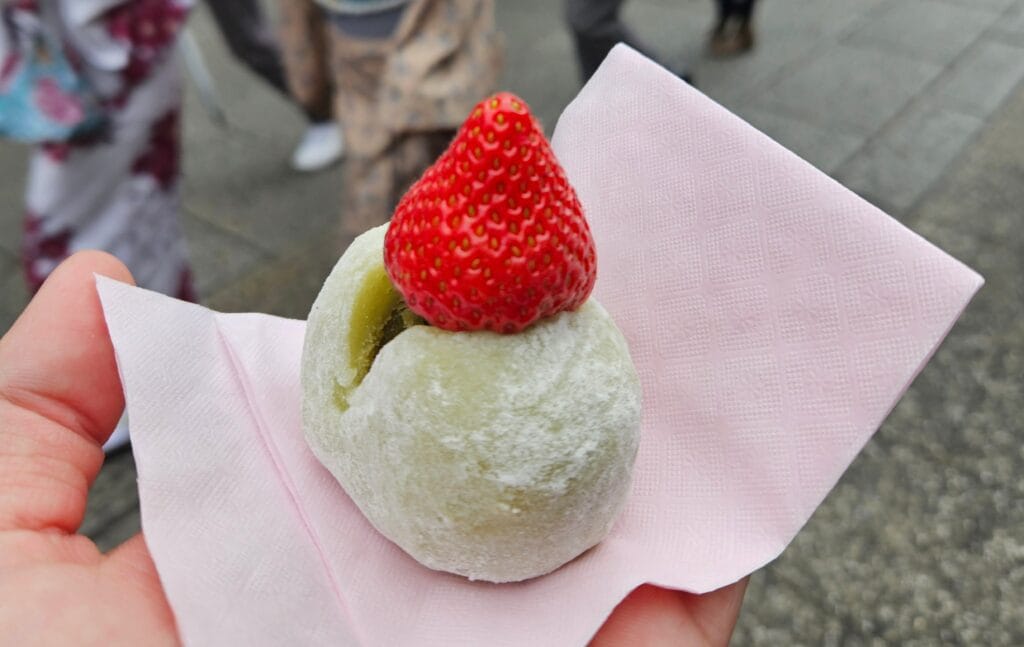
Eating vegetarian in Japan is possible with some planning. Eating fully vegan is harder, because fish stock (dashi), egg and dairy hide in many dishes that look plant based. The good news: big cities like Tokyo, Kyoto and Osaka now have plenty of dedicated vegan and vegetarian restaurants, and traditional Buddhist temple food is fully plant based.
This guide explains the difference between vegetarian and vegan in a Japanese context, which ingredients to watch for, which dishes are usually safe, and how to ask in Japanese. I was vegetarian myself while living in Seoul in 2020, so I know how much hidden fish sauce and stock can matter in East Asia. My guide to eating vegetarian in Seoul covers Korea.
Vegetarian vs vegan: what changes in Japan
In many Western countries, vegetarian and vegan options are clearly labelled. In Japan, the concepts are known but not always understood the same way. Some people think “vegetarian” means “no meat on top”, while the soup underneath is still made with fish or pork.
| Vegetarian | Vegan | |
|---|---|---|
| Meat and fish | No | No |
| Dashi (fish stock) | Depends on how strict you are | No |
| Eggs | Usually yes | No |
| Dairy | Usually yes | No |
| Honey | Yes | Usually no |
| Difficulty in Japan | Moderate | Hard outside dedicated restaurants |
The biggest decision is how strict you want to be about dashi. Many vegetarian travellers accept some fish stock to make eating out easier, while vegans usually stick to dedicated restaurants and self catering. Neither choice is wrong, but knowing your line before you go makes ordering much easier.
Hidden ingredients to watch for
- Dashi: the base of miso soup, noodle broths, many sauces and simmered dishes. Usually made with bonito flakes (katsuobushi) and kelp.
- Bonito flakes: often sprinkled on tofu, okonomiyaki and vegetables.
- Pork or chicken broth: most ramen, even “vegetable” ramen at normal shops.
- Egg: in tempura batter at some places, in many sweets and in mayonnaise.
- Dairy: in bread, pastries and some curry roux.
- Lard and animal fat: in some fried foods, curry and gyoza.
- Gelatin: in jelly sweets and some desserts.
Japanese curry from a box roux, for example, often contains meat extract even if no meat is visible. Ask before you order.
Naturally plant based Japanese food
Japan has a long tradition of plant based cooking, mainly through Buddhist temple cuisine called shojin ryori. It avoids meat, fish and also strong flavours such as garlic and onion. Many temples in Kyoto and some in Tokyo and Mount Koya serve it, often with advance booking.
Ingredients you will meet often:
- Tofu in many forms: silken, firm, fried (aburaage) and yuba (tofu skin)
- Fu: wheat gluten, shaped into cakes, rings or flowers, used in soups and sweets
- Konnyaku: a jelly made from a root vegetable
- Seaweed such as kombu, wakame and nori
- Pickles (tsukemono) and seasonal vegetables
Kombu dashi and shiitake dashi are plant based versions of the classic stock, and good vegan restaurants use them instead of bonito.
Dishes that are often vegetarian friendly
These are often easier choices, but always check the stock and sauce.
- Vegetable sushi: kappa maki (cucumber), natto maki, inari (sweet tofu pouch), pickled radish rolls
- Onigiri: plain salt, umeboshi (pickled plum) or kombu fillings
- Vegetable tempura: ask about the batter and the dipping sauce, which usually contains dashi
- Zaru soba or udon: the noodles are fine, the dipping sauce usually is not vegan
- Edamame, hiyayakko (cold tofu) without bonito flakes, and grilled vegetables
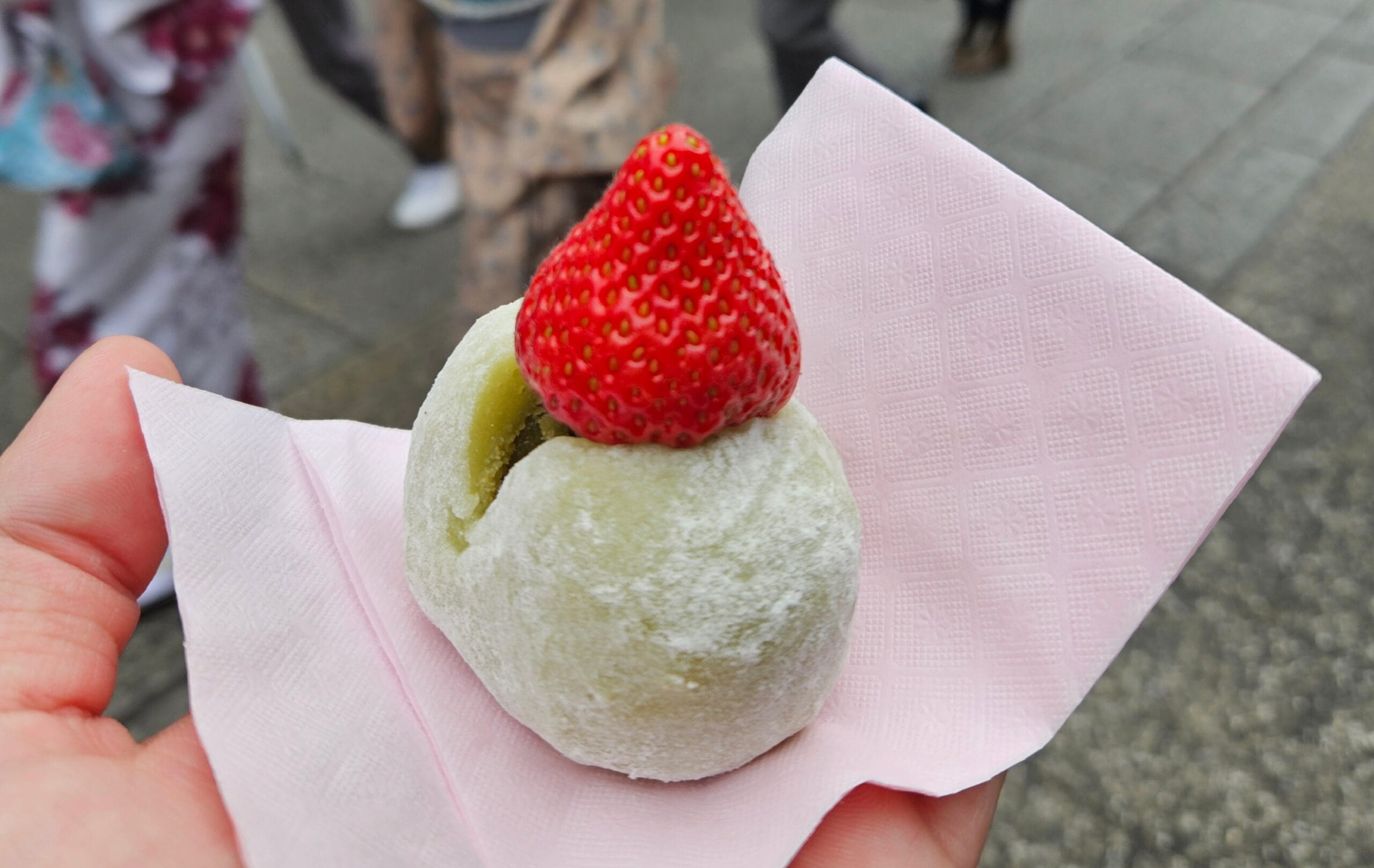
- Sweets: many traditional wagashi such as daifuku and dango are plant based, but check for egg and gelatin
Read my Japanese food guide for an overview of classic dishes and what goes into them.
Convenience stores and supermarkets
Convenience stores are useful but tricky for vegans, because labels are only in Japanese and broths are everywhere. Safer picks are plain onigiri, salted edamame, bananas, nuts, tofu snacks and some bread. Supermarkets have tofu, natto, fresh vegetables and plant milks. A translation app with a camera function helps a lot to read ingredient lists. My Japan convenience store guide explains how the big chains differ.

How to ask in Japanese
Staff are usually happy to help, but a written note works better than a spoken word. In Seoul I used to show written notes to restaurant staff because my Korean was poor, and the same approach works very well in Japan.
- Bejitarian desu: I am vegetarian.
- Biigan desu: I am vegan.
- Niku to sakana ga taberaremasen: I cannot eat meat or fish.
- Dashi wa haitte imasu ka? Does it contain dashi?
- Tamago, gyuunyuu mo dame desu: no egg or milk either.
Write these in Japanese script on a card or save them on your phone. If you want to learn a few more phrases, see my guide to learning Japanese for beginners.
Finding vegan and vegetarian restaurants
Apps like HappyCow and Google Maps searches for “vegan” work well in big cities. Tokyo, Kyoto and Osaka have the most choice, including vegan ramen, vegan sushi and plant based cafes. Some restaurants also display a vegan or vegetarian certification sign at the entrance. In rural areas, options shrink fast, so a ryokan stay needs advance notice. Many ryokan can prepare a vegetarian dinner if you ask well before arrival, but fully vegan is not always possible.
From my own trips: I travelled with vegetarian friends in Tokyo and on a trip to Hokkaido, and eating vegetarian was no problem for them.
Tips for a smooth trip
- Decide your rules early: know whether you accept dashi, egg and dairy before you sit down. It makes ordering faster and less stressful.
- Book ahead: popular vegan restaurants in Tokyo and Kyoto can be small and fill up at dinner time.
- Eat a big lunch: many dedicated restaurants offer good value lunch sets, and you will have more choice during the day.
- Carry snacks: nuts, fruit and plain onigiri help on long travel days or in rural areas.
- Use temple food: a shojin ryori meal is a safe and memorable choice in Kyoto.
- Be patient: staff may not know every ingredient in a sauce. If they are unsure, choose something simpler.
Travelling as a vegetarian also changes how you plan your days. Instead of looking for food when you are already hungry, save a few options near each sight in your map app. It saves a lot of time.
Frequently Asked Questions
Is it hard to be vegetarian in Japan?
It is manageable in big cities, especially if you accept some dashi. In rural areas it takes more planning.
Is it hard to be vegan in Japan?
Yes, outside dedicated vegan restaurants. Fish stock, egg and dairy are common in everyday dishes, so vegans usually rely on specialised restaurants, temple food and self catering.
What is fu in Japan?
Fu is wheat gluten, shaped and dried or fresh, used in soups, simmered dishes and sweets. It is a useful plant protein in Japanese cooking.
Is miso soup vegetarian?
Usually not, because it is made with fish based dashi. Some restaurants use kombu or shiitake dashi instead, so ask.
Is ramen vegetarian in Japan?
Almost never at normal shops, as broths use pork, chicken or fish. Look for dedicated vegan ramen shops.
What is shojin ryori?
Shojin ryori is traditional Buddhist temple cuisine. It is fully plant based and avoids meat, fish and strong flavours like garlic and onion.
Can ryokan serve vegetarian meals?
Many can if you request it well in advance. Fully vegan meals are harder, so confirm in writing before booking.
If you are also visiting Korea, compare it with my Korean food guide. Both countries reward travellers who learn a few key words and plan their meals a little.
Author

Get My Personal Travel Maps


Leave a Reply