Korean food is having its global moment. K-dramas put fried chicken and beer on a pedestal, Korean BBQ has gone mainstream from Los Angeles to London, and grocery shelves everywhere now stock kimchi and gochujang. But eating Korean food in South Korea is a completely different experience from your local Korean restaurant back home. The flavors are sharper, the side dishes are endless and free, the meals are loud and communal, and the sheer range of dishes goes far beyond bibimbap and barbecue.
I’ve spent years eating my way across the country, from the seafood markets of Busan to the food alleys of Jeonju, the night markets of Seoul, and tiny mountain noodle shops most tourists never find. This guide is the one I wish I’d had on my first trip: a deep, honest run-through of the dishes that actually define Korean eating, where they came from, whether they’ll set your mouth on fire, and where to try the best versions. It starts with the most famous, must-try dishes and works toward the adventurous deep cuts at the end.
If you’re planning a trip, pair this with my broader South Korea insider guide and the city-by-city Seoul travel guide so you know which neighborhoods to base yourself in for the best eating.
Is Korean Food Spicy? A Quick Primer Before You Eat
Korean food has a reputation for being brutally spicy, and that reputation is only half true. The heat comes mostly from two ingredients: gochugaru (sun-dried red pepper flakes) and gochujang (a thick, fermented red chili paste that is sweet, savory, and spicy all at once). Plenty of iconic dishes lean on these and will make you sweat, including tteokbokki, kimchi jjigae, buldak, and spicy cold noodles.
But just as many beloved Korean dishes have almost no heat at all. Korean BBQ, japchae, samgyetang, gimbap, steamed egg, and most soups are savory rather than spicy. Korea also has a whole genre of fermented flavor (kimchi, doenjang soybean paste, fish sauce, jeotgal salted seafood) and a strong sweet-savory tradition (galbi, bulgogi, hotteok). The cuisine is built on balance, not just chili.
A useful rule: anything described as jjigae (stew) with kimchi or gochujang will have a kick; anything gui (grilled), guk or tang (clear soup), or jjim (steamed) is usually gentle. I’ll flag the spice level for every dish below.
Korean BBQ: Samgyeopsal, Galbi & Bulgogi
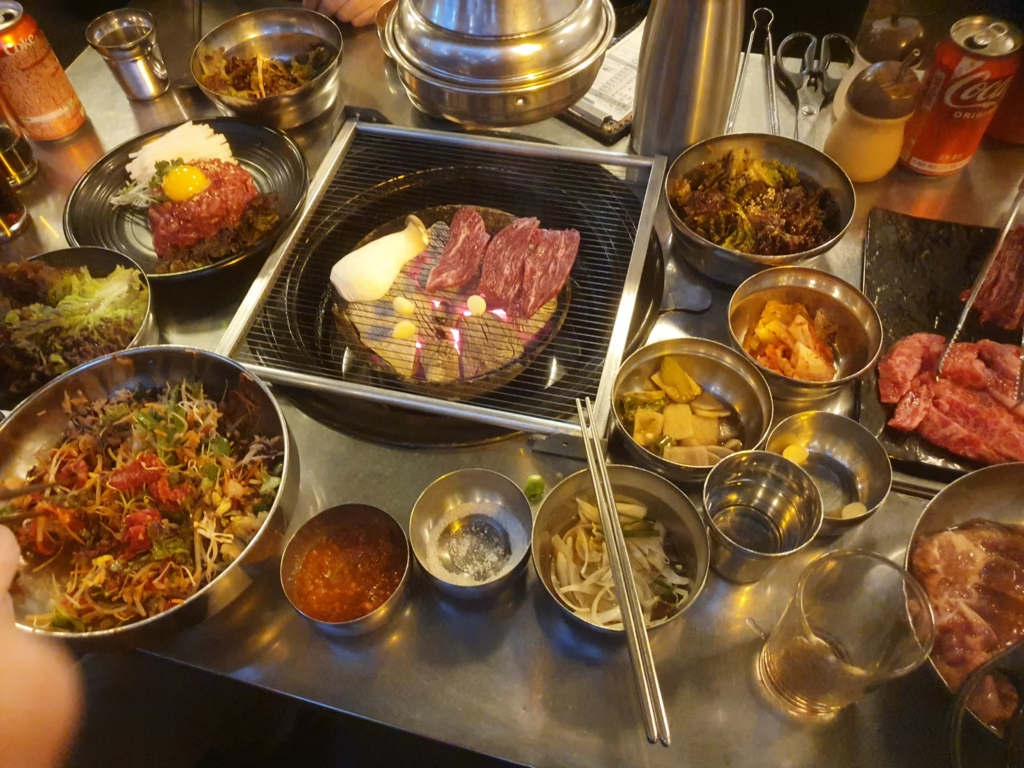
Korean BBQ is the social heart of Korean dining and probably the country’s most famous culinary export: a tabletop grill, raw meat, and a crowd. The big three are samgyeopsal (thick, unseasoned pork belly), galbi (marinated beef or pork short ribs, sweet and savory), and bulgogi (thin slices of beef marinated in soy, pear, garlic, and sesame). You grill it yourself, then wrap each bite in lettuce or perilla with garlic, ssamjang (a savory dipping paste), and rice, a wrap called ssam.
Origin: Grilled-meat traditions in Korea go back centuries. Bulgogi descends from ancient skewered-meat dishes, while modern tabletop grilling became the social ritual it is today.
Spicy? Mostly not. Pork belly, bulgogi, and galbi are savory or sweet-savory. Heat comes only from the side dishes and ssamjang you add yourself.
It’s the meal that anchors most nights out, and a big reason expats fall for the food, as I cover in Living in Japan vs Korea.
Kimchi: The Soul of Korean Food

No Korean food guide is complete without kimchi, the fermented vegetable dish served at virtually every meal. The classic is baechu-kimchi, made from napa cabbage salted, then coated in a paste of gochugaru, garlic, ginger, scallions, fish sauce, and salted shrimp, and left to ferment. But there are hundreds of varieties: kkakdugi (cubed radish), oi-sobagi (stuffed cucumber), dongchimi (a watery radish kimchi), and the non-spicy white baek-kimchi.
Origin: Kimchi is ancient, and the communal late-autumn tradition of making it in bulk for winter, called kimjang, is recognized by UNESCO as Intangible Cultural Heritage. It is, more than any single dish, the foundation of the Korean table.
Spicy? Most kimchi is spicy from gochugaru, though heat varies. White baek-kimchi and dongchimi are mild to not spicy at all.
Bibimbap: The Iconic Mixed Rice Bowl

Bibimbap literally means “mixed rice.” A bowl of warm rice is topped with an array of seasoned vegetables (namul), a fried or raw egg, sometimes sautéed beef, and a spoonful of gochujang. You mix everything together vigorously before eating. The dolsot (hot stone bowl) version sizzles the rice into a crispy crust at the bottom.
Origin: The undisputed home of bibimbap is Jeonju, a UNESCO City of Gastronomy where the dish reaches its most refined form, with dozens of toppings and rich beef-stock rice. There’s also a luxe raw-beef version, yukhoe bibimbap.
Spicy? Mildly spicy, and adjustable. The heat comes entirely from how much gochujang you stir in. Add a little for warmth, a lot for a kick.
For the full story of where this dish lives and breathes, read my Jeonju travel guide, which calls Jeonju the soul of Korean food for good reason.
Chimaek: Korean Fried Chicken and Beer

Chimaek is a portmanteau of chicken and maekju (beer), and it’s less a dish than a national ritual. Korean fried chicken is double-fried for an ultra-thin, glassy, shatter-crisp coating that stays crunchy even under sauce. The two essential styles are yangnyeom (a sticky sweet-and-spicy gochujang glaze) and ganjang (a garlicky soy-glaze). You eat it with pickled radish cubes and ice-cold beer, ideally with friends, late at night.
Origin: Fried chicken arrived via American influence after the Korean War, but Koreans reinvented it entirely with the double-fry technique and bold sauces. The chimaek craze exploded internationally after the K-drama My Love from the Star made the chicken-and-beer combo a cultural icon.
Spicy? Yangnyeom and buldak-style chicken are spicy; soy-garlic and original fried are not. Most shops let you go half-and-half.
This is peak nightlife eating, exactly the kind of thing you’ll stumble into across the Naked Tiger and Gangnam bar scene in Seoul.
Tteokbokki: Spicy Rice Cakes, the King of Street Food

Tteokbokki is the flavor of Korean street food: chewy cylindrical rice cakes (garaetteok) simmered in a thick, glossy, fiercely red gochujang sauce, usually with fish cakes and boiled eggs. It’s sweet, spicy, and addictively chewy.
Origin: There’s a fascinating history here. The original royal-court tteokbokki (gungjung tteokbokki) was a savory, soy-based dish with no chili at all. The fiery modern version we know today was popularized in the 1950s in Seoul’s Sindang-dong neighborhood. Legend credits a vendor named Ma Bok-rim with the gochujang recipe that took over the country.
Spicy? Yes, this is one of the spicier everyday dishes. Cheese-topped and rosé versions tame the heat.
Kimchi Jjigae: The Stew That Defines Home Cooking
If there’s one dish that tastes like a Korean home, it’s kimchi jjigae. This bubbling red stew is made from well-aged, sour kimchi simmered with pork (or tuna), tofu, onion, and scallions. The fermentation does the heavy lifting. Old kimchi gives the broth a deep, tangy, almost wine-like sourness that fresh kimchi can’t.
Origin: A frugal, everyday dish born from the practical need to use up kimchi that had fermented past the point of eating raw. It’s comfort food in its purest form.
Spicy? Yes, moderately to quite spicy, depending on the kimchi and how much gochugaru is added.
Japchae: Sweet-Savory Glass Noodles
Japchae is the dish that appears at every Korean celebration: translucent sweet-potato glass noodles (dangmyeon) stir-fried with thin strips of beef, spinach, carrots, onions, and mushrooms, all glossed in sesame oil and soy sauce. It’s slightly sweet, savory, springy, and beloved by absolutely everyone.
Origin: Japchae dates to the 17th-century royal court, where it was originally a vegetable dish without noodles. The glass noodles were added later and became the star. It remains a festive, party-table essential.
Spicy? Not spicy at all. It’s the friendly, crowd-pleasing dish you give to anyone nervous about Korean heat.
Gimbap (Kimbap): Korea’s Perfect Portable Meal

Gimbap is cooked rice and fillings rolled in gim (dried seaweed), then sliced into rounds. Common fillings include seasoned spinach, pickled radish (danmuji), carrot, egg, and bulgogi or tuna. It’s the ultimate picnic, hiking, and lunchbox food, sold everywhere from convenience stores to dedicated gimbap chains.
Origin: Often compared to Japanese norimaki, and the seaweed-and-rice format likely traces influence to the colonial era, but Korean gimbap evolved into its own thing. The key difference: Korean rice is seasoned with sesame oil and salt, not the rice vinegar used in sushi, giving it a nuttier, savory profile.
Spicy? Standard gimbap is not spicy at all. Spicy variants exist, like kimchi gimbap or tuna-with-gochujang, but you choose your heat.
It’s the kind of cheap, reliable food that makes a city like Sinchon, Seoul’s student district so easy to eat your way through.
Ramyeon: Korea’s Instant Noodle Obsession

Ramyeon (Korean instant ramen) deserves its own entry because in Korea it’s practically a food group. Spicy, springy instant noodles in a punchy broth, with Shin Ramyun being the global icon, are a midnight snack, a hangover cure, a camping meal, and a convenience-store ritual eaten straight from a self-heating machine. Koreans dress theirs up with egg, cheese, scallions, and kimchi.
Origin: Instant ramen came to Korea from Japan in the 1960s, but Korea made it spicier, bolder, and entirely its own, and it’s now a massive cultural export.
Spicy? Yes, most popular Korean ramyeon is genuinely spicy. Milder and creamy carbonara-style versions exist for the heat-averse.
Mandu: Korean Dumplings
Mandu are Korean dumplings, served steamed (jjin-mandu), pan-fried (gun-mandu), or boiled in soup (mandu-guk). Fillings range from pork and tofu to kimchi and glass noodles. The big steamed wang-mandu are a street-food staple, while bite-sized mandu fill out soups.
Origin: Dumplings traveled to Korea along old trade routes from Central Asia and China, but Korean mandu developed its own fillings and forms. Mandu-guk (dumpling soup) is a traditional Lunar New Year dish.
Spicy? Kimchi mandu has a mild kick; meat-and-tofu mandu is savory and not spicy.
Bingsu: Korea’s Beloved Shaved Ice Dessert
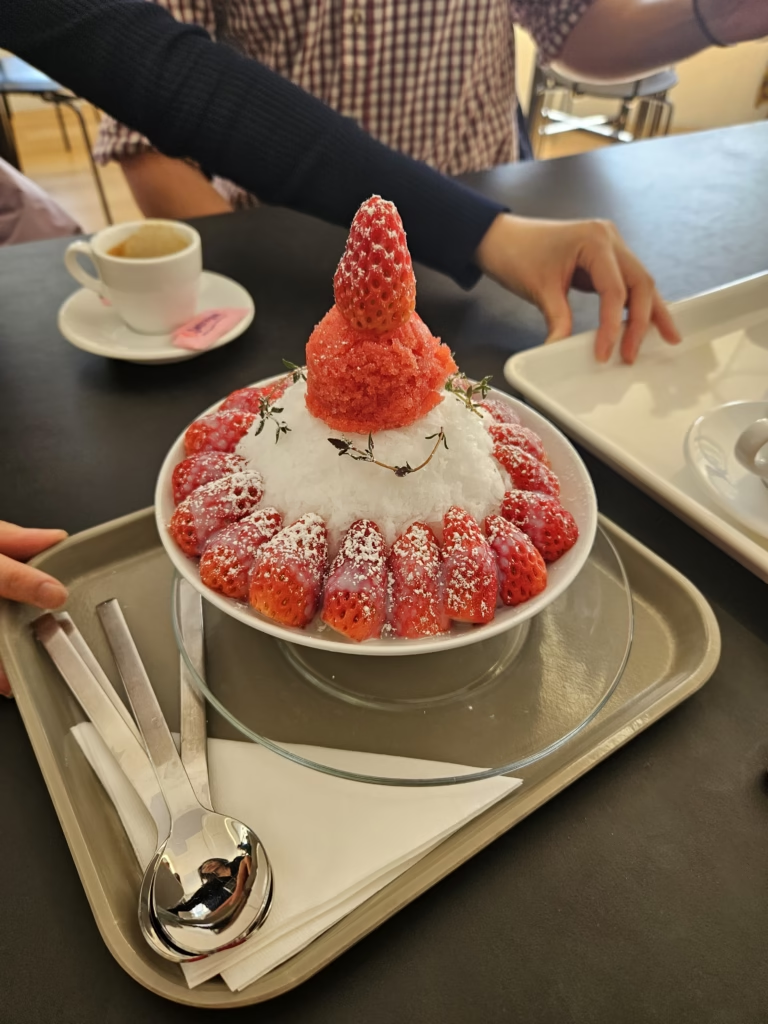
Bingsu is the dessert that gets Korea through its brutal summers: a mountain of finely shaved ice (now usually shaved frozen milk, for a snowier texture) piled with toppings. The classic is patbingsu, crowned with sweet red beans, but modern cafés serve endless versions: mango, strawberry, injeolmi (toasted rice cake powder), matcha, and more.
Origin: Shaved-ice desserts have a long history in Korea, evolving from simple ice-and-red-bean treats into the elaborate, Instagram-friendly mountains served in cafés today.
Spicy? No, it’s sweet, creamy, and refreshingly cold.
I went deep on this one in a dedicated piece: What is Bingsu? The Ultimate Guide to Korean Shaved Ice. And if you love a good Korean café trend, also see the viral Icetino coffee drink from Ewha University.
Samgyetang: Ginseng Chicken Soup

Samgyetang is one of Korea’s most prized restorative dishes: a whole young chicken stuffed with glutinous rice, then simmered for hours with ginseng, garlic, jujube dates, and ginkgo nuts until the broth turns milky and the meat falls off the bone. You break it open, season the broth with salt and pepper at the table, and eat the rice from inside the bird.
Origin: A traditional summer health food. Koreans eat it on the three hottest days of the year (Sambok), following the principle of iyeolchiyeol, meaning “fight heat with heat,” believing the hot, nourishing soup replenishes energy lost to summer sweating.
Spicy? Not at all. It’s clean, savory, herbal, and deeply comforting.
Pajeon & Kimchijeon: Korean Savory Pancakes
Jeon is the broad family of Korean savory pancakes, and two stars lead it. Haemul-pajeon is a scallion pancake loaded with squid, shrimp, and other seafood, crispy at the edges and tender inside. Kimchijeon is a tangy, spicy pancake made with chopped aged kimchi. Both are pan-fried in a thin egg-and-flour batter and torn apart to share.
Origin: Folk and home cooking, deeply tied to Korean drinking culture. There’s a famous tradition of eating pajeon with makgeolli (milky rice wine) on rainy days, because the sizzle of the pancake is said to echo the sound of rain.
Spicy? Seafood pajeon is mild and savory; kimchijeon has a gentle, tangy heat.
Hotteok: Sweet Stuffed Street Pancake
Hotteok is winter on a plate: a yeasted dough pancake pressed flat and griddled until the inside melts into a molten filling of brown sugar, cinnamon, and crushed nuts. You eat it scalding hot from a paper cup as steam rises off the street cart. Busan is famous for ssiat hotteok, stuffed with a generous mix of seeds.
Origin: Hotteok arrived through Chinese merchant influence and was reinvented as a sweet Korean street snack, now inseparable from cold-weather markets.
Spicy? No, it’s sweet, gooey, and warming. The only “danger” is burning your tongue on the sugar.
Sundae: Korean Blood Sausage

Don’t confuse this with the ice cream. Sundae is a Korean blood sausage: pig intestine stuffed with a mix of pig’s blood, glutinous rice, and cellophane (sweet potato) noodles, then steamed and sliced. It’s chewy, savory, and earthy, usually sold alongside tteokbokki at street stalls and eaten with a dip of salt or spicy seasoning.
Origin: A resourceful, nothing-wasted street food and market staple with regional variations across the country.
Spicy? The sausage itself is not spicy. It’s mild and savory. The dipping salt or the tteokbokki it’s served with adds any heat.
Gukbap: Soup-and-Rice, Busan’s Soul Food
Gukbap simply means “soup with rice,” and it’s the ultimate quick, hearty, working-person’s meal, with rice either served in or alongside a rich soup. The most famous version is dwaeji-gukbap, a milky pork-bone soup that is practically the official dish of Busan. Other versions use sundae (blood sausage) or beef.
Origin: A practical, fast meal with deep roots in markets and working districts. Busan’s pork gukbap culture is legendary and tied to the city’s history.
Spicy? The base soup is mild and savory. You customize the heat with the provided chili paste, salted shrimp, and chives at the table.
Eomuk / Odeng: Street Fish Cakes on a Skewer
On any cold day, you’ll see steaming carts of eomuk (also called odeng): flat sheets of processed fish paste folded onto wooden skewers and simmered in a clear, savory anchovy-and-radish broth. You eat the skewer and sip the hot broth from a paper cup. It’s free and gloriously warming.
Origin: Fish cake itself has Japanese roots (the word odeng gives it away), but Korea, and Busan especially, made it its own. Busan eomuk is a regionally famous product line.
Spicy? Not spicy. It’s mild, savory, and comforting. The broth is the whole point.
Understanding Korean Soups: Guk, Tang, Jjigae & Jeongol
Before the next cluster of soups, it helps to know that Korean “soup” is not one category. Guk is a light, everyday soup served with rice. Tang is a richer, longer-simmered soup, often meat- or bone-based. Jjigae is a thicker, saltier, communal stew (think kimchi jjigae). And jeongol is an elaborate hot-pot cooked at the table. Almost every Korean meal includes some form of soup. It’s considered essential, not optional.
Hoe: Korean-Style Raw Fish (Korea’s “Sashimi”)

What looks like sashimi in Korea is hoe (pronounced “hweh”). Thinly sliced raw fish, often flatfish (gwangeo), sea bream, or rockfish, is served fresh, frequently from a tank you pick from yourself. The Korean way of eating it differs from Japan: instead of soy and wasabi, you typically wrap the fish in lettuce or perilla leaves with garlic, raw chili, and a punchy chojang (gochujang-vinegar) dip.
Origin: A coastal tradition, strongest in port cities and seaside towns where the fish goes from tank to plate in minutes.
Spicy? The fish itself is not spicy. The chojang dip and raw chili add heat if you want it.
It’s a highlight of coastal trips like Sokcho near Seoraksan and the seafood spreads of Jeju Island.
Yukhoe: Korean Raw Minced Beef

Yukhoe is Korea’s beef tartare: fresh, lean raw beef cut into thin strips or minced, then seasoned with sesame oil, soy, garlic, sugar, and often grated Korean pear for sweetness. It’s topped with a raw egg yolk, slivered pear, and pine nuts. A famous variant pairs it with raw octopus.
Origin: A dish with deep roots in Korean butchery culture, now a star of market food halls. Gwangjang Market in Seoul is the legendary place to try it.
Spicy? No. It’s nutty, sweet-savory, and silky, not spicy at all.
If raw meat is your kind of adventure, it pairs thematically with Japan’s basashi raw horse meat and even raw chicken torisashi. Korea and Japan share a surprising love of raw protein.
Cold Soups: Oi-Naengguk, Kongguksu & Icy Mul-Naengmyeon
Summer in Korea brings a whole genre of cold soups designed to cool you down, some served with actual ice cubes floating in the bowl. Oi-naengguk is a chilled cucumber soup, tangy with vinegar and studded with thin cucumber slices. Kongguksu is wheat noodles in a cold, creamy, nutty soybean broth. And the showstopper, mul-naengmyeon, is chewy buckwheat noodles served in an icy, tart beef-or-radish broth, often with literal slush on top, a boiled egg, and sliced pear.
Origin: Naengmyeon traces to the northern regions (Pyongyang and Hamhung styles), historically a winter dish that became Korea’s defining summer refreshment. Cold cucumber and soybean soups are seasonal home cooking born from the need to eat without turning on heat in sweltering weather.
Spicy? The water-based (mul) versions are refreshing and not spicy. Cucumber soup is tangy and cool. Its spicy cousin comes next.
Spicy Noodles: Bibim-Guksu, Bibim-Naengmyeon, Jjamppong & Buldak
Korea’s love of chili shines in its spicy noodles. Bibim-guksu is thin wheat noodles tossed in a sweet-spicy gochujang sauce, a tangy, cold summer favorite. Bibim-naengmyeon is the fiery, sauce-coated version of cold buckwheat noodles. Jjamppong is a Korean-Chinese seafood noodle soup with a blazing red, peppery broth full of squid, mussels, and vegetables. And buldak (“fire chicken”) noodles, made famous worldwide by the instant version, are punishingly hot.
Origin: Bibim-guksu and bibim-naengmyeon are homegrown Korean noodle traditions; jjamppong comes from the Korean-Chinese kitchen, adapted with Korean chili into something far spicier than its Chinese ancestor.
Spicy? Yes, this whole category ranges from pleasantly spicy to genuinely intense. Buldak is the extreme end.
Korean Buckwheat Noodles: Makguksu & Memil-Guksu (Korea’s “Soba”)

Korea has its own buckwheat noodle tradition distinct from Japanese soba. Memil-guksu are plain buckwheat noodles, and makguksu, the specialty of Chuncheon, is buckwheat noodles served cold with vegetables, a spicy-or-mild sauce, and sometimes broth. The same buckwheat is the backbone of naengmyeon. The texture is earthier and slightly more rustic than Japanese soba.
Origin: Buckwheat thrives in Korea’s cooler mountain regions like Gangwon Province, where these noodles became a staple. Chuncheon is the makguksu capital.
Spicy? Available both ways. The broth version is mild and clean; the bibim (mixed) version with gochujang sauce is spicy.
Gyeranjjim: Silky Steamed Egg
Gyeranjjim is a side dish that quietly steals the show: beaten eggs whisked with water or stock and steamed (often in a hot stone bowl) into a soft, fluffy, savory custard that puffs up like a soufflé. It’s mild, soothing, and a favorite of kids and anyone who needs a break from spice.
Origin: A humble home-style banchan (side dish) found on tables across Korea, and a free side at many Korean BBQ and stew restaurants.
Spicy? Not at all. It’s gentle, savory comfort food, the perfect foil to spicier dishes.
Grilled Eel & Busan’s Hagfish (Jangeo-gui & Kkomjangeo)

What you might call “grilled unagi” is, in Korea, jangeo-gui, grilled freshwater eel, prized as a stamina and summer-heat food. It’s grilled over charcoal and served two ways: sogeum-gui (simply salted) or yangnyeom-gui (brushed with a sweet-spicy gochujang glaze). You wrap pieces in perilla leaves with ginger and garlic.
But if you’re in Busan, the eel to seek out is kkomjangeo, grilled hagfish, a chewy, smoky, slightly funky port-city specialty cooked on sizzling iron pans, often stir-fried with onions and a fiery red sauce. It’s a beloved drinking food around Jagalchi Market and the old harbor.
Origin: Coastal grilling traditions; hagfish in particular is a Busan and southern-coast staple born from a working fishing port that wastes nothing.
Spicy? Salt-grilled eel is mild and savory; the gochujang and the Busan hagfish stir-fry versions are properly spicy.
Plan your trip around it with my Busan travel guide, which covers the Seafood Market and the coastal neighborhoods where this is at its best.
Sannakji: Korea’s Most Notorious Dish (Live Octopus)

Now for the dish everyone asks about. Sannakji is small octopus (nakji) served so fresh it’s still moving on the plate. The octopus is sliced into bite-sized pieces, tossed with sesame oil and sesame seeds, and brought to the table while the tentacles are literally still squirming.
Origin: A coastal Korean delicacy tied to the country’s deep fishing culture, especially around port cities and fish markets. It’s a “freshness flex,” proof that the seafood was alive minutes ago.
Spicy? No. It’s seasoned only with nutty sesame oil and salt, sometimes with a side of chojang (a tangy gochujang-vinegar dip) if you want heat.
The honest warning: The suction cups still grip on the way down, so you must chew thoroughly. This is not a dare-food gimmick to take lightly. There’s a genuine choking risk, and you should never wash it down without chewing. Eat it slowly, dip it in sesame oil (which deactivates the suckers a little), and enjoy the springy, oceanic texture. Noryangjin Fish Market in Seoul and Busan’s Jagalchi Market are the classic spots. If raw and wriggling animals interest you as a travel theme, it rhymes with Japan’s own extreme dishes like the live shirouo fish drink in Fukuoka.
Boshintang: The Dog Meat Soup Being Phased Out
Boshintang is a spicy stew historically made with dog meat, eaten by some Koreans (mostly older generations) as a stamina food, particularly on the hottest summer days. I include it for completeness and honesty, because travelers ask, but with important context.
Origin and current status: This was always a divisive, declining tradition, and it’s now on its way out entirely. In January 2024, South Korea passed a landmark law banning the breeding, slaughter, and sale of dogs for meat, with a phase-out period running through 2027. Younger Koreans overwhelmingly oppose the practice, dog ownership as pets has soared, and the dish is increasingly rare. In practical terms: you will not encounter this on a normal food trip, and the era of dog meat in Korea is ending by law.
Spicy? Traditionally spicy, but again, this is a fading dish, not part of the modern food scene.
A Few More Dishes Worth Your Stomach Space
The list above covers the headliners, but a few more deserve a mention so you eat well across a whole trip:
- Doenjang jjigae: an earthy, savory soybean-paste stew, the gentle, umami-rich cousin of kimchi jjigae. Mildly spicy at most.
- Sundubu jjigae: silky soft-tofu stew in a bright red, bubbling broth, often with seafood and a raw egg cracked in. Spicy.
- Budae jjigae: “army stew,” a postwar invention combining Spam, sausages, instant noodles, and kimchi in a spicy broth. A delicious relic of the U.S. military presence. Spicy.
- Galbitang, Seolleongtang & Gomtang: long-simmered, milky or clear beef-bone soups. Deeply nourishing and not spicy (you salt them yourself).
- Gamjatang: a spicy pork-spine and potato soup, hearty and fall-off-the-bone. Spicy.
- Bossam & Jokbal: boiled pork belly wraps and braised, glistening pig’s trotters; savory, sweet-soy, and not spicy.
- Dakgalbi: Chuncheon’s famous stir-fried chicken in spicy gochujang sauce with cabbage and rice cakes, cooked on a giant pan at your table. Spicy.
- Jjajangmyeon: Korean-Chinese noodles in a savory black-bean sauce; a non-spicy national comfort food.
- Bungeoppang: a fish-shaped pastry filled with sweet red bean, the cousin of hotteok on the winter-street circuit.
- Korean corn dogs (hotdog) with the sweet batter, mozzarella/sausage, sugar coating, and the crispy french fry or ramen crumble variations
- Tornado potato (hoeori gamja) with the spiral-on-a-skewer description and typical seasonings
How to Plan a Korean Food Trip
The best way to eat Korea is to move between regions, because the food is intensely local. Seoul gives you the full spread, the night markets, and the chimaek scene, so start with my Seoul travel guide. Busan is the seafood, hagfish, and pork-gukbap capital, covered in the Busan travel guide. Jeonju is the spiritual home of bibimbap and traditional food, covered in the Jeonju travel guide. Jeju Island brings its own seafood and black-pork specialties, in the Jeju Island guide. And the east coast around Sokcho and Seoraksan is unbeatable for raw fish and mountain food.
For the bigger picture, including visas, transport, etiquette, and how everyday life actually works, start with the South Korea insider guide. And if you’re weighing a move, my honest take in Living in Japan vs Korea and Culture shock when moving to East Asia will save you some surprises.
Frequently Asked Questions
What is the most popular Korean food? Kimchi is the most fundamental (it’s at every meal), but in terms of dishes people actively seek out, Korean BBQ, bibimbap, tteokbokki, and Korean fried chicken (chimaek) are the most popular both inside and outside Korea.
Is all Korean food spicy? No. While gochujang and gochugaru make many dishes spicy, plenty of Korean staples have little or no heat, including Korean BBQ, japchae, samgyetang, gimbap, steamed egg, bone-broth soups, and bingsu. You can eat extremely well in Korea without much spice.
What should a first-timer eat in Korea? Start gentle and iconic: Korean BBQ, bibimbap, japchae, and gimbap. Then build up to tteokbokki and kimchi jjigae for spice, and try something adventurous like sannakji (live octopus) or yukhoe (raw beef) once you’re comfortable.
Is dog meat soup still eaten in Korea? It’s a dying, divisive tradition. South Korea passed a law in 2024 banning the dog meat trade, with a full phase-out by 2027. Younger Koreans overwhelmingly reject it, and you won’t encounter it on a normal food trip.
What’s the best Korean street food? Tteokbokki, hotteok, eomuk (fish cake skewers), gimbap, and sundae are the street-food essentials: cheap, fast, and best eaten standing up at a market stall in winter.
Hungry yet? Bookmark this guide, then build your trip around it with the South Korea insider guide and city guides for Seoul, Busan, and Jeonju.