
Golden Week is a cluster of four national holidays between 29 April and 5 May, and it is the busiest travel period of the year in Japan together with New Year and Obon. If your trip falls in this window, expect full trains, higher hotel prices and crowded sights, but also lively festivals and a great atmosphere. For the festivals that happen in every other month, see my Tokyo festivals by month calendar.
Below you will find what Golden Week is, the full list of Japanese national holidays for 2027, what stays open, and practical tips for travelling during the busy periods.

What Is Golden Week in Japan?
Golden Week (often shortened to GW in Japan) is the name for four public holidays that fall close together:
- 29 April, Showa Day: the birthday of the former Emperor Showa.
- 3 May, Constitution Memorial Day: marks the postwar constitution coming into effect in 1947.
- 4 May, Greenery Day: a day to appreciate nature.
- 5 May, Children’s Day: families hang carp streamers called koinobori and celebrate children’s health.
Combined with weekends, these holidays give many workers a long break. Some companies close for the whole week, and many people take extra days off to travel. That is why domestic travel peaks so sharply.
Golden Week 2027 Dates
In 2027, Showa Day falls on Thursday 29 April, and Constitution Memorial Day, Greenery Day and Children’s Day fall on Monday 3 May to Wednesday 5 May. That creates a five day block from Saturday 1 May to Wednesday 5 May, with 29 April as an extra day off just before it. Many people will bridge the gap by taking Friday 30 April off.
The heaviest travel days are usually the start of the long block (people leaving cities) and the last day or two (people returning). In 2027, expect outbound peaks around 1 May and return peaks around 4 and 5 May.

All Japanese National Holidays in 2027
Japan has 16 national holidays. If a holiday falls on a Sunday, the next working day becomes a substitute holiday. These are the dates for 2027 based on the Cabinet Office calendar:
| Date | Holiday |
|---|---|
| 1 January (Fri) | New Year’s Day |
| 11 January (Mon) | Coming of Age Day |
| 11 February (Thu) | National Foundation Day |
| 23 February (Tue) | Emperor’s Birthday |
| 21 March (Sun), observed 22 March (Mon) | Vernal Equinox Day |
| 29 April (Thu) | Showa Day |
| 3 May (Mon) | Constitution Memorial Day |
| 4 May (Tue) | Greenery Day |
| 5 May (Wed) | Children’s Day |
| 19 July (Mon) | Marine Day |
| 11 August (Wed) | Mountain Day |
| 20 September (Mon) | Respect for the Aged Day |
| 23 September (Thu) | Autumnal Equinox Day |
| 11 October (Mon) | Sports Day |
| 3 November (Wed) | Culture Day |
| 23 November (Tue) | Labor Thanksgiving Day |
Several holidays are fixed to a Monday under the so called Happy Monday system, which creates three day weekends throughout the year. Those weekends are also busier than usual at popular destinations. For Disney and USJ in particular, see my theme park crowd calendar.
Other Busy Holiday Periods: New Year, Obon and Silver Week
Golden Week is not the only time when Japan travels at once. Two other periods matter even though they are not all official national holidays:
- New Year (around 29 December to 3 January): many businesses, small restaurants and some museums close. Trains out of big cities are full before New Year and on the way back. Shrines are packed for hatsumode, the first shrine visit.
- Obon (mid August, usually around 13 to 16 August): a Buddhist period to honour ancestors. Not a national holiday, but many companies close and people travel to their hometowns.
- Silver Week (September): in some years, Respect for the Aged Day and the Autumnal Equinox create a long break in September. In 2027 the two holidays are separated by working days, so the effect will be smaller.
Are Things Closed During Golden Week?
Mostly no. Japan’s tourism, retail and restaurant industries stay open because Golden Week is their busiest period. Here is what to expect:
- Open: shops, department stores, malls, most restaurants, theme parks, temples, shrines, convenience stores and most museums.
- Possibly closed: some small family run restaurants and shops in residential areas, and some offices in business districts.
- Closed: banks, post office counters (in most cases) and government offices.
Convenience store ATMs keep working, so you can still withdraw cash. My guide to cash, cards and ATMs in Japan explains which machines accept foreign cards.
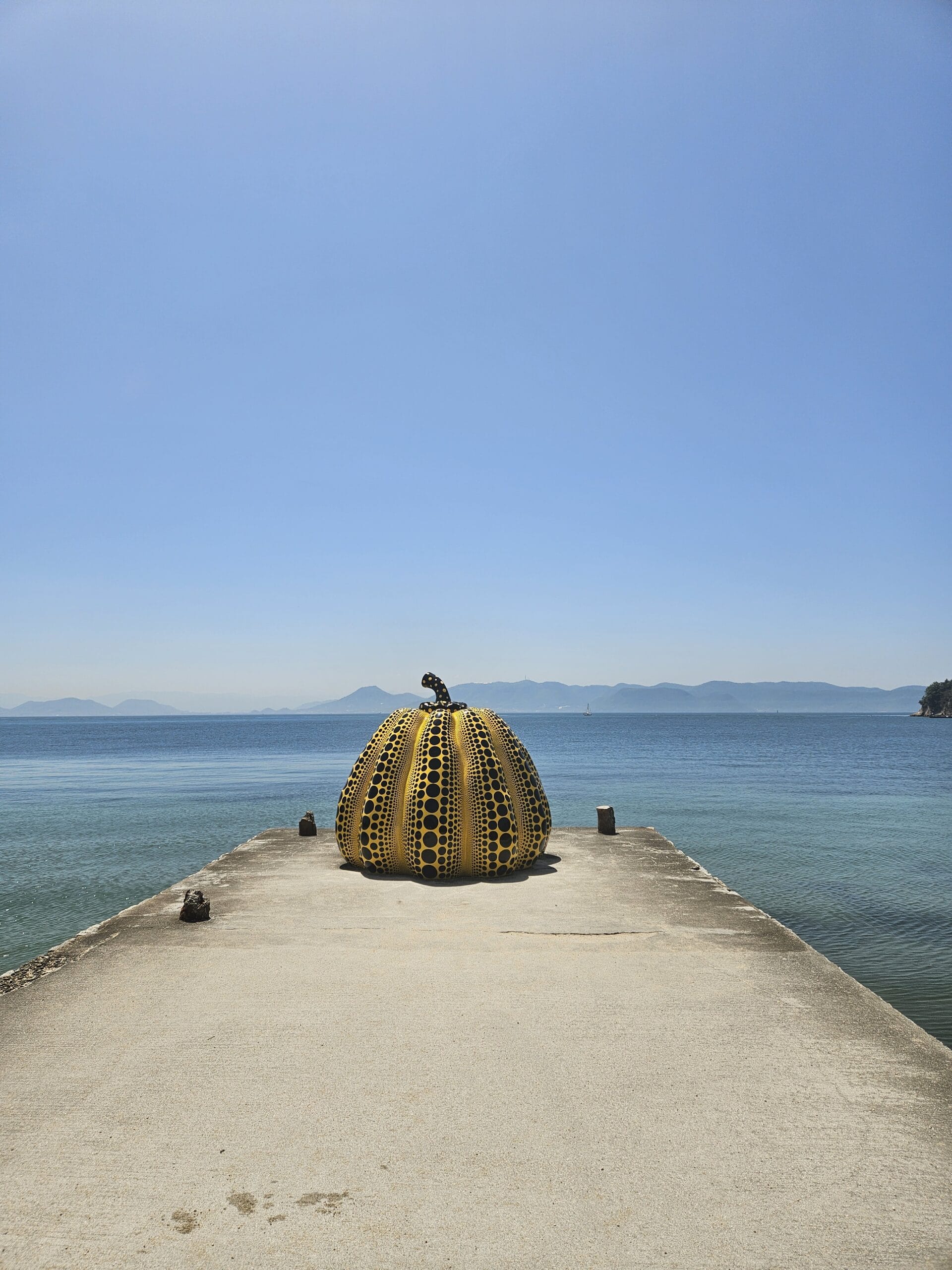
While we lived in Tokyo, we never stayed in the big cities for Golden Week. We always went out to the countryside instead: one year to Shikoku and the art island of Naoshima, another year to Fukuoka and the countryside around it.
Is It OK to Travel to Japan During Golden Week?
You can, but honestly, I think Golden Week is the worst time to be in Japan, and I would not recommend planning a trip around it. There are simply too many people everywhere. If your dates are fixed, go in with realistic expectations. Prices for hotels and domestic flights rise, shinkansen reserved seats sell out on peak days, and highways see long traffic jams. Popular places like Kyoto, Hakone, Kamakura and Mount Fuji areas get very crowded.
On the positive side, the weather in late April and early May is usually pleasant, and there are festivals and events across the country. Children’s Day decorations, including the giant carp streamers explained in my koinobori guide, are a highlight. For the rest of the month, see my guide to Japan in May.
How to Avoid the Crowds During Golden Week
- Book early: reserve hotels months ahead and book shinkansen seats as soon as they open. My guide on how to book shinkansen tickets walks you through it.
- Get out of the big cities: this is what worked for us. Tokyo, Kyoto and Osaka are packed with visitors, so we always headed to the countryside and smaller regions instead.
- Travel against the flow: leave Tokyo when everyone is coming back, or move between cities on the quieter middle days.
- Start early: visit temples, gardens and viewpoints right at opening time.
- Choose lesser known places: smaller towns and regional cities are often less crowded than the famous names.
- Skip the car: highway traffic can be extreme around the start and end of the holiday.
My own rule is simple: if I am in Japan during Golden Week, I leave the cities. May itself is a great month once the holidays are over; I did the Tateyama Kurobe Alpine Route in May, for example.
Frequently Asked Questions
What is Golden Week in Japan?
Golden Week is a series of four national holidays from 29 April to 5 May: Showa Day, Constitution Memorial Day, Greenery Day and Children’s Day. Together with weekends, they create one of the longest holiday breaks of the year.
When is Golden Week 2027?
The holidays are 29 April and 3 to 5 May 2027. The main block runs from Saturday 1 May to Wednesday 5 May.
Is it OK to travel during Golden Week in Japan?
You can, but expect higher prices and big crowds. Personally, I think it is the worst time of year to visit. If you go, book accommodation and train seats early, plan popular sights for early morning and spend part of the week outside the big cities.
Are things closed in Japan during Golden Week?
Most shops, restaurants, attractions and museums are open. Banks and government offices close, and some small local businesses take time off.
How do you avoid crowds in Golden Week?
Travel against the main flow, visit sights early and head for the countryside or less famous regions instead of the big cities. Avoid driving on peak days.
What is a substitute holiday in Japan?
When a national holiday falls on a Sunday, the next working day becomes a holiday. In 2027, Vernal Equinox Day falls on a Sunday, so Monday 22 March is a substitute holiday.
Is Obon a national holiday?
No. Obon is a traditional period in mid August, but many companies close and people travel, so it feels like a holiday for transport and hotels.
Holidays have a big effect on your budget and plans. For more planning help, see my guide to the best time to visit Japan and my breakdown of the cost of a trip to Japan.
Author

Get My Personal Travel Maps




Leave a Reply