Tokyo never really has an off season. Somewhere in the city there is almost always a shrine selling lucky charms, a street closed for a portable shrine, or a crowd of people in yukata waiting for fireworks. The trick is knowing which events are worth planning a trip around and which ones you just enjoy if you happen to stumble into them. I lived in Tokyo for three years while studying at Waseda, and this page is my month by month calendar of the festivals and seasonal traditions I think are worth your time, with links to my deeper guides where I have written one.
One honest warning before you start: dates move. Many Tokyo festivals follow the weekend nearest a fixed day, some only happen every second year, and small neighbourhood events publish their schedule in Japanese a few weeks before. Use this calendar to plan the month, then check the official site for the exact days.

How Tokyo’s festival year actually works
Most traditional festivals (matsuri) are tied to a shrine. Once a year the shrine’s deity is carried through the neighbourhood in a mikoshi, a portable shrine, so the god can see and bless the streets it protects. That is why the biggest crowds gather where the mikoshi passes and why the shouting, the sweat and the sake are part of the point. Other events follow the farming and Buddhist calendar: Obon in summer, when families welcome back the spirits of their ancestors, or Setsubun in February, which marks the start of spring on the old lunar calendar.
Then there is a newer layer: imported holidays that Japan has made its own. Valentine’s Day, Halloween and Christmas all exist here, but they work differently from what you know at home. Christmas is a date night and a fried chicken night, not a family holiday. Halloween is a giant costume party in the streets. That mix of old shrine rituals and borrowed holidays is exactly what makes a Tokyo calendar so much fun.
January and February: shrines, beans and chocolate
January
Hatsumode (first shrine visit of the year). From midnight on 1 January, people line up at shrines and temples to pray for the new year, buy a new omamori charm and draw an omikuji fortune. Meiji Jingu and Senso-ji in Asakusa are the famous ones and the queues can take an hour or more on the first three days. If you only want the atmosphere, go to a smaller local shrine, or visit Meiji Jingu after 4 January when it calms down. Old charms are returned to the shrine to be burned, so do not be surprised by the boxes full of last year’s amulets.
Coming of Age Day (second Monday of January). Twenty year olds celebrate becoming adults, and many women wear furisode, the long sleeved kimono. You will see them around city halls and shrines all day. It is not a festival you attend, but it is one of the most photogenic days of the year. Please ask before you take someone’s photo.
February
Setsubun (around 3 February). People throw roasted soybeans while shouting “oni wa soto, fuku wa uchi” (demons out, luck in), then eat one bean for every year of their age. Big temples like Senso-ji and Zojo-ji hold bean throwing ceremonies where celebrities and sumo wrestlers throw beans and small gifts into the crowd. At home and in every convenience store you will also find ehomaki, a thick uncut sushi roll that you eat in silence while facing the year’s lucky direction.
Plum blossoms. Before the cherry blossoms there are ume. Yushima Tenjin, the shrine of the god of learning, holds a plum festival from February into early March. It is calmer than sakura season and full of students praying for their exams.
Valentine’s Day
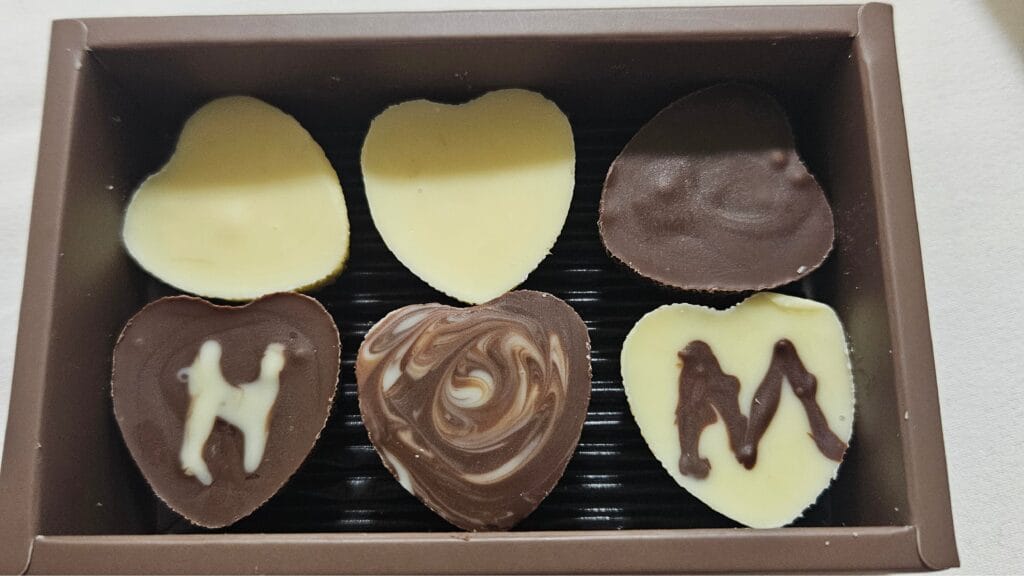
In Japan, girls gift chocolates to boys. Streets and shops are full of special treats and themed events. There are even categories: honmei choco for the person you love, giri choco (“obligation chocolate”) for colleagues, and tomo choco for friends. Department stores like Isetan and Takashimaya run huge chocolate fairs in the weeks before, and the men return the favour a month later on White Day, 14 March. I compared the whole system with Europe in Valentine’s Day in Japan vs Europe.
March and April: the city goes pink, then gets loud
March
Sakura viewing

The first cherry blossoms open! Popular spots like Shinjuku Gyoen and Ueno Park fill with people celebrating hanami. In Tokyo the trees usually open in the second half of March and reach full bloom about a week later, so late March to early April is the safe window. A few practical things nobody tells you: groups send one person early in the morning to hold a spot with a blue tarp, Shinjuku Gyoen bans alcohol while Ueno allows it, and the evening yozakura (night blossoms) with lanterns is often nicer than the daytime crush. My favourite places, with the pros and cons of each, are in my best sakura spots in Tokyo guide.
April
Koenji Street Performer Festival (Koenji Bikkuri Daidogei)

Koenji becomes a stage for hilarious street performances. From jugglers to comedians, laughter fills the air. The festival takes place over the last weekend of April, right at the start of Golden Week, and it is free. Performers work for the hat, so bring coins and small notes if you stay for a full show. Koenji is a perfect setting for it anyway: secondhand shops, tiny bars and zero pressure to look cool. Everything about the performers and the route is in my Koenji Street Performer Festival guide.
Late April also starts Golden Week, a cluster of public holidays from 29 April to 5 May. Trains out of Tokyo and hotels everywhere get busy and expensive, but the city itself can feel a little emptier because so many residents travel.
May and June: the big shrine festivals
May
Children’s Day (5 May). Carp streamers called koinobori fly above houses, rivers and the Tokyo Tower area. The carp swims upstream, so it stands for children growing up strong.
Sanja Matsuri (usually the third weekend of May). Asakusa Shrine’s festival is one of the wildest in Tokyo. Around a hundred neighbourhood mikoshi are carried through Asakusa, the bearers chant and bounce the shrines, and the whole area turns into a street party with food stalls and drinking from midday. Sunday is the big day, when the shrine’s three main mikoshi come out. It is crowded, it is loud, and if you have only one traditional festival in your schedule, this is a strong candidate.
Kanda Matsuri (mid May, odd years). Kanda Myojin’s festival is one of Tokyo’s three great festivals and only runs at full scale every second year, alternating with the Sanno Matsuri. The next big one is in 2027, with a procession that goes through Kanda, Akihabara and Nihonbashi. Kanda Myojin is also the shrine where Akihabara’s tech shops pray for business, so you get the strange and very Tokyo sight of a centuries old procession passing anime billboards.
June
June is tsuyu, the rainy season, and the quietest festival month. The highlight is the Sanno Matsuri of Hie Shrine, the third of the great Edo festivals, held at full scale in even years (the next big procession is in 2028). The rest of the month belongs to hydrangeas: temples and parks with ajisai paths look their best on grey, wet days. Take an umbrella and enjoy the fact that fewer tourists are around.
July: lanterns, plants and the first fireworks
Hozuki-ichi at Senso-ji (9 and 10 July). A market selling potted Chinese lantern plants with orange pods and little wind chimes. Praying at Senso-ji on these days is said to count as 46,000 days of prayer, which is the kind of deal that brings out half of Asakusa.
Sumidagawa Fireworks (usually the last Saturday of July). Tokyo’s most famous fireworks show, with around 20,000 shells over the Sumida River. Spots near the river fill up hours before. Locals book a rooftop, a riverside restaurant or simply watch from further away on a bridge or a hill. Leaving is the hard part: expect stations to be closed for entry and queues for a long time after the last shell.
Ebisu Bon Odori Festival

A beautiful summer tradition where people dance to honor their ancestors, right in the lively Ebisu district. The dance happens around a yagura tower set up at the roundabout in front of JR Ebisu Station’s west exit, on two evenings at the very end of July or start of August (in 2026 it was 31 July and 1 August, from around 17:30). The steps are simple and repeat, so the best way to learn is to join the circle behind someone who knows them. Nobody minds if you get it wrong. I explain the history of Obon and the dance in my bon odori guide.
August: Tokyo dances in the streets
August is peak summer: hot, humid and full of Obon events. Many companies close for a few days around 13 to 16 August and people travel back to their hometowns, so the city feels a bit quieter in the middle of the month and very full on weekends at the end.
Nakano Awa Odori
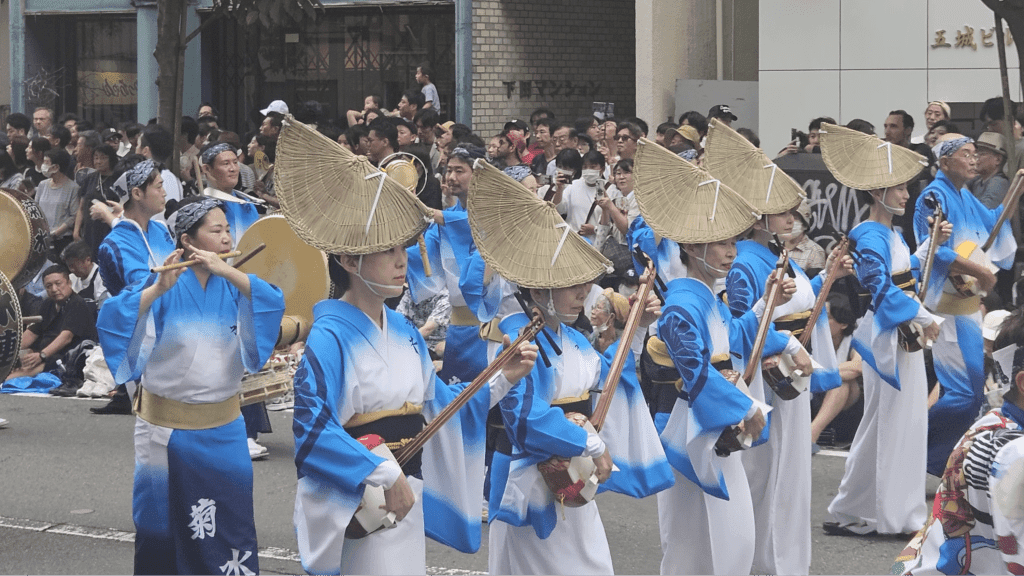
Traditional Awa dance in the cozy streets of Nakano. Colorful, joyful, and a little more relaxed than Koenji! Awa odori comes from Tokushima on Shikoku, and it is danced in groups called ren, with shamisen, flutes and drums playing a two beat rhythm. The famous chant says that dancers are fools and watchers are fools too, so you might as well dance. The Nakano area events are smaller, so you can actually see the dancers’ faces instead of the back of someone’s head. More in my bon odori and summer dance guide.
Koenji Awa Odori
One of Tokyo’s biggest traditional dance festivals with over 10,000 dancers filling the streets of Koenji! It takes place on the last weekend of August, in the evening, along several streets around Koenji Station. My tips: arrive before the start and pick one street rather than trying to follow the groups around, eat from the stalls early because the lines get long, and accept that you will be sweaty. Women’s groups dance with elegant, raised hands in straw hats, men’s groups move low and wild, and the drummers are the real stars.
For me this one is personal: I lived in Koenji, so the dancers came right down my own street. If you have only one summer evening in Tokyo, this is the festival I would choose.

September and October: moon viewing, cats and costumes
September
September is still warm and it is typhoon season, so plan with some flexibility. The seasonal tradition is tsukimi, moon viewing, around the harvest moon. You will not see crowds for it, but you will see it everywhere in shops: tsukimi dango (white rice dumplings stacked like a pyramid), moon themed sweets, and even fast food chains selling “tsukimi burgers” with a fried egg as the moon. Many neighbourhood shrines also hold their autumn festivals in September, so if you hear drums, follow them.
October
Bakeneko Festival in Kagurazaka

Dress up as a spooky or cute cat and parade through Kagurazaka at this unique Halloween-themed event. Bakeneko are shapeshifting cats from Japanese folklore, and the festival mixes that old ghost story tradition with face paint and cat ears. Anyone can join the parade, and there is usually a make up corner if you arrive without a costume. Kagurazaka’s stone lanes and old restaurants make a perfect backdrop. Read my Bakeneko Festival guide before you go.
Halloween in Tokyo
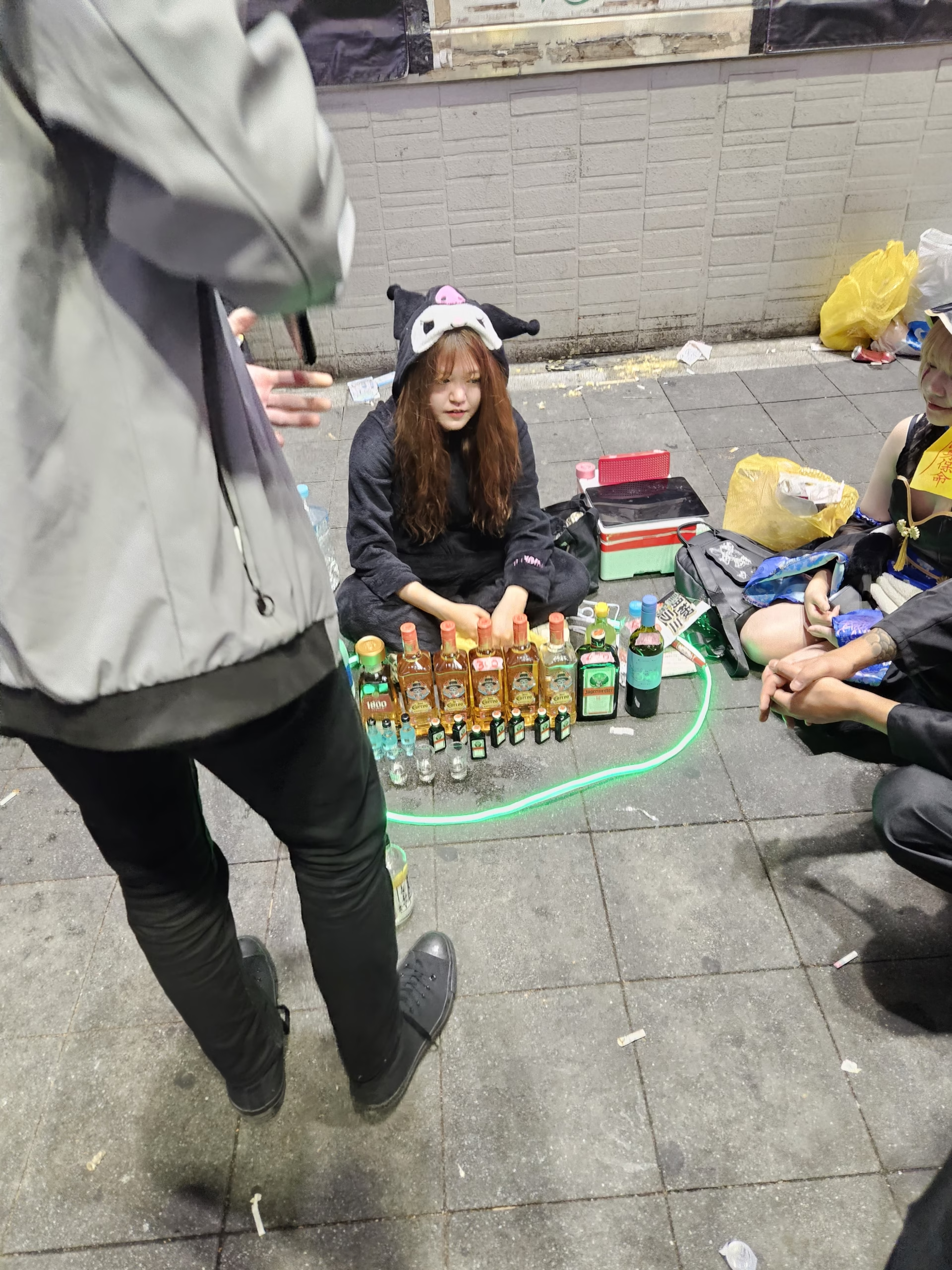
Thousands gather in costumes around Tokyo for one of the wildest Halloween street parties in the world. Be aware that things have changed: Shibuya now discourages Halloween gatherings, bans street drinking around the station in that period and puts out a lot of police. Many people have moved to other areas or to organised events. What is allowed, where people go now, and how to stay safe is all in my Halloween in Tokyo guide.
November and December: campus festivals, lights and fried chicken
November
Waseda Festival (Wasedasai, early November). Waseda University’s student festival with food, performances, and exhibitions. It is one of Japan’s largest campus festivals, with around 200,000 visitors over one weekend at the Waseda and Toyama campuses. Clubs run food stalls, there are dance and band stages everywhere, and the cheering squads and choirs perform in front of the Okuma Auditorium. Entry is free. I studied at Waseda, so I am biased, but I went to the festival as a normal visitor, and that is exactly how you can enjoy it too. It is a fun way to see a side of Tokyo that tourists rarely get.
Tori no Ichi. On the days of the rooster in the old calendar (two or three times in November), Otori shrines hold markets selling kumade, decorated bamboo rakes that “rake in” good fortune for businesses. Whenever someone buys a big one, the sellers clap a rhythmic tejime. It is noisy, local and very Edo.
Autumn leaves. Late November is koyo season in the city. The ginkgo avenue at Meiji Jingu Gaien turns bright yellow and is usually at its best at the end of November or start of December.
December
Tokyo Christmas Market. A German style Christmas market with mulled wine, crafts, and music. It used to be in Hibiya Park, but in recent years it has been held at Meiji Jingu Gaien from late November to 25 December. Entry is paid and the price depends on the day; the ticket usually includes a souvenir mug, so check the official site for this year’s prices. What it costs, when to go and whether it is worth it compared with Europe is in my Tokyo Christmas Market guide.
Christmas illuminations (Roppongi Hills and Midtown). Stunning light displays across Roppongi Hills and Tokyo Midtown, perfect for a winter evening stroll. The view down Keyakizaka with Tokyo Tower at the end is the classic photo. Go on a weekday, because on 24 December the whole city is on dates.
Christmas KFC ordering

A Japanese tradition: order your Christmas KFC early! It’s a huge thing here, so make reservations fast. Pre orders for the Christmas party barrels open weeks ahead, and on 24 and 25 December the walk in queues can be long. The story goes back to a 1970s marketing campaign, and it worked better than anyone expected. I wrote the whole history in the KFC Christmas tradition in Japan.
The end of the year. On 31 December many people eat toshikoshi soba for a long life and go to a temple at midnight to hear the bell rung 108 times, once for each worldly desire. Then it is hatsumode again, and the calendar starts over.
How to enjoy a Tokyo matsuri like a local
- Bring cash. Food stalls (yatai) mostly take coins and 1,000 yen notes. Yakisoba, takoyaki, karaage and chocolate bananas are about 500 to 1,000 yen each (2025).
- Carry your trash. There are few bins in Tokyo. Some festivals set up sorting stations, otherwise take it home.
- Do not block the mikoshi. When a portable shrine comes, step to the side and follow staff instructions. Never touch it unless you are invited to help carry.
- Wear a yukata if you like. Summer festivals are the one time when a cotton yukata is completely normal, and foreigners wearing one is welcome. Fold left over right.
- Plan your way home. At big events, stations limit entry. Walking one or two stations away usually saves time.
- Check the weather. Summer events can be cancelled for heavy rain or a typhoon, often on the day itself.
Frequently Asked Questions
What is the biggest festival in Tokyo?
In terms of crowds, the Sanja Matsuri in Asakusa in May and the Sumidagawa Fireworks in late July each draw very large crowds. Kanda Matsuri (odd years) and Sanno Matsuri (even years) are the most historically important. For dance, the Koenji Awa Odori in late August is the biggest.
Which month has the most festivals in Tokyo?
July and August. Summer is festival season, with bon odori, awa odori and fireworks almost every weekend. The downside is the heat and humidity.
Are Tokyo festivals free?
Almost all traditional festivals are free to watch and join. You pay for food and drinks at the stalls. Some modern events like the Christmas market charge entry, and fireworks often sell reserved seats.
Can tourists join a bon odori dance?
Yes. Bon odori is made for everyone to join. Step into the circle, copy the person in front of you, and keep moving in the same direction. Awa odori parades are for registered groups, but some festivals have a beginner group anyone can join at the end.
When are the cherry blossoms in Tokyo?
Usually from the second half of March to the first days of April. The exact date changes every year, so follow the forecasts that start in late winter.
Is Christmas a holiday in Japan?
No. 25 December is a normal working day. Christmas Eve is mainly for couples, and many families eat fried chicken and Christmas cake. The big family holiday is New Year.
What should I wear to a summer festival in Tokyo?
A yukata if you want to dress up, otherwise light clothes, comfortable shoes and a small towel. Bring a fan and water. You will be standing in crowds in 30 degree heat.
Whatever month you visit, there will be something on. Pick one festival from this calendar, build a day around it, and let the rest of Tokyo surprise you. For a spring trip, save my best sakura spots in Tokyo, and for late summer my bon odori guide.
Author

Get My Personal Travel Maps


Leave a Reply