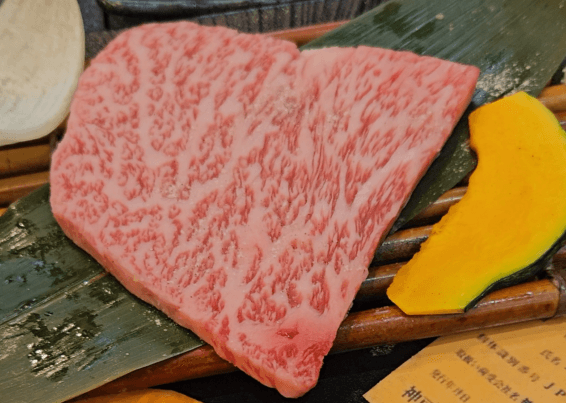
Kobe beef is often presented as one of the most luxurious foods in the world. Many travelers visit Japan with the expectation that tasting Kobe beef will be the highlight of their culinary experience. The name alone evokes ideas of unmatched tenderness, delicate marbling, and an almost legendary level of quality. Restaurants around the world promote Kobe beef as the ultimate premium steak, and countless social media posts reinforce the idea that it represents perfection on a plate.
Yet the reality behind Kobe beef is more complex than the glossy marketing suggests. True Kobe beef is extremely rare, highly regulated, and difficult to find outside of specific approved channels. Most people who believe they have tried Kobe beef have actually eaten something completely different. Mislabeling, inflated prices, and confusing terminology have turned Kobe beef into one of the most misunderstood products in the global food industry.
There is also a more personal aspect worth mentioning. In my opinion, Kobe beef is far too expensive for what it offers. I do not feel that the flavor justifies the price, and I often find that high quality Swiss beef tastes better, delivers more consistent quality, and offers far greater value. The prestige of the Kobe name tends to overshadow the fact that many other beef varieties can offer more satisfaction without the excessive cost.
The problem is not limited to pricing. Scams involving Kobe beef have become surprisingly common. Some restaurants sell lower grade wagyu at inflated prices and present it as Kobe. Others offer meat that does not come from Hyogo Prefecture at all, even though true Kobe beef must meet strict rules regarding origin, breeding, and certification. In some cases, vendors even fake labels or fabricate documents to convince customers they are buying the real product. These practices damage consumer trust and make it challenging to know whether the meat on the plate matches the claims on the menu.
Understanding how Kobe beef is defined, how the certification system works, and why fraud is so widespread is essential for anyone who wants to make informed decisions. It also helps highlight why many other types of wagyu, or even non Japanese beef, can provide a better experience and more reliable value.
This article explores these issues in detail. It clarifies what authentic Kobe beef truly is, explains the most common forms of Kobe beef fraud, and offers guidance on how to spot misleading claims. It also covers why wagyu fraud is increasing globally and why choosing other beef varieties can often be the smarter option.
If you want a broader overview of Japanese dishes that are often misunderstood or overpriced, I’ve covered them with clear context in my Japanese Food Guide.
Understanding Kobe Beef: What It Really Is
First, it is important to understand what Kobe beef actually is, because the term is often misused and misunderstood. Kobe beef does not refer to a general style of wagyu or a type of Japanese steak. It is a legally protected regional product with very specific rules. True Kobe beef comes only from the Tajima strain of Japanese Black cattle, known in Japan as Kuroge Washu. These cattle must be born, raised, and processed in Hyogo Prefecture, the region surrounding the city of Kobe. The production process follows strict agricultural, feeding, and welfare standards that were developed over generations to maintain consistency in quality.
Because of these strict rules, only a small number of animals ever qualify for Kobe certification. The association responsible for regulating Kobe beef conducts detailed inspections, evaluates carcass quality, and supervises distribution. Every certified animal receives an individual identification number, and every cut of beef is supposed to be traceable back to the original animal. These measures protect the integrity of the Kobe name and help ensure that consumers receive a product that truly reflects the region’s standards.
To be classified as genuine Kobe beef, the meat must meet the following conditions:
- Born and raised in Hyogo Prefecture (where Kobe is located).
- Be from Tajima-gyu cattle, a special bloodline of the Japanese Black breed.
- Be processed in a certified slaughterhouse in Hyogo.
- Meet high-quality grading standards: The beef must score at least A4 or B4 on Japan’s beef grading system, which evaluates meat quality based on marbling, color, texture, and fat quality.
- Have a marbling score (BMS) of 6 or higher (on a scale of 1 to 12).
- Receive an official Kobe Beef Certificate from the Kobe Beef Marketing & Distribution Promotion Association.
Despite these strict regulations, Kobe beef scams remain widespread. Many restaurants misclassify ordinary wagyu as Kobe, and some even serve lower grade or unrelated beef at premium prices. In many cases, the scam is not only about mislabeling but also about charging far more than the meat is worth. By presenting regular wagyu, crossbred wagyu, or even non Japanese beef as a luxury product, these businesses mislead customers and profit from the reputation of Kobe beef.
History of Kobe Beef: How the Hype Started
Kobe beef’s fame did not appear suddenly. Its reputation developed gradually through a mix of regional pride, controlled production, and strategic marketing. In the mid to late 20th century, Japan began promoting Kobe beef as a premium regional specialty. During this period, Japanese consumers were becoming more interested in high quality domestic food products, and beef from the Tajima lineage in Hyogo Prefecture consistently stood out for its tenderness and marbling. As Japan opened more to international tourism and global food exchange, Kobe beef was introduced to foreign chefs, food writers, and importers who were fascinated by its texture and richness. This early exposure helped elevate Kobe beef from a local specialty to a product with global prestige.
The branding of Kobe beef was further strengthened by the narrative surrounding the cattle themselves. Stories began circulating about ranchers who massaged their animals, fed them beer, or played music to keep them relaxed. These stories captured the imagination of the public and created an image of extraordinary care. While there is some truth to these practices, they were never as widespread or ritualistic as the myths suggest. Farmers sometimes use gentle brushing to improve blood circulation or offer small amounts of beer when cattle lose appetite during hot summers, but these practices are practical farming methods rather than daily traditions.
By the early 2000s, Kobe beef had become a symbol of luxury. Food journalists, high end restaurants, and even travel agencies promoted it as a once in a lifetime experience. This global enthusiasm created a dramatic increase in demand. However, authentic Kobe beef remains limited in quantity, with only around 4,000 certified animals produced per year. This scarcity, combined with the powerful brand image, created an ideal environment for misrepresentation.
As Kobe beef grew more famous, scammers took advantage of its reputation. Many restaurants began labeling ordinary wagyu, or even unrelated beef, as Kobe. Some establishments charged inflated prices for meat that did not meet the official standards. Others relied on customers’ lack of knowledge about certification and used vague menu descriptions to imply authenticity without actually serving certified Kobe beef. This mix of limited supply, strong international demand, and widespread myths has made Kobe beef one of the most frequently misrepresented foods in the world.
Common Kobe Beef Scams and Misleading Practices
Unfortunately, the global reputation of Kobe beef has also created an environment where scams are common. Many diners end up paying high prices for meat that is presented as Kobe beef, only to find out later that it was something entirely different. The combination of limited supply and strong demand makes misrepresentation easy and profitable. Below are the most common types of scams that customers should be aware of:
1. Fake “Kobe Beef” Outside Japan
Kobe beef production is tightly regulated and the amount available for export is extremely small. As a result, very few restaurants outside Japan have legitimate access to certified Kobe beef. Despite this, many international restaurants still advertise “Kobe beef” on their menus. In most cases, the meat they serve is lower quality wagyu or sometimes not wagyu at all. The label creates the illusion of authenticity, but the product does not meet the official standards. This type of mislabeling is one of the most common and profitable Kobe beef scams.
- In the USA, only a handful of restaurants serve authentic Kobe beef, yet many places claim to offer it.
- In Europe, many steakhouses label their meat as “Kobe-style” when in reality, it is just normal beef with slightly higher fat content.
- In China and Southeast Asia, many luxury restaurants falsely advertise “Kobe beef” while serving cheaper Australian or American Wagyu.
2. Mislabeling Lower-Grade Wagyu as Kobe Beef
Since all Kobe beef falls under the broader category of Wagyu, some restaurants take advantage of this by presenting ordinary Wagyu as Kobe. This is misleading because the term Wagyu simply refers to Japanese cattle breeds and does not indicate quality on its own. Wagyu can come from many regions across Japan, and the standards vary widely depending on the farm, the lineage of the cattle, and the grading of the meat. Some Wagyu is excellent, but other varieties are far less consistent and can be significantly cheaper than certified Kobe beef. When restaurants substitute these lower grade options and market them as Kobe, it becomes a clear case of Wagyu fraud. This type of misrepresentation is common, and it highlights why understanding regional differences and official certifications is essential for identifying real Kobe beef.
- If a restaurant doesn’t provide an official Kobe Beef Certificate, it is likely selling another type of fake Kobe beef.
- Lower-grade Wagyu can still taste good, but it should not be priced at Kobe beef levels.
3. Blending Wagyu with Regular Beef
Some restaurants attempt to stretch their supply by mixing a small amount of genuine Kobe beef with much cheaper meat and still presenting the final product as pure Kobe. This practice is deceptive because the marbling in high quality Wagyu can influence the flavor of a dish even in small proportions. A restaurant can combine a small portion of real Kobe beef, sometimes as low as 20 to 30 percent, with ordinary Wagyu or even non-Wagyu beef and serve it as if it were 100 percent certified Kobe. Most customers would not be able to identify the difference, especially if the dish is heavily seasoned or cooked in a way that masks variations in texture. This blending practice is considered a serious form of Kobe beef fraud because it misrepresents both the quality and the value of the product while taking advantage of consumers who believe they are paying for a fully authentic experience.
4. Overpriced Tourist Traps
Some restaurants that promote Kobe beef specifically target foreign tourists by charging inflated prices for meat that is not high grade or not certified at all. This issue is especially noticeable in popular tourist areas where visitors are less familiar with Japan’s beef grading system and may not know how to confirm authenticity. Locations near the Tsukiji Outer Market, which is often visited by tourists exploring nearby Ginza, are known for offering “Kobe beef” at premium prices even when the meat does not meet official Kobe standards. These establishments rely on name recognition, eye-catching signs, and tourist traffic to sell lower quality beef at luxury prices, which contributes to ongoing misrepresentation in the Kobe beef market.
- If a place is only visited by tourists and not locals, it’s a red flag.
- If the menu has no specific Kobe grading (A4, A5, BMS score), be suspicious.
- If the restaurant refuses to show the Kobe Beef Certificate, they are likely running a fake Kobe beef scam.
5. “Kobe Beef Burgers” – A Total Lie
Authentic Kobe beef is an extremely costly and limited product, and it is not intended to be used for ground meat. Because of its rarity and high value, reputable producers and certified restaurants reserve true Kobe beef for steaks or carefully controlled cuts. For this reason, most “Kobe beef burgers” sold around the world are not made from 100 percent certified Kobe beef. They usually contain a mixture of lower grade Wagyu and regular beef, even when the menu suggests otherwise. When a burger is advertised as Kobe beef at a surprisingly low price, it is almost always a sign that the meat is not authentic. This type of misrepresentation has become one of the most common forms of Wagyu fraud, because many customers assume that the term “Kobe” guarantees quality without realizing how unlikely it is for real Kobe beef to be used in a burger.
6. Selling Wagyu from Other Regions as Kobe Beef
Japan has many excellent Wagyu brands, such as Matsusaka, Omi, and Hida beef. Some sellers mislabel these as Kobe beef to take advantage of the Kobe name.
- Matsusaka Wagyu is often ranked above Kobe beef in Japan.
- Omi Beef is one of Japan’s oldest Wagyu varieties and has better umami flavor.
- Hida Beef is known for fine marbling and buttery texture.
These are all premium Wagyu brands, and in many cases, an A5 Matsusaka steak is better than a lower-grade Kobe steak (A3 or A4).
Final Verdict: Should You Eat Kobe Beef?
✅ Yes, if:
- You are eating at a certified restaurant with an official Kobe Beef Certificate.
- You are getting A5 Kobe beef and not a lower grade.
- You are willing to pay a premium for the brand name.
❌ No, if:
- The restaurant doesn’t have official certification.
- The price is too cheap (it’s probably a Kobe beef scam).
- You want the best Wagyu experience for your money.
My Recommendation
Instead of focusing only on Kobe beef, it is worth exploring other regional Wagyu varieties that often deliver equal or even better eating experiences at a more reasonable price. Kobe has become a global brand, which means it is frequently overpriced and often misrepresented. In contrast, producers in regions such as Matsusaka, Omi, and Hida place the same level of care into raising their cattle, and many experts consider these Wagyu types to be just as impressive as Kobe, or in some cases even better. They are known for their deep flavor, consistent marbling, and strong quality control. Because they receive less international attention, they are often more accessible, more affordable, and far less likely to be involved in mislabeling issues.
Choosing these alternatives helps you avoid many of the Wagyu fraud problems that surround Kobe. When you understand the differences between Japan’s major Wagyu-producing regions, you can make more informed decisions and enjoy premium beef without relying on a single brand name. It also opens the door to discovering new styles and cuts that reflect the unique techniques of each region.
From my own experience, some of the best meals in Japan come from these lesser-known Wagyu varieties. My personal favorite Wagyu dish is gyukatsu. It is a lightly breaded and quickly fried beef cutlet that stays tender and rare inside. Although it delivers an incredible flavor and texture, it is almost never made with true Kobe beef because Kobe is far too expensive and rare for this type of preparation. Restaurants that specialize in gyukatsu generally use high quality Wagyu that offers excellent marbling and flavor without the extreme cost of Kobe. This makes the dish an excellent example of how you can enjoy top-level Japanese beef without paying the premium that the Kobe name demands.
Japan has many other luxury foods that are far more transparent and easier for visitors to trust. For example, fugu is a highly regulated product that requires licensed preparation, which results in strong safety controls. High end sushi is another reliable option, as reputable sushi restaurants work closely with suppliers and typically provide clear information about sourcing. If you want to experience exceptional Japanese seafood in Tokyo, I recommend trying a respected sushi counter in Roppongi. Many of the sushi chefs in this area are known for their careful ingredient selection and their commitment to quality, which gives you a premium dining experience without the uncertainty that often surrounds Kobe beef.
For these reasons, it is wise to think beyond Kobe when choosing Wagyu in Japan. Exploring regional Wagyu varieties, choosing dishes that highlight quality rather than branding, and seeking out reputable restaurants can lead to a far more authentic and satisfying culinary experience.
So the next time you see a sign advertising Kobe beef, take a moment to think about what you are really paying for. The best Wagyu in Japan does not always carry the Kobe name, and some of the most memorable meals come from regions and dishes that many tourists never think to try.
Author

Get My Personal Travel Maps
Keep Reading: More Articles You'll Love
 Is Japanese Food Actually Chinese? The Surprising Origins of Japanese Cuisine
  Living in Japan vs Korea – The Ultimate Expat Guide
  Japan Travel Myths vs Reality: What Tourists Still Get Wrong About Japan
  Tattoos in Japan: Rules, Culture, Onsen & Changing Attitudes
  My First 30 Days in Tokyo: Essential Administrative Steps for International Students
  Living in Tokyo vs Zurich – The Ultimate Expat Guide
  How I Navigated Japan’s IT Job Market as a Foreign Software Engineer