
Basashi at a Glance
- What it is: Basashi, thinly sliced raw horse meat served as sashimi
- Most famous in: Kumamoto in Kyushu, but served across Japan
- How it is served: With soy sauce, ginger, garlic and spring onion
- Taste: Mild, slightly sweet and tender, and leaner than beef
- Safety: Prepared under strict rules and usually frozen to kill parasites; not for pregnant women, young children or the immunocompromised
- Also eaten in: Italy, France, Switzerland and parts of Central Asia
What is Basashi?
Basashi is a traditional Japanese dish made from raw horse meat that is served thinly sliced and chilled. It holds a respected place in regional food culture, particularly in areas such as Kumamoto, where local restaurants and izakayas have prepared it for generations. The meat is typically paired with soy sauce, garlic, and sometimes sesame seeds or finely chopped green onion. These accompaniments highlight the clean flavor and firm texture that make basashi distinctive.
In Japan, basashi is prepared under strict hygiene and handling standards. The butchering process, storage temperature, and timing of service are all carefully managed to preserve freshness. This level of care reflects the long-standing culinary knowledge of the regions that specialize in horse meat dishes. Diners often enjoy basashi as part of a shared meal and it is commonly paired with sake, which further elevates its subtle flavor.
It is important for readers to understand that basashi should not be confused with raw chicken. The two foods differ in meat composition, texture, flavor, and overall safety considerations. Chicken carries different risks and is not handled in the same way. Basashi is a separate culinary tradition with its own preparation standards and cultural background.
For many travelers and food enthusiasts, trying basashi offers insight into a lesser known aspect of Japanese cuisine. The dish reflects regional heritage, skilled preparation, and a culinary approach that values freshness and simplicity. Its reputation within Japan comes from both its taste and the expertise of those who prepare it.
Countries Where Horse Meat Is Famous
While horse meat is far less common globally than beef, pork, or chicken, it maintains a consistent presence in several national cuisines. Its use varies widely by region, cultural tradition, and local availability. Japan is one of the most recognized examples, especially for dishes such as basashi, where raw horse meat is prepared with great attention to freshness and presentation. Beyond Japan, horse meat is also part of the food culture in a number of other countries. In many of these places it is valued for its lean texture, mild flavor, and long history of culinary use.
The following countries are known for consuming horse meat with some degree of regularity, either as a traditional food, a regional specialty, or a common ingredient in everyday cooking:
- Switzerland: In Switzerland, horse meat is not uncommon. Many Swiss enjoy horse meat dishes, and there are even specialized butchers selling horse meat. It is often served as steaks, sausages, or even in gourmet dishes at Italian restaurants throughout the country. Italian eateries in Switzerland frequently offer horse steaks as part of their menu, showcasing its popularity in Swiss and Italian cuisine.
- Italy: Horse meat is relatively common in Italy, especially in the northern regions. It is often prepared as steaks or sausages and featured in various regional dishes.
- France: France is another country where horse meat has a long tradition, and it is available in butcher shops across the country. It is considered lean and flavorful, making it a desirable choice for many.
- Belgium: Known for its rich culinary heritage, Belgium also offers horse meat as a delicacy. It is commonly available in butcher shops and is often used in traditional dishes.
- Kazakhstan and Mongolia: These countries, with a strong tradition of nomadic cultures, consume horse meat frequently. It is often dried or cooked in stews and soups.
In Switzerland, horse meat is not simply an occasional specialty. It is part of a long-standing culinary tradition that remains visible in many regions of the country. The practice is especially common in areas influenced by Italian food culture, where the preparation of horse meat has been refined over generations. Dedicated horse meat butchers can be found throughout Switzerland, and many of them offer cuts that range from tender steaks to cured products and specialty sausages. These shops often serve customers who value the lean texture and distinctive flavor that horse meat provides.
Italian restaurants across Switzerland frequently include horse meat dishes on their menus. Visitors can find options such as grilled horse steak, slow cooked preparations, or dishes that pair the meat with simple seasonings that highlight its natural taste. This is true in major cities such as Zurich and Geneva, where horse steak appears regularly in Italian eateries that focus on traditional regional cooking.
The continued presence of horse meat in Swiss cuisine reflects an established food culture, a respect for ingredient quality, and a willingness to preserve culinary practices that have historical roots. For travelers who are curious about local traditions and for residents who appreciate the variety of Switzerland’s food landscape, horse meat remains a recognized and accessible part of the country’s dining experience.
Why Is It Good to Eat Horse Meat?
Horse meat is becoming more widely recognized for its nutritional value, especially among people who prefer lean sources of protein. Compared with beef, horse meat generally contains less fat and a higher proportion of high quality protein. This makes it appealing to individuals who want to increase their protein intake without significantly raising their calorie consumption.
Nutritionally, horse meat provides several essential vitamins and minerals that support overall health. It is a good source of iron, zinc, and vitamin B12, all of which play important roles in energy metabolism, immune function, and red blood cell formation. The iron found in horse meat is highly bioavailable, which means the body can absorb it efficiently. This is useful for people who need to maintain healthy iron levels, such as athletes or individuals with higher physical activity demands.
Because horse meat is naturally lean, it can fit well into diets that prioritize lower fat intake while still delivering strong nutritional density. Its combination of protein, minerals, and relatively low fat content makes it a practical option for people who want to support muscle maintenance, manage their weight, or diversify their protein sources.
Overall, the growing interest in horse meat reflects an increased appreciation for lean, nutrient rich foods that offer both culinary versatility and measurable health benefits.
- High in Protein: Horse meat is a great source of high-quality protein, essential for muscle growth and repair.
- Rich in Iron: The iron content in horse meat is higher than that in beef, which is crucial for maintaining healthy blood circulation.
- Low in Fat: For those concerned about fat intake, horse meat is a lean option, with less fat than beef or pork.
- Vitamin B12: Horse meat contains significant amounts of vitamin B12, which supports nerve function and energy levels.
Horse meat is often considered a healthier alternative to more common meats, particularly due to its lower fat content and rich nutritional profile. While not widely known in every country, its health benefits make it a valuable food source for those looking to diversify their diet.
Basashi: A Unique Japanese Delicacy
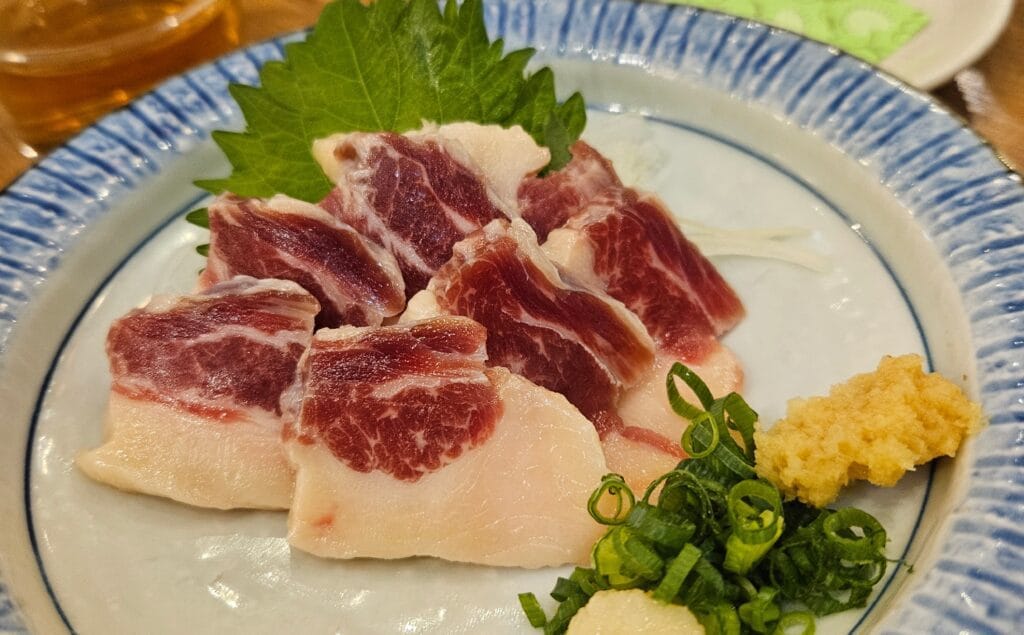
Basashi is widely recognized in Japan as one of the most distinctive raw meat dishes in the country. Although many cultures enjoy raw preparations such as beef tartare or fish-based sashimi, basashi occupies its own category because it is made specifically from horse meat. This approach is strongly rooted in Japanese culinary tradition, where the focus on freshness, precision, and clean flavors guides how the dish is prepared and served. In Japan, horse meat intended for basashi is handled with strict attention to hygiene and temperature control, which supports its safe consumption in raw form.
The presentation of basashi reflects the values of Japanese cuisine. The meat is sliced thin, chilled, and arranged carefully to preserve both texture and appearance. Accompaniments such as grated garlic, soy sauce, ginger, or thinly sliced onion offer complementary flavors without overwhelming the natural taste of the meat. Many diners comment on the mild sweetness and tender bite that set basashi apart from other raw preparations.
The popularity of basashi is especially strong in regions such as Kumamoto, where it has been part of local food culture for generations. Restaurants and izakayas that serve the dish often emphasize long-standing relationships with trusted suppliers and butchers who specialize in horse meat. This network of skilled producers contributes to the consistency and quality that basashi is known for.
Enjoying basashi is often more than a culinary experience. For locals and visitors alike, it represents a chance to appreciate a regional specialty that reflects both history and craftsmanship. Its place as a common appetizer in izakayas makes it accessible to people who are curious about traditional Japanese foods, yet it remains a dish that rewards careful preparation and informed dining choices. The combination of cultural significance, meticulous handling, and thoughtful presentation helps explain why basashi continues to hold a respected place in Japanese cuisine.
Basashi is just one example of how Japanese cuisine values freshness, technique, and regional identity. If you want to understand how dishes like basashi fit alongside sushi, gyukatsu, yakitori, and other specialties, I break it all down in my Japanese Food Guide, which focuses on traditional dishes, modern interpretations, and where travelers can try them safely and authentically.
My Personal Experience with Basashi (Raw horse meat) in Ogikubo
When I lived in Ogikubo, I had the pleasure of visiting a wonderful local establishment called 荻窪 馬肉バル かち馬 (Ogikubo Baniku Bar Kachiuma). This charming bar specializes in basashi and offers a truly authentic experience. The owners are incredibly welcoming, and the atmosphere is cozy and inviting. Every time I visited, I was treated to beautifully prepared slices of raw horse meat, served with the perfect balance of flavor and freshness. It quickly became one of my favorite places to enjoy basashi in Tokyo.
The local charm and friendly service at 荻窪 馬肉バル かち馬 make it a standout spot for anyone wanting to experience authentic basashi. If you find yourself in the Ogikubo area, I highly recommend visiting this establishment. It’s a great place to enjoy some of the best raw horse meat in Tokyo and immerse yourself in local culture.
Ogikubo is a great example of a Tokyo neighborhood where local food culture thrives away from tourist centers. When I first arrived in Tokyo, this is where I chose to live, which gave me daily exposure to neighborhood restaurants, family run bars, and places like this basashi specialist that most visitors never see. I cover areas like Ogikubo and how to combine food focused stops with sightseeing in my Tokyo Travel Guide, which is designed to help travelers explore residential districts efficiently without wasting time or backtracking.
Basashi FAQ
What is basashi?
Basashi is a traditional Japanese dish of thinly sliced raw horse meat, served like sashimi with soy sauce, ginger, garlic and spring onion. It is especially associated with Kumamoto in Kyushu.
Is basashi safe to eat?
In Japan it is prepared under strict hygiene rules, and the meat is usually frozen to a set temperature to kill parasites before serving. As with any raw meat, choose a reputable restaurant, and it is not recommended for pregnant women, young children or anyone with a weakened immune system.
What does basashi taste like?
It is mild, clean and slightly sweet, with a tender, almost melt-in-the-mouth texture. It tastes far less gamey than most people expect and is leaner than beef.
Where can you eat basashi in Japan?
It is most famous in Kumamoto, but specialist izakaya across Japan, including in Tokyo, serve it. Look for restaurants that specialise in horse meat, known as baniku.
Is horse meat healthy?
Horse meat is lean and high in protein, iron and vitamin B12, and lower in fat than much beef or pork. Like any red meat, it is best enjoyed in moderation.
Which countries eat horse meat?
Besides Japan, horse meat is eaten in parts of Europe such as Italy, France, Switzerland and Belgium, as well as in Central Asia and elsewhere.
Why do Japanese people eat raw horse meat?
It became popular as a fresh, lean delicacy, especially around Kumamoto, and it fits Japanese cuisine’s focus on very fresh, high-quality raw ingredients.
Conclusion
Basashi, or raw horse meat, is more than a regional specialty in Japan. It is a cultural experience that reflects the country’s respect for freshness, craftsmanship, and careful preparation. Although the idea of eating raw horse meat may seem unfamiliar to newcomers, basashi has been enjoyed for generations and remains a valued part of the food culture in regions such as Kumamoto and Nagano. Many diners appreciate its clean flavor, delicate texture, and the level of skill required to prepare it safely and correctly.
The nutritional profile of horse meat also contributes to its appeal. It is naturally lean, rich in high quality protein, and provides important nutrients such as iron, vitamin B12, and zinc. These characteristics have helped horse meat gain recognition in several countries. Switzerland is one of the most notable examples. There, horse meat is a routine part of everyday cooking, especially in areas influenced by Italian cuisine. Restaurants and specialty butchers offer items such as horse steaks, sausages, and slow cooked dishes, making it a familiar option for many households.
Whether someone is trying basashi in Japan or enjoying a grilled horse steak in Switzerland, the experience reflects a blend of cultural tradition and nutritional value that continues to attract interest around the world.
Visitors to Japan who want to explore more local food culture have several memorable options. Basashi at a neighborhood izakaya such as 荻窪 馬肉バル かち馬 offers an introduction to a regional classic that many travelers consider unforgettable. Another dish worth seeking out is gyukatsu, a lightly breaded and quickly seared beef cutlet known for its tender center and crisp exterior. For those who prefer raw preparations, a visit to a high quality sushi restaurant in Roppongi provides an opportunity to enjoy carefully prepared seafood in one of Tokyo’s most vibrant dining districts.
Author

Get My Personal Travel Maps




Leave a Reply