
This post contains affiliate links. If you book through them, I may earn a small commission at no extra cost to you. More about this.
Most travel guides tell you to visit Japan in spring or autumn. But many people can only travel in June, August or the winter holidays, and those seasons have a bad reputation: rain, typhoons, cold. Having lived in Tokyo for three years, I can tell you that none of them is a reason to cancel a trip. This guide explains what the rainy season, typhoon season and winter in Japan are really like, and how to plan around them.
Rainy Season, Typhoons and Winter: Quick Facts
- Rainy season (tsuyu): early June to mid or late July in most of Honshu; May to late June in Okinawa; no official rainy season in Hokkaido.
- Typhoon season: roughly June to October, most active in August and September.
- Winter: December to February; Tokyo is cold, dry and sunny, while Hokkaido and the Japan Sea side get heavy snow.
- Good news: fewer tourists and lower prices in June and January to February.
The Rainy Season (Tsuyu)
| Region | Typical start | Typical end |
|---|---|---|
| Okinawa | around 10 May | around 21 June |
| Northern Kyushu | around 4 June | around 19 July |
| Kyoto and Osaka (Kinki) | around 6 June | around 19 July |
| Tokyo (Kanto) | around 7 June | around 19 July |
| Northern Tohoku | around 15 June | around 28 July |
| Hokkaido | no official rainy season | – |
The rainy season does not mean rain all day, every day. In Tokyo it usually means grey skies, high humidity and regular showers, with some dry days in between. Mountain hikes and Mount Fuji views are less reliable, but cities, museums, food and onsen are just as good.
How to Travel in the Rainy Season
- Pack a light rain jacket and quick-drying shoes; convenience stores sell cheap umbrellas everywhere.
- Plan indoor highlights like museums, teamLab, aquariums, shopping streets with covered arcades and onsen.
- Visit temples known for hydrangeas, which bloom in June, for example in Kamakura.
- Consider Hokkaido, which has no rainy season and pleasant early summer weather.
- Enjoy lower prices and fewer crowds than in spring.

Typhoon Season
Typhoons are tropical storms that form over the Pacific. According to the Japan Meteorological Agency, about 25 typhoons form each year on average, around 11 come close to Japan and about 3 make landfall. The season runs roughly from June to October; August has the most typhoons forming, and September the most landfalls. Okinawa and Kyushu are hit most often.
What Happens During a Typhoon?
- Heavy rain and strong wind for usually one or two days.
- Trains, Shinkansen and flights can be delayed or cancelled, often announced in advance.
- Outdoor attractions, ropeways and boats close.
- Shops and restaurants may close early when a strong typhoon approaches.
How to Stay Safe and Flexible
- Follow the forecast on the Japan Meteorological Agency website or apps like NHK World and Safety Tips.
- Keep one or two flexible days in your itinerary, especially if you plan to fly between islands.
- Buy travel insurance that covers delays and cancellations.
- On typhoon day, stay in your hotel or go to indoor attractions; the day after a typhoon is often beautifully clear.
- Respect closures and warnings; they exist for good reasons.
Winter in Japan
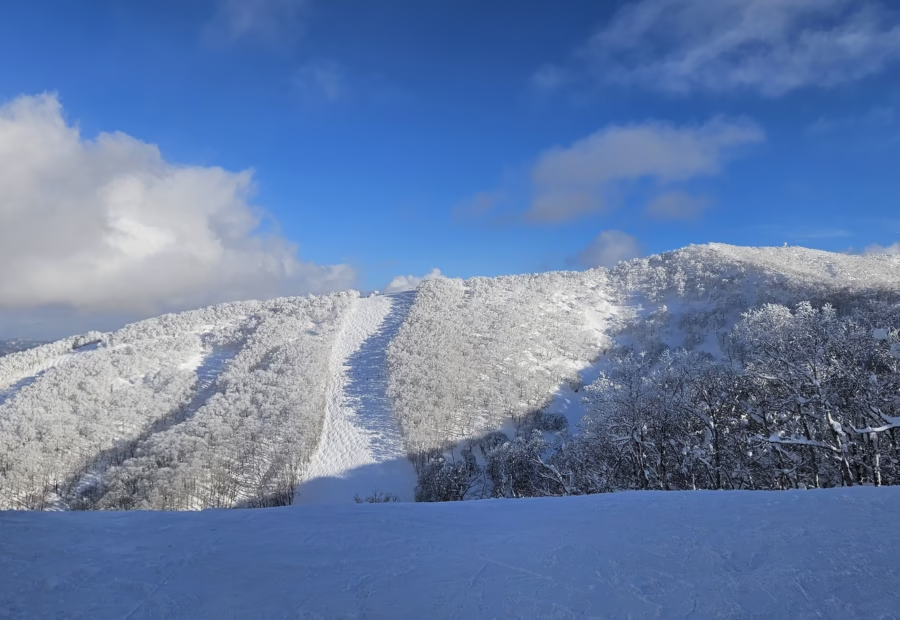
Winter is one of the most underrated seasons in Japan. In Tokyo, average January highs are about 10°C and lows about 1°C, with dry, sunny days and clear Mount Fuji views. Hotels are cheaper and tourist sights less crowded after the New Year holidays. Further north the picture changes completely: Sapporo has average January temperatures around minus 3°C and more than a metre of snowfall that month.
| Place | January weather | Highlights |
|---|---|---|
| Tokyo | about 1 to 10°C, sunny, dry | illuminations, Fuji views, onsen day trips |
| Kyoto and Osaka | similar to Tokyo, occasional snow in Kyoto | quiet temples, rare snow on golden pavilions |
| Sapporo and Hokkaido | about minus 6 to 0°C, lots of snow | Snow Festival, skiing, powder snow |
| Japan Alps and Nagano | very cold, heavy snow | skiing, snow monkeys, onsen villages |
| Okinawa | mild, around 15 to 20°C | winter escape, early cherry blossoms |
Winter is the season for skiing in Japan and Hokkaido powder, the Sapporo Snow Festival in February, the snow monkeys in Nagano and long soaks in onsen ryokan. In Tokyo, winter illuminations like Yomiuriland Jewellumination light up the evenings.
Winter Tips
- Pack layers; Japanese homes and some old ryokan are not well insulated, but trains and shops are heated.
- Heat packs (kairo) from convenience stores are cheap and very effective.
- Avoid the New Year period (around 29 December to 3 January), when many shops and museums close.
- Book ski resorts and Snow Festival hotels early.
- Expect early sunsets, around 4:30pm in Tokyo in December.
Indoor and winter activities in Tokyo:

Summer Heat: The Season Nobody Warns You About
Between the rainy season and typhoon season comes the real challenge: summer heat. Tokyo’s average August high is about 31°C, and recent summers often pass 35°C with high humidity. Drink a lot, plan outdoor sightseeing early in the morning and in the evening, and use air-conditioned museums, malls and trains in the middle of the day. The reward is fireworks, festivals and lively summer nights.
Which Season Should You Choose?
| Season | Pros | Cons |
|---|---|---|
| Rainy season | fewer tourists, lower prices, green landscapes, hydrangeas | humidity, cloudy views, rain |
| Typhoon season | summer festivals, warm sea | possible delays, heat, storms |
| Winter | sunny Tokyo, snow, skiing, onsen, lower prices | cold, short days, New Year closures |
For a broader overview, see my month-by-month guide to the best time to visit Japan and my Japan itinerary for 7, 10 and 14 days.
Find hotels with flexible cancellation for your dates:
What to bring for rain, heat and snow is in my Japan packing list.
Frequently Asked Questions About Rainy Season, Typhoons and Winter in Japan
Is it worth visiting Japan during the rainy season?
Yes. It rarely rains all day, cities and indoor sights are unaffected, prices are lower and crowds smaller. Just expect humidity and fewer clear mountain views.
When does the rainy season end in Tokyo?
Usually around mid to late July. The average end date is around 19 July, but it varies by year.
Does Hokkaido have a rainy season?
No, the Japan Meteorological Agency does not declare a rainy season for Hokkaido, which makes it a good early summer destination.
How dangerous are typhoons for tourists?
For most visitors, a typhoon means a day or two of heavy rain, wind and transport disruption. Follow official warnings, stay indoors when a strong typhoon passes and keep your plans flexible.
Which months have the most typhoons in Japan?
August and September. August has the most typhoons forming nearby, and September has the most landfalls on average.
Is Tokyo cold in winter?
It is cool but rarely extreme: daytime highs around 10°C and nights near freezing in January, usually with sunny, dry weather.
Does it snow in Tokyo?
Only occasionally, a few times per winter at most. For reliable snow, go to Hokkaido, Nagano, Niigata or Tohoku.
What should I pack for winter in Japan?
Warm layers, a good jacket, gloves and a hat for the north, and comfortable shoes. Buy heat packs at convenience stores. For Hokkaido, waterproof boots with grip are essential.
Final Thoughts
Rain, typhoons and cold are part of life in Japan, and none of them should stop you from going. Plan indoor options for rainy days, keep flexible time in typhoon season and pack warm clothes for winter. In return, you get fewer crowds, lower prices and a side of Japan many tourists never see.
Author

Get My Personal Travel Maps


Leave a Reply