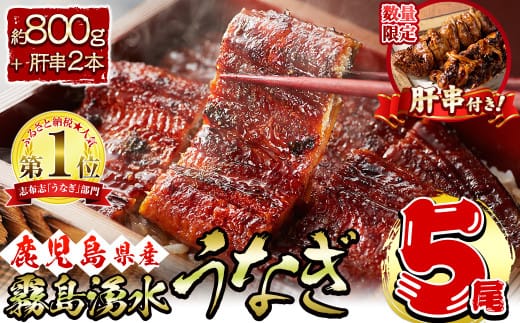
Japan offers a unique tax donation program called Furusato Nozei (ふるさと納税), often translated as the “Hometown Tax” system. Unlike traditional charitable donations, Furusato Nozei allows residents of Japan to redirect a portion of the local taxes they would already pay to a municipality of their choice anywhere in the country. In return, participants receive tax deductions that offset most of the donation amount while supporting regional communities across Japan.
Many people searching for information about Furusato Nozei want to know whether it is worth using, how the tax deductions work, whether foreigners can participate, and what kinds of gifts they can receive. The answer is that Furusato Nozei has become one of Japan’s most popular tax-saving programs because it combines financial benefits with the opportunity to support local communities and receive high-quality regional products in return.
The concept is particularly interesting because it creates a direct connection between taxpayers and local governments. Rather than seeing taxes disappear into a general system, participants can choose exactly which town, city, or village they want to support. Municipalities compete for donations by showcasing their local products, cultural heritage, and regional specialties, turning the program into a nationwide celebration of Japanese agriculture, craftsmanship, and food culture.
I have been exposed to Furusato Nozei through my girlfriend, who participates in the program every year. What started as a practical tax-saving exercise gradually became something we genuinely look forward to. Each year, we spend time browsing municipalities from Hokkaido to Kyushu, comparing their offerings and learning about places we previously knew very little about. The experience feels less like managing taxes and more like planning a culinary journey across Japan.
Most of the return gifts we choose are seasonal fruits. Over the years, boxes of premium peaches, grapes, pears, strawberries, and citrus fruits have arrived at our doorstep from different parts of the country. Many of these products come directly from farming communities that specialize in a particular crop and take enormous pride in their harvests. The quality is often noticeably higher than what we would typically buy in a supermarket, and the deliveries are timed to coincide with peak harvest season.
What I find most fascinating is that Furusato Nozei transforms an otherwise mundane tax obligation into a way of discovering Japan’s regional diversity. Through the program, we have learned about fruit-growing regions in Yamanashi, seafood-producing towns in Hokkaido, and rural communities that depend heavily on agriculture and tourism. Even without physically visiting these places, the products they send provide a small glimpse into their local identity and traditions.
From a foreign resident’s perspective, Furusato Nozei was one of the most surprising aspects of living in Japan. Coming from Switzerland, the idea that taxpayers could redirect part of their taxes, support a community of their choice, and receive local products in return seemed almost too good to be true. Yet the system has become an established part of Japanese life, with millions of residents participating every year. It is one of those rare government programs that manages to benefit taxpayers, local communities, and regional businesses at the same time.
What Is Furusato Nozei?

Furusato Nozei (ふるさと納税) is a unique Japanese tax donation system that allows residents to support municipalities anywhere in the country while receiving tax deductions and regional gifts in return. Often referred to as Japan’s “Hometown Tax” program, it was designed to help rural communities attract financial support from taxpayers who may live elsewhere.
Under the system, participants make donations to one or more municipalities of their choice. In exchange, most of the donation amount can be deducted from their income and resident taxes, subject to annual limits based on income and household circumstances. Many municipalities also send return gifts, known as henrei-hin (返礼品), as a way of thanking donors for their support.
These gifts have become one of the program’s most recognizable features. Depending on the municipality, donors may receive premium fruits, wagyu beef, seafood, rice, local sweets, household products, or traditional crafts that showcase the region’s specialties. For many participants, Furusato Nozei provides an opportunity to discover products and communities they might never otherwise encounter.
The program was introduced to address a growing imbalance between Japan’s large urban centers and its rural regions. As more people moved to major cities such as Tokyo and Osaka, smaller municipalities often experienced population decline, aging demographics, and shrinking tax revenues. Furusato Nozei was created to give these communities an additional source of funding while allowing taxpayers greater freedom in deciding where a portion of their taxes ultimately goes.
Today, millions of people participate in Furusato Nozei every year, making it one of Japan’s most successful regional revitalization initiatives. Beyond the tax benefits, many participants appreciate the connection it creates between consumers and local producers, helping them learn more about Japan’s diverse agricultural regions, fishing communities, and traditional industries.
Economic Reality: Is Furusato Nozei Really a Good Deal?
A useful economic concept to consider when evaluating Furusato Nozei is the principle known as “There Ain’t No Such Thing As A Free Lunch” (TANSTAAFL). The idea is simple: if something appears free, someone is paying for it somewhere within the system.
While participants often focus on the attractive return gifts, those gifts are not produced or delivered without cost. Municipalities must pay for the products themselves, shipping, marketing, platform commissions, and administrative work associated with managing donations. These expenses reduce the amount of money that ultimately reaches local government budgets.
Critics of Furusato Nozei argue that the system introduces inefficiencies because significant resources are devoted to attracting donors through increasingly competitive return gifts. They also point out that large cities, where many taxpayers actually live, can lose substantial tax revenue when residents redirect part of their taxes to other municipalities. Some urban governments have expressed concern that this reduces funding available for public services that those residents use every day.
Supporters, however, argue that Furusato Nozei provides benefits beyond simple tax redistribution. The program increases visibility for rural communities, supports local producers, encourages domestic consumption, and helps smaller municipalities compete for funding in a country where population decline is becoming an increasingly serious challenge. For many regions, Furusato Nozei has become an important source of revenue that might not otherwise exist.
The reality is that Furusato Nozei represents a trade-off rather than a free benefit. Participants receive tax deductions and regional products, while municipalities gain additional funding and exposure. Whether the system is economically efficient depends largely on how one values regional development, local business support, consumer choice, and administrative costs. Like many public policies, Furusato Nozei has both supporters and critics, making it one of the more fascinating aspects of Japan’s tax system.
Why Furusato Nozei Is So Popular in Japan

One of the biggest reasons Furusato Nozei has become so popular in Japan is the wide variety of return gifts available to donors. While the program’s primary purpose is to support municipalities and provide tax benefits, many participants are first drawn to the opportunity to receive high-quality regional products from across the country.
The experience often feels similar to online shopping. Participants browse municipalities throughout Japan, compare local specialties, and choose the products that interest them most. At the same time, they know that their donation is helping support the community they select. This combination of personal benefit and regional support has made Furusato Nozei one of Japan’s most successful public programs.
The range of Furusato Nozei gifts is surprisingly diverse. Depending on the municipality, donors can choose from premium wagyu beef, fresh seafood, seasonal fruits, locally grown rice, traditional sweets, household products, travel vouchers, and even unique cultural experiences. Some municipalities specialize in famous regional products, while others highlight local industries that might otherwise receive little national attention.
My girlfriend has participated in Furusato Nozei for several years, and through her I have been able to experience many of these gifts firsthand. One of our favorite orders was a box of strawberries from Fukuoka Prefecture. Fukuoka is famous throughout Japan for producing exceptionally sweet strawberries, and the quality fully lived up to its reputation. The fruit arrived carefully packaged, perfectly ripe, and noticeably fresher than what we would normally purchase at a supermarket. Beyond the strawberries themselves, it felt rewarding to know that our donation was helping support local farmers and agricultural communities.
What makes Furusato Nozei particularly appealing is that it creates a connection between consumers and producers. Rather than purchasing anonymous products through a large retailer, donors gain insight into the communities, farmers, fishermen, and artisans behind the items they receive. Many participants discover new regions of Japan through the program and develop an appreciation for local industries they previously knew little about.
The popularity of Furusato Nozei is also linked to its broader economic purpose. The system was introduced to help municipalities facing challenges such as population decline, aging demographics, and shrinking tax revenues. By encouraging residents to support regional communities through donations, the program helps generate additional income for local governments while promoting regional products to a nationwide audience.
For many people, Furusato Nozei offers the best of both worlds. Taxpayers gain tax deductions and receive products they genuinely enjoy, while municipalities gain financial support and greater visibility. This balance of personal benefit, regional revitalization, and cultural discovery explains why millions of residents participate in Furusato Nozei every year and why it remains one of the most distinctive features of Japan’s tax system.
Benefits of Furusato Nozei
Support Regional Development
One of the primary goals of Furusato Nozei is to support municipalities that face challenges such as population decline, aging demographics, and shrinking tax revenues. Donations help local governments fund public services, maintain infrastructure, support educational programs, and invest in community development projects. For many rural towns and villages, Furusato Nozei has become an important source of funding that helps sustain local services and improve residents’ quality of life.
Receive Unique Local Gifts
A major attraction of Furusato Nozei is the opportunity to receive regional specialties as return gifts. Depending on the municipality, donors may receive premium wagyu beef, fresh seafood, seasonal fruits, locally produced rice, traditional sweets, household products, or handcrafted goods. These gifts showcase the unique products and industries of each region, allowing participants to experience different parts of Japan from their own homes.
Benefit From Tax Deductions
Furusato Nozei is not simply a donation program. Eligible participants can receive deductions on their income tax and resident tax, subject to annual limits based on income and household circumstances. While an individual contribution is still required, the tax benefits significantly reduce the effective cost of participation, making the program attractive for many taxpayers.
Choose Where Your Money Goes
Unlike ordinary tax payments, Furusato Nozei gives residents greater control over where a portion of their tax contributions ultimately ends up. Donors can select municipalities that align with their personal interests or values, whether that involves supporting agricultural communities, disaster recovery efforts, environmental conservation projects, educational programs, or cultural preservation initiatives. This sense of choice and direct impact is one of the reasons many participants find the program particularly rewarding.
Discover Japan’s Regional Diversity
An additional benefit that is often overlooked is the opportunity to learn about different parts of Japan. Through the municipalities and products featured on Furusato Nozei platforms, participants can discover local industries, regional traditions, and communities they may never have encountered otherwise. Many donors develop a deeper appreciation for Japan’s cultural and economic diversity through the program.
How to Use Furusato Nozei: Step-by-Step Guide
If you’re wondering how Furusato Nozei works in practice, the process is surprisingly straightforward. Most people can complete everything online in just a few steps.
1. Calculate Your Donation Limit
Before making a donation, it is important to estimate your annual Furusato Nozei limit. The maximum amount you can donate while receiving the full tax benefit depends on factors such as your income, household situation, and deductions. Most Furusato Nozei platforms provide free calculators that can help estimate your recommended donation amount.
2. Choose a Municipality
Next, select the municipality you would like to support. You are free to choose communities anywhere in Japan, regardless of where you live. Some people choose locations they have visited, while others select municipalities based on their return gifts or specific projects such as education, disaster recovery, environmental protection, or cultural preservation.
3. Select Your Return Gift
One of the most enjoyable parts of the process is browsing the available return gifts. Municipalities offer a wide variety of regional specialties, including wagyu beef, seafood, fruits, rice, sweets, household products, and local crafts. Many donors use Furusato Nozei as an opportunity to discover products from different parts of Japan.
4. Make Your Donation
Donations can usually be completed online through major Furusato Nozei platforms. Popular services include Furusato Choice, Rakuten Furusato Nozei, and Satofull. The process is similar to online shopping, allowing users to browse products, select donation amounts, and complete payment securely through the website.
5. Receive Your Donation Receipt
After your donation is processed, the municipality will send you an official receipt. This document is important because it serves as proof of your donation and is required when claiming your tax deduction.
6. Apply for Your Tax Deduction
There are two main ways to receive the tax benefit.
The first option is the One-Stop Special Exception System, which is designed for people who do not normally file an annual tax return. The second option is to include the donation when filing your annual tax return, known as a kakutei shinkoku (確定申告).
Once processed, the donation amount is reflected through income tax and resident tax deductions, subject to your eligible limits.
7. Enjoy Your Return Gifts
Depending on the municipality and product selected, your return gifts may arrive within a few weeks or during the relevant harvest or production season. Many participants look forward to receiving regional specialties throughout the year, making Furusato Nozei feel less like a tax procedure and more like a way to explore Japan’s diverse local products and communities.
Furusato Nozei Eligibility and Donation Limits
Most residents of Japan who pay resident tax (juminzei) are eligible to participate in Furusato Nozei. Eligibility is based primarily on your tax status rather than your nationality, meaning that both Japanese citizens and many foreign residents can take advantage of the program if they pay taxes in Japan.
One important factor to understand is that there is a maximum donation amount that qualifies for the full tax benefit. This limit varies depending on your annual income, family situation, spouse status, dependents, and other deductions. As a result, two people with different incomes may have very different Furusato Nozei limits.
Most Furusato Nozei websites provide free calculators that estimate your recommended donation amount. Using one of these tools before making a donation is highly recommended, as donating beyond your eligible limit may reduce the tax advantages of the program.
Taxpayers who do not normally file an annual tax return can often use the One-Stop Special Exception System (One-Stop Tokurei Seido). This simplified process allows eligible participants to receive their tax deductions without filing a full tax return, provided certain conditions are met and the required paperwork is submitted to the municipalities receiving the donations.
Individuals who already file an annual tax return, such as many self-employed workers or those with more complex tax situations, can claim their Furusato Nozei deductions through their annual tax filing process (kakutei shinkoku).
Because tax rules can change and individual circumstances vary, it is always a good idea to verify your donation limit using an official calculator or consult a tax professional if you are unsure about your eligibility or deduction amount.
My Personal View on Furusato Nozei
While I understand why Furusato Nozei is popular and appreciate the opportunity it gives people to discover regional products, I personally have mixed feelings about the system from an economic perspective.
As someone who grew up in Switzerland, I tend to view taxation as something that should be collected and distributed as efficiently as possible. Furusato Nozei introduces multiple additional layers into that process. Municipalities spend money on marketing campaigns, online platforms earn commissions, products need to be packaged and shipped across the country, and administrative staff must manage the entire donation process. All of these activities create costs that would not exist if tax revenue were simply redistributed directly through the government’s budgeting system.
From my perspective, the same amount of tax revenue could potentially reach local communities more efficiently if the government allocated funds directly behind the scenes. Instead of paying for advertising, packaging, logistics, and platform fees, a larger share of the money could go directly toward public services, infrastructure, education, or community projects.
Of course, supporters of Furusato Nozei would argue that these additional costs are justified because the system promotes local businesses, increases awareness of regional products, and gives taxpayers more choice over where their money goes. I can understand that argument, and it is one of the reasons the program has remained so successful.
Personally, however, I tend to see Furusato Nozei as a trade-off between efficiency and engagement. The program succeeds at connecting taxpayers with local communities, but I suspect the overall system is more expensive than a simpler tax redistribution model would be. That does not mean Furusato Nozei is a bad program, but it is one reason why I find it such an interesting and uniquely Japanese approach to taxation.
Popular Furusato Nozei Destinations and Return Gifts
One of the reasons Furusato Nozei has become so successful is the incredible diversity of products available through participating municipalities. Every region of Japan has something unique to offer, whether it is seafood from the north, tropical fruits from the south, premium wagyu beef, or centuries-old craft traditions. As a result, many people choose their donations based on the products they want to receive, while others select municipalities they have visited or would like to support.
Hokkaido
Hokkaido is one of the most popular Furusato Nozei destinations in the country. Known for its cold climate and abundant natural resources, the region offers premium seafood such as crab, scallops, salmon, and sea urchin. Donors can also choose high-quality dairy products, cheese, butter, and the famous Yubari melons, which are considered among Japan’s most luxurious fruits.
Miyazaki Prefecture
Miyazaki is famous for producing some of Japan’s best wagyu beef and tropical fruits. Many donors specifically select Miyazaki for its award-winning beef, while others are attracted by its premium mangoes, which are often sold as luxury gifts throughout Japan.
Shizuoka Prefecture
Located between Tokyo and Nagoya, Shizuoka is Japan’s leading producer of green tea. Popular Furusato Nozei gifts include premium tea leaves, matcha products, and local seafood. The prefecture is also known for its high-quality unagi (eel), making it a favorite destination for food lovers.
Okinawa Prefecture
Okinawa offers a completely different experience from mainland Japan. Its subtropical climate allows farmers to produce mangoes, pineapples, dragon fruit, and other tropical fruits. Donors can also choose Okinawan pork products and local specialties that reflect the islands’ unique culture and cuisine.
Yamanashi Prefecture
Yamanashi is one of Japan’s most famous fruit-producing regions. The prefecture is particularly known for peaches and grapes, which regularly rank among the most sought-after Furusato Nozei gifts. During harvest season, many participants eagerly wait for deliveries of freshly picked fruit from local farms.
Fukuoka Prefecture
Fukuoka has become increasingly popular thanks to its agricultural products. The prefecture is famous for producing exceptionally sweet strawberries and offers a wide range of fruit-related return gifts. Seafood and local food products are also common choices among donors.
Kagoshima Prefecture
Kagoshima is known for its black pork, wagyu beef, sweet potatoes, and tea production. Many Furusato Nozei participants choose Kagoshima specifically for its meat products, which are widely regarded as some of the best in Japan.
Niigata Prefecture
Rice lovers often gravitate toward Niigata. The prefecture is famous for producing some of Japan’s highest-quality rice, particularly Koshihikari varieties. Sake enthusiasts also appreciate Niigata’s long brewing tradition and excellent water sources.
Aomori Prefecture
Aomori is best known for apples and apple-based products. The prefecture produces more apples than any other region in Japan, making it a popular choice for donors seeking fresh fruit, juices, jams, and seasonal agricultural products.
Kyoto Prefecture
While Kyoto is often associated with temples and traditional culture, it also offers a variety of premium return gifts. Donors can find matcha products, traditional sweets, handcrafted items, and locally produced foods that reflect the region’s rich cultural heritage.
Beyond the Gifts
Although return gifts receive most of the attention, many donors choose municipalities for personal reasons. Some support regions recovering from natural disasters, while others donate to communities they have visited during their travels. Certain municipalities even allow donors to direct their contributions toward specific projects, such as education, environmental conservation, childcare support, or cultural preservation.
This flexibility is one of the most distinctive aspects of Furusato Nozei. Rather than simply paying taxes, participants can decide which communities they want to support and gain a deeper appreciation for Japan’s regional diversity in the process.
Conclusion: Is Furusato Nozei Worth It?
Furusato Nozei is one of the most unique aspects of Japan’s tax system. It allows residents to support municipalities anywhere in the country while receiving tax deductions and regional products in return. For many participants, it provides an opportunity to discover local specialties, learn about different regions of Japan, and contribute to communities that may be struggling with population decline and shrinking tax revenues.
The program’s popularity is easy to understand. Whether you are interested in premium wagyu beef, fresh seafood from Hokkaido, seasonal fruits from Yamanashi, or supporting a municipality you have personally visited, Furusato Nozei gives taxpayers a level of choice that is rarely found in traditional tax systems.
At the same time, Furusato Nozei is not without criticism. The system relies on return gifts, marketing campaigns, shipping networks, and administrative processes that all create additional costs. Critics argue that a more direct redistribution of tax revenue could potentially achieve similar goals with greater efficiency. Personally, I find this argument compelling and believe that the overall system likely costs more than a simpler government allocation model would.
Despite these concerns, Furusato Nozei has successfully connected taxpayers, local businesses, and municipalities in a way that few public programs have managed to achieve. Rather than viewing it as a way to get “free” products, I think it is more accurate to see it as a trade-off. Participants receive products and tax benefits, municipalities receive funding and exposure, and local producers gain access to customers across Japan.
Whether Furusato Nozei is worth it ultimately depends on what you value most. If your goal is to maximize economic efficiency, you may share some of the criticisms discussed in this article. If you enjoy supporting regional communities, discovering local products, and having greater control over where a portion of your taxes goes, Furusato Nozei can be a rewarding experience. Either way, it remains a fascinating example of how Japan approaches regional development and taxpayer engagement.