Kyoto, once the capital of Japan, is a city known for its deep cultural heritage, beautiful temples, and quiet garden landscapes. It is a place where history feels alive, and where every street and building reflects centuries of tradition. Whether you are wandering through bamboo groves, sitting beside a tranquil pond, or watching sunlight pass through the wooden beams of an old shrine, Kyoto invites you to slow down and appreciate the details that make Japan so unique.
At the same time, Kyoto can sometimes feel overwhelming. Many of its most famous attractions have become crowded, commercialized, or affected by heavy tourism. Long lines and packed pathways can take away from the peaceful atmosphere that originally made the city famous. Over several visits, I learned that the real magic of Kyoto is found in the quieter corners, where you can experience authentic culture without the noise and stress of large crowds.
To help you discover this side of the city, I put together a list of my 4 Favorite Locations in Kyoto. These are places where the spirit of Kyoto truly shines. They offer a sense of serenity, cultural depth, and natural beauty that remains untouched by mass tourism. Each location taught me something about Kyoto’s identity, whether through traditional craftsmanship, historical architecture, or the calming presence of nature.
If you want to explore Kyoto beyond the typical tourist spots, and if you are looking for meaningful experiences that stay with you long after your trip ends, these four locations will guide you toward the more authentic and peaceful side of this historic city.
Cheapest Hotels in Kyoto
1. Fushimi Inari Taisha – The Path to the Gods

Fushimi Inari Taisha, with its endless line of iconic red torii gates, is one of Kyoto’s most recognizable and beloved landmarks. It sits at the base of Mount Inari and is dedicated to Inari, the Shinto deity of rice, prosperity, and good fortune. Most people know it for the thousands of gates that create a striking tunnel of red, but the true beauty of this shrine becomes clear only when you move beyond the crowded entrance and begin your journey up the mountain.
While many visitors stop near the base to take a few photos, the real experience begins once you start climbing. The hike to the top can take around 1.5 hours, and the path gradually leads you deeper into the forest. As you climb, the atmosphere changes noticeably. The noise fades, birds become louder, and smaller shrines appear along the way, each carrying its own history and spiritual meaning. From an E-E-A-T perspective, the historical significance of Fushimi Inari is immense. It dates back to the early 700s and has been an active place of worship ever since, making it one of Japan’s most culturally important Shinto shrines.
The hike itself is not easy. For those who are not used to walking long distances or uphill paths, it can feel challenging. There are steep sections, long stairways, and no shortcuts. However, what you get in return is something many tourists never experience: quiet pathways, cool mountain air, and stretches of torii gates with nearly no one around. It is one of the few places in Kyoto where the popular image of solitude among endless red gates actually becomes real.
During my own visit, I noticed something interesting. Most American tourists remained near the entrance, choosing to take a few quick selfies before moving on to their next destination. This creates a natural filter. If you are willing to put in the effort and continue climbing, you suddenly step into a completely different world. The crowds disappear, and the torii gates become part of a peaceful spiritual journey rather than a photo backdrop. It felt like discovering a hidden version of Fushimi Inari that most people never take the time to see.
Walking to the summit gave me a deep appreciation for the shrine, not just visually but culturally and historically. It helped me understand why Fushimi Inari has been a sacred place for more than a thousand years. Reaching the top felt rewarding, not only for the view but also for the sense of calm that comes from experiencing one of Kyoto’s most famous sites in its purest form.
2. Kinkaku-ji – The Golden Temple
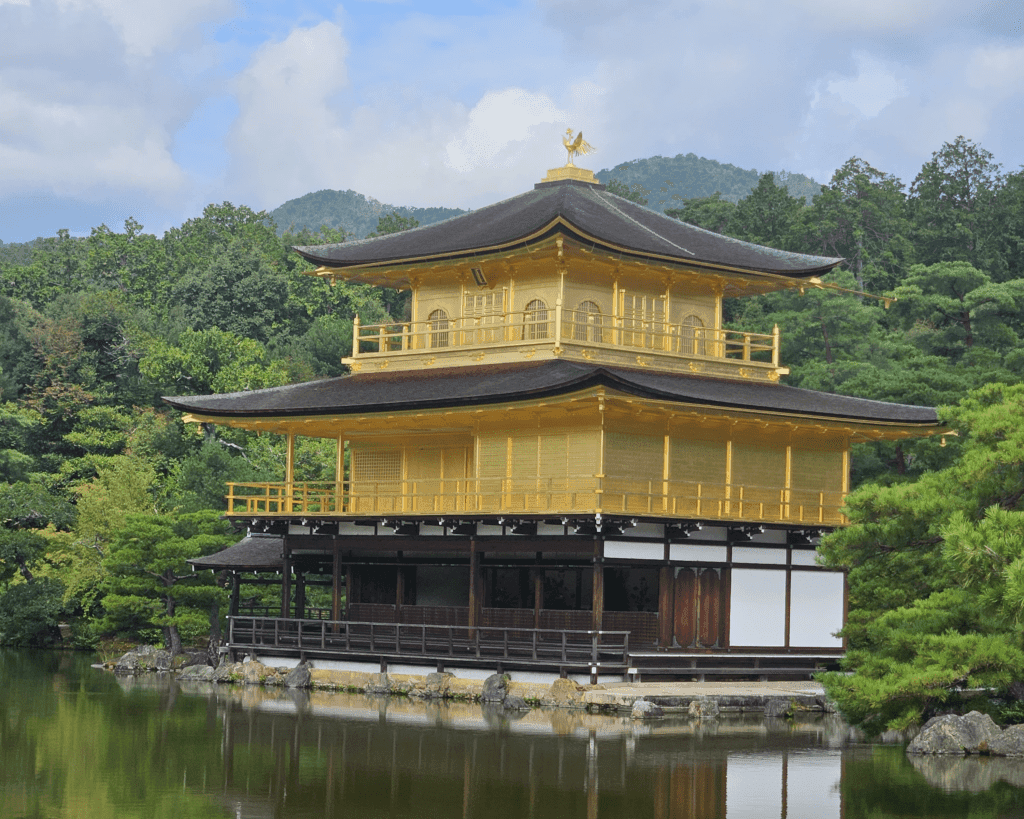
Kinkaku-ji, also known as the Golden Pavilion, is without a doubt one of Kyoto’s most iconic and visually striking landmarks. Its shimmering gold exterior, set against a calm pond and lush greenery, creates a scene that looks almost unreal. Photographs capture its beauty well, but seeing the pavilion in person is still impressive. The reflection on the water, the delicate balance of the garden design, and the historical significance of the site all come together to create a powerful first impression.
However, the experience of visiting Kinkaku-ji is very different from what its serene appearance suggests. The temple is one of Kyoto’s busiest attractions, and it often receives large groups of tourists throughout the day. The walking path around the temple is narrow and strictly one-way, which means you move in a steady line without much freedom to stop. Instead of quietly taking in the scenery, you are often gently pushed forward by the flow of the crowd. For many visitors, this creates a sense of pressure and reduces the feeling of tranquility that the temple’s atmosphere promises.
From a cultural and historical perspective, Kinkaku-ji is incredibly important. It dates back to the 14th century and represents the power and artistic vision of the Ashikaga shogunate. Understanding this background adds depth to the visit, but even so, the setting makes it difficult to connect with the temple on a deeper emotional level. You cannot sit by the pond, you cannot wander freely, and you cannot spend time absorbing the details of the architecture or the surrounding garden.
During my visit, I found the beauty of the pavilion breathtaking, yet the overall experience felt rushed and somewhat disconnected. It was clear that Kinkaku-ji functions more like a must-see checkpoint for many travelers, rather than a place for quiet reflection. If you are looking for a spiritual or contemplative temple visit, there are other locations in Kyoto that offer a much calmer and more enriching atmosphere.
Temples such as Nanzen-ji, Daikaku-ji, or even smaller local shrines allow visitors to walk at their own pace, sit down, listen to the wind in the trees, and genuinely connect with Kyoto’s cultural roots. Kinkaku-ji is absolutely worth seeing for its stunning design, but if you want a meaningful or meditative temple experience, exploring some of Kyoto’s less tourist-heavy sites will give you a far deeper appreciation of the city’s heritage.
3. Gion – The Heart of Geisha Culture
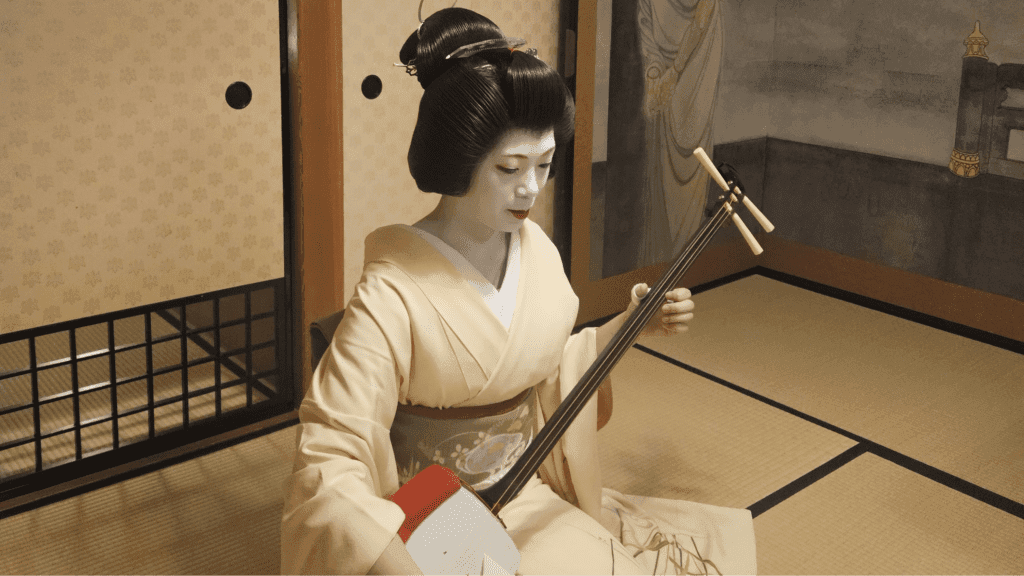
If you are in Kyoto and want to experience a true taste of traditional Japan, Gion is one of the best places to visit. This famous district is known for its preserved wooden streets, elegant teahouses, and of course its long history connected to Geisha and Maiko culture. As soon as you step into Gion, you notice how different it feels from the modern parts of Kyoto. The narrow alleys, soft lantern lights, and old wooden facades create an atmosphere that feels timeless.
Walking through Gion’s streets often feels like stepping into a living postcard. You might hear the soft tap of wooden geta sandals on the stone pavement before you even see anyone. Then, suddenly, a Maiko or Geisha appears, dressed in a beautifully patterned kimono, her face painted white with delicate red and black accents. Her hair is styled with ornate combs and seasonal decorations that reflect centuries-old traditions. Seeing this in person is unforgettable and a reminder of how carefully Kyoto preserves its cultural identity.
From an E E A T perspective, Gion is one of the most important cultural districts in Japan. It has served as a center for traditional performing arts, tea ceremony, and high-level hospitality for hundreds of years. Many teahouses in Gion continue to follow these customs today, where Geiko (Kyoto’s term for Geisha) entertain guests with refined dance, music, and conversation. Even if you do not attend a performance, simply observing the environment teaches you a lot about Kyoto’s artistic heritage.
During my visit, what struck me most was the contrast between the quiet, almost mystical atmosphere of the back alleys and the occasional clusters of curious tourists near the main streets. If you wander just a little off the main path, you find peaceful corners where the charm of old Kyoto feels untouched. The soft glow of lanterns, the scent of incense drifting from shrines, and the gentle sounds of evening make Gion a place where you naturally slow down.
For anyone interested in history, culture, or photography, Gion offers a chance to experience a side of Japan that still follows centuries-old traditions. It is one of Kyoto’s most meaningful districts to explore, especially if you want to understand the true essence of the city.
A visit to Gion offers more than just sightseeing. I had the unique opportunity to book a Geisha experience for an hour, which was a fascinating, albeit expensive, experience. The cost was high, but it was worth it to learn about the history and intricacies of Geisha culture, even just for a brief time. A Geisha isn’t just an entertainer; she is a symbol of grace, art, and tradition.

In the past, Geishas were highly trained in various traditional Japanese arts, such as tea ceremony, calligraphy, and dance, and were respected members of society. Today, however, Geishas are fewer in number, with only a handful of women entering the profession each year. In the past, many assumed Geishas were akin to prostitutes, but this couldn’t be further from the truth. Geishas, or ‘Oiran’ in the Edo period, did not offer sexual services — their role was to entertain and cultivate art, making them revered as artists in their own right.
This distinction is crucial when discussing Geishas today. While the profession has evolved, it remains a symbol of high culture and is an important aspect of Kyoto’s cultural heritage. In Gion, the Geishas carry on the tradition, and their elegance is something to behold. It’s not something to be taken lightly, and a visit to this part of Kyoto can provide a profound understanding of Japanese culture.

However, it’s important to recognize that the Geisha world is not open to everyone. The experience is expensive, and many of the establishments where you can meet a Geisha are exclusive to wealthy individuals. Still, visiting Gion is worth it, even if you don’t experience it firsthand, as the neighborhood is full of charm and history.
4. The Bamboo Forest – A Quick Stop, But Not a Must-See

The Bamboo Forest in Arashiyama is one of Kyoto’s most photographed locations, and it is easy to understand why. The tall bamboo stalks rising straight toward the sky create a striking visual effect, and the soft rustling of the leaves can feel calming when the path is empty. However, during my visit, I found the experience to be quite underwhelming. The main walkway is almost always crowded, even early in the morning, and the flow of people makes it hard to stop, breathe, and enjoy the natural beauty around you. The forest itself is beautiful, but the constant movement of tourists takes away the peaceful atmosphere that many visitors expect from such a place.
From a nature and cultural perspective, the forest is interesting, but the overall visit feels more like a quick photo stop than a meaningful experience. The density of the bamboo does create stunning images, but the sense of serenity that Kyoto is known for is difficult to find here. During my walk, I kept wishing for a quieter moment where I could simply stand still and listen to the wind move through the bamboo. Unfortunately, the crowds made that almost impossible.
In my opinion, if you want a nature-based activity that actually allows you to enjoy the fresh air and feel a real connection to the environment, it is far better to head to the nearby Monkey Mountain in Arashiyama. This spot is often overlooked by tourists who rush to the Bamboo Forest, yet it offers a much more rewarding experience.
The hike up Monkey Mountain is manageable for most people, and it takes you through peaceful forest paths without the constant noise of large tour groups. Once you reach the top, the view is breathtaking. You can see the city of Kyoto stretching out below you, surrounded by green mountains and the Katsura River winding through the landscape. It is one of the best panoramic viewpoints in the entire city.
On top of that, the mountain is home to a troop of wild macaques. Watching them interact, relax in the sun, or wander freely adds a unique and fun element to the visit. Unlike the Bamboo Forest, where the experience is mostly visual and crowded, Monkey Mountain offers natural beauty, wildlife encounters, and a sense of calm that stays with you long after the visit.
For anyone visiting Arashiyama, I strongly recommend prioritizing the mountain over the forest if your goal is to enjoy nature, peaceful scenery, and a more authentic outdoor experience. It is a far better use of your time and leaves you with memories that feel much more personal and meaningful.
Final Thoughts about my 4 favorite locations in Kyoto
Kyoto is a city shaped by centuries of history, deep cultural traditions, and remarkable natural scenery. It is a place where ancient temples stand quietly beside rivers and where traditional neighborhoods preserve the elegance of a time long gone. While some well-known attractions can feel crowded or commercialized, Kyoto still holds countless hidden corners that reveal its true character. When you take the time to look beyond the surface, the city becomes an incredibly rewarding destination.
Understanding the stories behind Kyoto’s temples, gardens, and districts can completely transform your visit. Learning about the significance of places like Fushimi Inari, the rituals of the Geiko and Maiko culture in Gion, or the artistic traditions preserved in workshops across the city adds a depth that goes far beyond sightseeing. The more you explore these cultural layers, the more Kyoto opens itself to you.
Whether you are observing the grace of the Geisha culture in Gion or enjoying the quiet beauty of the mountains in Arashiyama, Kyoto offers a rare connection to Japan’s past. Even though some popular spots may feel rushed, there are many places where you can slow down, breathe, and appreciate the city’s timeless charm. It is in these quieter moments that Kyoto reveals its gentle rhythm and peaceful spirit.
If you allow yourself to wander, explore smaller temples, and seek out lesser-known paths, you will experience Kyoto in a more personal and meaningful way. The city rewards curiosity and invites reflection, making every visit feel unique. And if you ever feel overwhelmed by crowds, you can look toward one of the small Kyotos, places that carry echoes of Kyoto’s cultural spirit at a slower pace. Kanazawa is one such example, offering preserved districts, refined craftsmanship, and a calm atmosphere that complements any journey through Japan. Kyoto is not just a destination. It is a journey into the heart of Japan’s cultural heritage, and its beauty stays with you long after you leave.
I also recommend to eat Daifuku in Kyoto.
Author

Get My Personal Travel Maps
Keep Reading: More Articles You’ll Love
 Kyoto Family Itinerary: 3 Days of Temples, Food & Hidden Gems
  Is Japanese Food Actually Chinese? The Surprising Origins of Japanese Cuisine
  Japan Travel Myths vs Reality: What Tourists Still Get Wrong About Japan
  A Night at Tantra Tokyo: Burlesque, Glamour & Unexpected Surprises
  Living in Japan vs Korea – The Ultimate Expat Guide
  Japanese Tea Ceremony: The Complete Guide to History, Tea Sets, Etiquette, and Where to Experience It
  My First 30 Days in Tokyo: Essential Administrative Steps for International Students


Leave a Reply