
Shirakawa-go, nestled deep in the mountains of Gifu Prefecture, is one of Japan’s most picturesque and culturally important villages. It is famous for its traditional gassho-zukuri farmhouses with steep, thatched roofs built to withstand heavy winter snow. The village is a UNESCO World Heritage site and offers an authentic look into Japan’s rural past, where community life and old traditions are still visible today.
September is an excellent time to visit. The surrounding mountains remain lush and green after the summer season, creating a vivid and calming backdrop for the dark wooden houses. Temperatures begin to cool, which makes it comfortable to walk through the village’s narrow paths, explore small shrines, and enjoy the view from the Shiroyama Observatory. The rice fields begin to shift from bright green toward golden tones that signal the early stages of harvest, adding an extra layer of seasonal charm.
Beyond the scenery, Shirakawa-go offers meaningful cultural experiences. Visitors can explore historic farmhouses, learn about the local way of life, and see how communities adapted to the challenges of an isolated mountain environment. Whether you choose to wander slowly through the village, try local dishes such as Hida beef or mountain vegetables, or relax and enjoy the peaceful rhythm of daily life, September in Shirakawa-go offers a unique combination of beauty, history, and tranquility.
The Beauty of Shirakawa-go in September

When we visited Shirakawa-go in September, the first thing that overwhelmed us was the intensity of the greenery. It was not just green fields and a few trees. It was a full landscape soaked in deep, vivid shades of green that seemed to glow in the daylight. The rice fields were moving gently in the wind, almost like slow waves, and they were bordered by dense forests that climbed up the mountains on every side. The mountains created a dramatic frame around the village, and the mist that hung in the distance added a quiet, almost mystical feeling. It truly felt like stepping into a landscape painting where every direction revealed another perfect scene. We kept stopping just to look around because the scenery never stopped being impressive.
Walking deeper into the village, the famous gassho-zukuri farmhouses immediately stood out. Their steep, thatched roofs looked powerful and sturdy, and it became clear why they are built this way once you think about the heavy winter snow the region receives. The architecture is practical, but it is also incredibly beautiful. The dark wooden frames, the natural thatch, and the surrounding fields blend together so well that the houses look like they belong to the land rather than being placed on top of it. As we explored, it almost felt like the farmhouses had grown out of the earth over centuries and shaped themselves according to the environment. That sense of harmony between nature and human life is something I rarely feel in modern cities.
Another insight that stood out to me was how peaceful everything was. There was no noise except for the wind, the flowing river, and the occasional footsteps of other visitors. It made us slow down without even trying. I also noticed how carefully the village is maintained. You can see the pride of the locals in the way the houses are preserved, the fields are cared for, and the paths are kept clean. It is not just a tourist attraction. It is a living community with traditions that continue to this day. Watching the villagers work in the fields or tend to their homes reminded me that this place is not only beautiful from the outside but also meaningful for the people who live here.
By the time we reached the famous viewpoints, especially the one near the Shiroyama Observatory, we realized just how unique Shirakawa-go really is. Seeing the village from above made the landscape look even more like a storybook. The blend of nature, tradition, and calm atmosphere left a deep impression on me. Visiting in September made everything feel alive and vibrant, and it gave us a chance to experience the village at its most colorful and peaceful.
September is an ideal time to visit because the village is not as crowded as it becomes in winter when many tourists arrive to see the famous snow-covered rooftops. The greenery and the gentle warmth of the early autumn sun made our visit even more enjoyable. We were able to walk through the village at a relaxed pace and enjoy the quiet atmosphere without feeling rushed. Every corner offered a new photo opportunity, and we could stop whenever something caught our attention.
One detail that stood out to me, and which often gets overlooked, is how the local farmers prepare the rice fields during this period. The fields are in their final growing stage before the harvest begins in late September and early October. You can actually see the subtle change in color as the rice plants start shifting from bright green to a softer, golden tone. This transition is something you do not experience if you visit in summer or winter, and it reveals how closely the seasons shape life in Shirakawa-go. Observing these small agricultural details gave me a deeper appreciation for the rhythm of rural Japan, and it helped me understand why September is considered by many travel experts to be one of the most naturally beautiful moments in the entire region.
Experiencing the Local Cuisine: Deer Meat
One of the highlights of our trip to Shirakawa-go was the chance to try the local cuisine, especially the deer meat. Deer hunting has been part of life in this region for many generations, and venison remains a true local specialty. It appears in several forms, from grilled dishes to jerky, and even as a filling in steamed buns.
We tried a deer bun at the small shop near the viewpoint you reach after climbing the hill. The walk up is already rewarding because the higher you go, the clearer the view becomes, but discovering that they sell freshly steamed deer buns at the top felt like a bonus. The bun was warm, soft, and filled with tender venison mixed with lightly seasoned vegetables. The flavor was rich and slightly gamey with a natural earthy depth that paired perfectly with the sweetness of the dough. It was simple, comforting, and surprisingly filling.
For me it also triggered a sense of familiarity. Deer meat is eaten often in Switzerland, especially during the autumn game season, so the flavor reminded me of home and traditional meals I grew up with. Eating something so familiar in a remote Japanese mountain village made the moment feel special and personal.
It is also fascinating how differently deer are viewed across Japan. In Nara they are treated almost like sacred animals because of their historic connection to Shinto traditions, and visitors feed them as they wander freely through the parks (Japanese have a very unique way of interpreting animal rights 😊). Yet in many rural areas, deer are hunted and eaten as part of local custom. This contrast shows how diverse Japanese culture can be and how strongly regional traditions influence daily life.
The dish was not only delicious but also a reflection of the village’s connection to its natural surroundings. In Shirakawa-go, the locals have a deep respect for nature, and much of their cuisine is influenced by the ingredients available in the area. The use of deer meat highlights the village’s commitment to using local, seasonal ingredients that have been part of the region’s culinary traditions for centuries.
A Timeless Experience
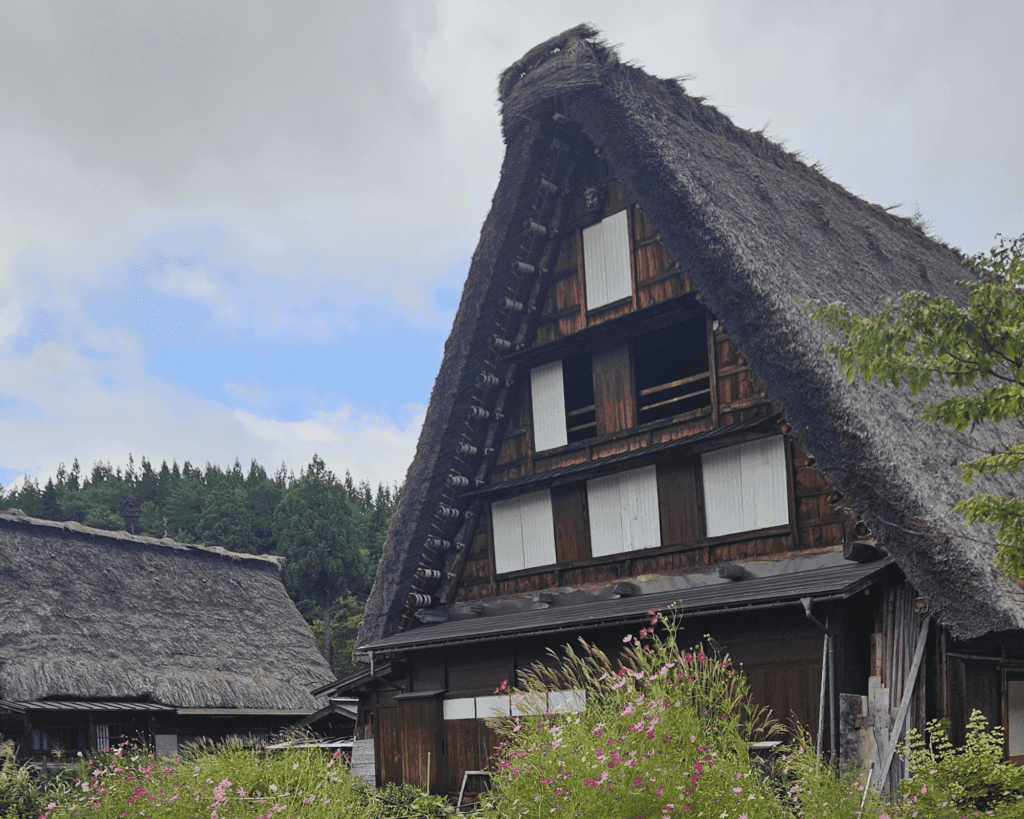
What makes Shirakawa-go so special is not just its beauty, but also the sense of timelessness that pervades the village. The traditional gassho-zukuri farmhouses have stood for centuries, weathering the seasons and providing shelter to generations of villagers. The landscape, with its lush greenery in the summer and snowy vistas in the winter, has remained largely unchanged, offering visitors a rare opportunity to step back in time.
While modern life continues to evolve in Japan’s larger cities, Shirakawa-go remains a place where the rhythms of nature dictate the pace of life. Visiting this village feels like stepping into a simpler, more peaceful world, where the connection to nature is still strong, and traditions are respected and preserved.
Conclusion
Shirakawa-go in September offers one of the most memorable seasonal experiences in central Japan. The village’s steep thatched-roof farmhouses sit against a backdrop of deep green mountains, and the clear early-autumn light brings out details in the landscape that often go unnoticed during busier seasons. Walking through the village, you can hear the quiet flow of the river and observe the slower rhythm of daily life that defines this rural community.
Local food adds another layer to the visit. Simple regional dishes, including the deer bun sold at the hilltop viewpoint, reflect long-standing traditions shaped by the area’s climate and farming practices. These small encounters give travelers a better sense of how people here have lived and adapted for generations.
Shirakawa-go also fits naturally into a wider trip through the region. Many travelers combine a morning or afternoon in the village with time in Takayama, which offers preserved streets, local markets, and access to the surrounding mountains. From there, it is an easy journey to Kanazawa, known for its gardens, samurai districts, and strong cultural heritage. Together, the three destinations create a well-rounded route through the Japanese Alps.
For anyone seeking a quieter and more reflective escape, Shirakawa-go provides a refreshing counterpoint to Japan’s major cities. The scenery, food, and culture leave a lasting impression and offer a meaningful look at rural life that stays with you long after you return home.
Author
Get My Personal Travel Maps
Keep Reading: More Articles You’ll Love
 Is Japanese Food Actually Chinese? The Surprising Origins of Japanese Cuisine
  Living in Japan vs Korea – The Ultimate Expat Guide
  Japan Travel Myths vs Reality: What Tourists Still Get Wrong About Japan
  My First 30 Days in Tokyo: Essential Administrative Steps for International Students
  Matsumoto Itinerary: The Perfect 3-Day Guide Including Kamikochi
  Tattoos in Japan: Rules, Culture, Onsen & Changing Attitudes
  What Is a Koban? Japan’s Police Box System Explained


Leave a Reply