
If you’re looking for an authentic onsen experience that blends natural beauty, traditional Japanese hospitality, and the kind of comfort that makes you want to stay just a little longer, Ueyama Ryokan (塩田温泉 湯元 上山旅館) is a place worth considering. Tucked into the quiet hot spring region surrounding Shioda Onsen, this ryokan offers a peaceful atmosphere that feels removed from the pressures of daily life. The moment you step inside, you can sense the balance between long-standing onsen culture and modern amenities that make the stay genuinely relaxing.
If you want to visit this Ryokan, I strongly recommend renting a car!
I have visited several ryokan across Japan, and Ueyama Ryokan stands out as one of the best overall experiences I’ve had. In terms of price-to-value ratio, it was actually the second best I’ve ever stayed in. The hospitality, quality of the baths, and comfort of the rooms made the experience memorable without feeling overly expensive or inaccessible. The only place that surpassed it for me was a ryokan in Hakone, where the combination of private outdoor baths and mountain views created a level of luxury that is hard to match. Still, Ueyama Ryokan came surprisingly close, especially when considering the more reasonable cost.
Another onsen that left a strong impression on me was the one near the Snow Monkey Park in Nagano. The atmosphere there is completely different—more rustic, surrounded by nature, and deeply connected to the landscape that the famous snow monkeys call home. While that experience was unique in its own way, Ueyama Ryokan offered a level of refinement and comfort that made it feel like a perfect middle ground between traditional culture and modern relaxation.
What impressed me most about Ueyama Ryokan was how naturally everything flowed together. The rooms are designed with classic Japanese elements like tatami flooring and soft lighting, yet they feel clean, updated, and thoughtfully arranged. The hot springs themselves allow you to unwind in mineral-rich water sourced directly from the region, and the surrounding scenery enhances the whole experience. Whether you’re soaking after a long trip, enjoying a seasonal kaiseki dinner, or simply resting in your yukata, the ryokan gives you space to slow down.
Whether you’re a seasoned onsen traveler or visiting for the first time, Ueyama Ryokan offers an experience that stays with you. It combines the charm of traditional Japanese lodgings with the comfort modern travelers appreciate, making it a peaceful retreat that delivers real value. For me, it’s a place I would return to without hesitation, not just because of the beautiful setting but because of how balanced and welcoming the entire experience felt.
The Location and Atmosphere
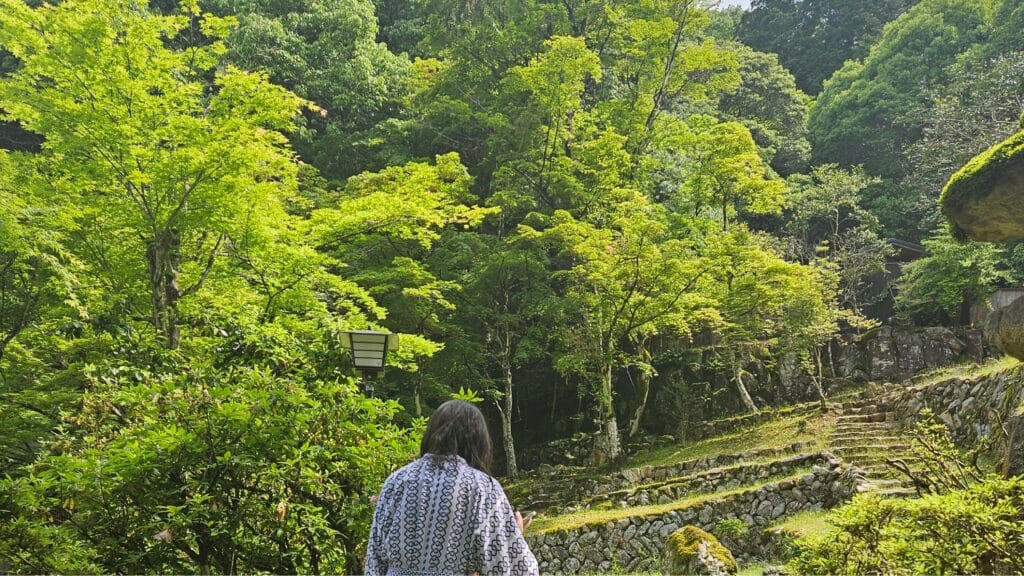
We visited Ueyama Ryokan after spending several days exploring Naoshima, the famous art island known for its contemporary museums, outdoor installations, and peaceful coastal scenery. Naoshima had been an incredible experience in its own right, filled with creativity and moments of quiet inspiration, but the pace there was still active. We spent long days walking through galleries, wandering between museums, and taking in the island’s unique blend of nature and modern art.
By the time we left Naoshima, we were ready for a different kind of rest, something deeper and more grounding. Arriving at Ueyama Ryokan felt like the perfect continuation of the trip. Moving from Naoshima’s artistic landscapes to the soft greenery of Shioda Onsen created a sense of balance that made the ryokan stay even more rewarding. The shift from contemporary art spaces to traditional Japanese hospitality helped us appreciate both sides of Japan’s cultural spectrum.
Stepping into the ryokan after Naoshima’s open-air sculptures and minimalist architecture, we immediately noticed how calm everything felt. The gentle garden paths, the warm wooden interiors, and the quiet hum of nature outside our window made it clear we had entered a completely different kind of experience. It was as if our time in Naoshima prepared us to slow down, and Ueyama Ryokan provided exactly the space we needed to do that.
The transition between the two destinations also deepened my appreciation for Ueyama Ryokan’s design and atmosphere. After days spent absorbing visual art, the natural beauty and understated elegance of the ryokan felt refreshing and restorative. It reminded me that travel in Japan often shines brightest when contrasting experiences come together—modern art one day, traditional onsen the next.
The Onsen Experience
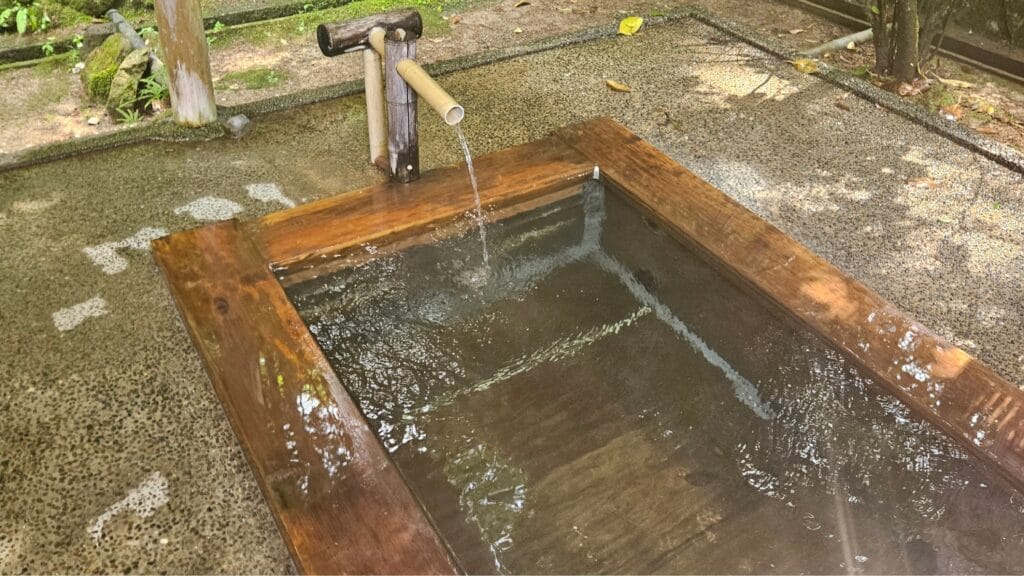
At Ueyama Ryokan, the onsen experience is truly one of the highlights of the stay. Each guest room includes its own private onsen, and this immediately sets the ryokan apart from many others I’ve visited. The bath areas are designed with a clean, modern minimalism that blends beautifully with the natural materials used throughout the rooms. Soft wood tones, gentle lighting, and large windows create a space where you can soak in mineral-rich water while looking out at the surrounding greenery. Being able to enjoy an onsen in complete privacy, without needing to leave your room, adds a level of comfort that feels both luxurious and deeply personal.
If you’re curious to go deeper into onsen etiquette, regional differences, and how to choose the right onsen for your travel style, I’ve put together a detailed onsen guide based on my experiences across Japan. It covers everything from first-time tips to private and family-friendly options, and it’s a great resource if Ueyama Ryokan inspires you to explore more hot spring regions.
For me, these private onsens were one of the reasons Ueyama Ryokan ranked so highly in my overall onsen experiences. After long days of traveling, especially following our time in Naoshima, slipping into the warm water while listening to the sounds of nature outside was incredibly restorative. It allowed me to unwind at my own pace, without the pressure of timing my visit around other guests. The combination of privacy, natural materials, and mineral-rich water created a sense of calm that stayed with me long after I left the bath.
But the onsen experience at Ueyama Ryokan doesn’t stop in the guest rooms. The ryokan also offers a beautifully maintained public onsen for guests who want to embrace a more traditional and communal form of bathing. To reach the public baths, you walk through the ryokan’s Japanese garden—a small detail, but one that adds another layer of peace to the experience. The walk acts as a transition from everyday thoughts into a quieter, more reflective mindset. By the time you reach the public onsen entrance, you already feel more centered and ready to relax fully.
The public baths are separated by gender, as is customary in Japan, and the design reflects traditional onsen values: simplicity, cleanliness, and a connection to nature. The layout encourages slow, deliberate movement and quiet reflection. Even if you’re used to private baths, stepping into a communal onsen brings you closer to the cultural roots of Japan’s bathing traditions. It’s a reminder that onsens are not only spaces for physical relaxation, but also places where people have gathered for centuries to restore their minds and bodies.
Ueyama Ryokan also offers a family onsen, which is ideal for guests traveling with loved ones. This private family bath can comfortably accommodate two adults and up to two children, making it a thoughtful option for those who want to share the experience without entering the gender-separated public baths. Family onsens are not available everywhere, and the one here adds meaningful value for couples or parents who want to spend quiet time together in a private setting. It’s a warm, intimate space that strengthens the overall feeling of connection that ryokans are known for.
Onsen culture in Japan is deeply rooted in history. Bathing in natural hot springs has been part of Japanese life for over a thousand years, and many of the customs still observed today were shaped generations ago. Onsens are not simply places to wash or relax—they’re seen as sanctuaries for the mind and body. The minerals in the hot spring water are believed to aid circulation, soothe muscle fatigue, and improve various skin conditions, but the benefits extend beyond physical wellness. The rituals of rinsing before bathing, moving quietly within the space, and taking time to reflect all contribute to the spiritual aspect of the experience.
What stands out about Ueyama Ryokan is how well it honors this tradition while still providing modern comfort. The ryokan manages to preserve the authenticity of onsen culture while giving guests plenty of privacy and flexibility. As someone who has visited several hot spring regions across Japan—from Hakone’s luxurious private baths to the rustic onsens near the Snow Monkey Park—I found Ueyama Ryokan to be one of the most balanced and thoughtfully designed experiences. It offers both tradition and convenience, making it accessible to first-time visitors while still appealing to seasoned onsen travelers.
The Cultural Significance of Onsen

Onsen culture is one of the most distinctive and deeply rooted traditions in Japan. Its origins can be traced back to the Nara period (710–794), when natural hot springs were already recognized for their therapeutic and spiritual significance. Over the centuries, the practice evolved from a simple bathing custom into a meaningful part of Japanese daily life, shaping wellness habits, social interactions, and even regional identities. Today, visiting an onsen is not only a way to relax but also a way to connect with Japanese history and the landscape itself.
What makes onsens so unique is the balance they strike between physical comfort and cultural ritual. In Japan, an onsen is far more than a hot bath. It is seen as a space for reflection, quiet healing, and reconnecting with nature. Many ryokan, including Ueyama Ryokan, are intentionally built near mountains, forests, or rivers to reinforce this connection. I’ve experienced this firsthand—stepping into an onsen surrounded by greenery or natural stone immediately changes the atmosphere and makes the experience feel grounded and meaningful.
Traditionally, onsens are communal, and it’s common for friends, couples, or family members (of the same gender) to visit together. What might feel unusual to visitors from abroad—bathing without clothing—is simply part of the cultural norm in Japan. The focus is on comfort, equality, and shared relaxation rather than appearance. After visiting several onsens across Japan, from Hakone to the Snow Monkey Park region and now at Ueyama Ryokan, I’ve found that the communal aspect is one of the most memorable parts of the experience. It encourages a kind of openness and stillness that’s rare in everyday life.
Before entering the hot spring baths, guests are expected to cleanse themselves thoroughly at the washing stations. This is not a minor detail but an essential part of the ritual. Each station is equipped with a small stool, handheld shower, and bath amenities. Taking the time to scrub and rinse is both a practical step—to keep the water clean for everyone—and a symbolic one. It represents leaving behind the day’s stress and preparing yourself mentally for relaxation. I’ve always appreciated this moment of pause before soaking in the onsen; it creates a sense of transition that makes the experience feel more intentional.
Inside the bathing area, silence and respect are key. Conversations, if they happen at all, are usually soft and brief. The goal is to maintain the peaceful atmosphere so guests can enjoy the warmth of the mineral-rich water without distraction. It’s one of the reasons I find onsen visits so restorative. Unlike modern spas, which can feel busy or loud, Japanese onsens encourage you to slow down and let your mind settle. The combination of quiet water, natural surroundings, and gentle heat supports a state of relaxation you can’t easily recreate elsewhere.
Onsens in Japan also carry a spiritual dimension. Historically, they were places for purification and recovery, and many Japanese people still view them this way today. The minerals in the water are believed to support circulation, ease joint and muscle tension, and improve the condition of the skin. Whether or not you visit for these benefits, the overall effect is undeniable. After soaking in an onsen, especially one as thoughtfully designed as those at Ueyama Ryokan, your body feels refreshed and your mind feels clearer.
Having visited onsens throughout different regions of Japan, I’ve come to appreciate how each location reflects its community and surrounding landscape. Ueyama Ryokan, with its serene garden path, private baths, and quiet public onsen, embodies the calmer, more reflective side of Japanese bathing culture. It’s a place where tradition and comfort meet, and it offers guests the chance to experience onsen culture in a way that feels authentic, respectful, and deeply restorative.
The Rooms: Private Onsens for Ultimate Comfort
What truly sets Ueyama Ryokan apart is the way it blends traditional Japanese onsen culture with the comfort and privacy that modern travelers appreciate. Every guest room includes its own private onsen, which is something not all ryokans offer. Having a personal hot spring bath right in the room makes the experience feel both luxurious and deeply relaxing, especially after a long day of exploring nearby regions like Naoshima.
The rooms are designed in a contemporary Japanese style that feels clean and calming rather than overly decorative. Natural wood accents, warm lighting, and simple lines create a sense of understated elegance. Large windows open up to views of the garden or the surrounding landscape, so even when you’re indoors, you feel connected to nature. I found this design approach refreshing because it maintains the essence of a traditional ryokan while offering the comfort and convenience expected from a modern stay.
The private onsens themselves reflect that same minimal, thoughtful design. The baths are spacious enough to soak comfortably, and the neutral tones and natural materials make the space feel almost like a small retreat within the room. Being able to slip into warm, mineral-rich water whenever you want—morning, evening, or even late at night—adds a level of freedom that enhances the entire experience. For me, this privacy was one of the standout features of Ueyama Ryokan. It allowed me to unwind at my own pace without worrying about timing or crowds.
If you’re someone who values quiet moments or prefers a more intimate onsen experience, these private baths are ideal. They make it easy to enjoy the healing properties of the hot spring water while staying completely immersed in the peaceful atmosphere of the ryokan. It’s this thoughtful balance between tradition and modern comfort that makes Ueyama Ryokan a memorable place to stay.
Dining at Ueyama Ryokan: A Culinary Delight
While the onsen experience is one of the main reasons to stay at Ueyama Ryokan, the food deserves just as much appreciation. I’ve stayed in several ryokan across Japan, and the meals here truly stood out. Each dish felt carefully considered, and the overall dining experience matched the same level of thoughtfulness found throughout the ryokan. You can tell immediately that a great deal of pride goes into the cooking, from the selection of ingredients to the way each course is presented.
Meals at Ueyama Ryokan highlight the best of seasonal Japanese cuisine. Ingredients are sourced locally when possible, and you can really taste the difference in freshness. The flavors lean toward delicate and balanced rather than heavy or overly rich, which pairs perfectly with the calm atmosphere of the ryokan. After soaking in the onsen, sitting down to a meal like this feels almost meditative. It’s the kind of dining experience that encourages you to slow down and appreciate every bite.
One of the signature offerings is the kaiseki dinner, a multi-course meal that showcases a wide range of techniques, textures, and seasonal ingredients. Kaiseki is considered one of the highest forms of Japanese cuisine, and the version served here is both elegant and approachable. Dishes may include fresh sashimi arranged with the same care as a piece of art, small plates featuring mountain vegetables, lightly simmered or grilled fish, and beautifully prepared rice dishes. Each course arrives at just the right pace, allowing you to fully enjoy the flavors without feeling rushed.
The ryokan also includes regional specialties that reflect the culinary traditions of the area. I always appreciate when traditional inns do this, because it gives guests the chance to taste something they may not find in larger cities like Tokyo or Osaka. These small touches add personality to the dining experience and help you feel connected to the region around you.
What impressed me most, however, was the attention to detail. The presentation of each dish mirrored the careful design of the ryokan itself—simple, natural, and refined. Even the tableware felt intentionally chosen to complement the ingredients. For me, this level of detail is what makes a ryokan meal truly memorable. It isn’t just about eating. It’s about experiencing Japanese hospitality in one of its most authentic forms.
By the end of each meal, I felt the same sense of calm and satisfaction that the onsen provided, which speaks to how well the entire experience at Ueyama Ryokan is designed. Whether you’re familiar with Japanese cuisine or trying many of these dishes for the first time, the meals here offer a gentle, beautifully crafted introduction to the flavors of Japan.
Conclusion: A Peaceful Retreat for the Soul
Ueyama Ryokan is one of those rare places that captures the essence of Japanese hospitality while still offering the comfort and convenience modern travelers appreciate. It truly feels like a hidden gem. The beautifully maintained garden, the private onsens in every room, and the thoughtful, carefully prepared meals all work together to create an experience that feels both grounded in tradition and refreshingly contemporary. For me, it was the kind of stay that lingers in your memory long after you’ve checked out.
What makes Ueyama Ryokan so special is how naturally it connects guests to the heart of onsen culture. You’re not just soaking in hot spring water. You’re engaging with a centuries-old tradition surrounded by nature, quiet spaces, and a level of detail that reflects genuine Japanese craftsmanship. Whether you’re visiting for the first time or returning after a previous stay, the ryokan offers a tranquil and rejuvenating atmosphere that makes you feel restored in both body and mind.
The price point is also worth noting. At around 18,000 yen per night, Ueyama Ryokan offers an impressive balance of quality and affordability. In my own experience visiting onsens across Japan, this stay offered one of the strongest price-to-value ratios I’ve found, making it an excellent option for anyone seeking a peaceful and authentic onsen retreat without needing a luxury budget. You receive the warmth of traditional Japanese hospitality, access to natural hot spring water, beautifully prepared meals, and the privacy of your own in-room bath—all at a rate that feels surprisingly accessible.
What this visit also reminded me of is how rewarding it can be to explore the Japanese countryside. Places like Shioda Onsen show a quieter, slower, and often more intimate side of Japan that you don’t always find in larger cities. The countryside invites you to appreciate landscapes, small details, and regional traditions in a way that adds meaningful depth to any trip. As you can see throughout this article—from Naoshima’s artistic island atmosphere to the peacefulness of Ueyama Ryokan—Japan’s rural regions have so much to offer when it comes to culture, scenery, and genuine relaxation.
Come for the hot springs, stay for the serenity, and leave with memories that stay with you long after your travels. Ueyama Ryokan not only delivers a restorative onsen experience but also highlights why exploring Japan beyond the major cities is so worthwhile.
Author

Get My Personal Travel Maps
Keep Reading: More Articles You'll Love
 Is Japanese Food Actually Chinese? The Surprising Origins of Japanese Cuisine
  Living in Japan vs Korea – The Ultimate Expat Guide
  Tattoos in Japan: Rules, Culture, Onsen & Changing Attitudes
  Japan Travel Myths vs Reality: What Tourists Still Get Wrong About Japan
  My First 30 Days in Tokyo: Essential Administrative Steps for International Students
  How Hotels Are Ranked in Japan: A Complete Guide to Understanding Japanese Hotel Classification
  Matsumoto Itinerary: The Perfect 3-Day Guide Including Kamikochi