
This post contains affiliate links. If you book through them, I may earn a small commission at no extra cost to you. More about this.
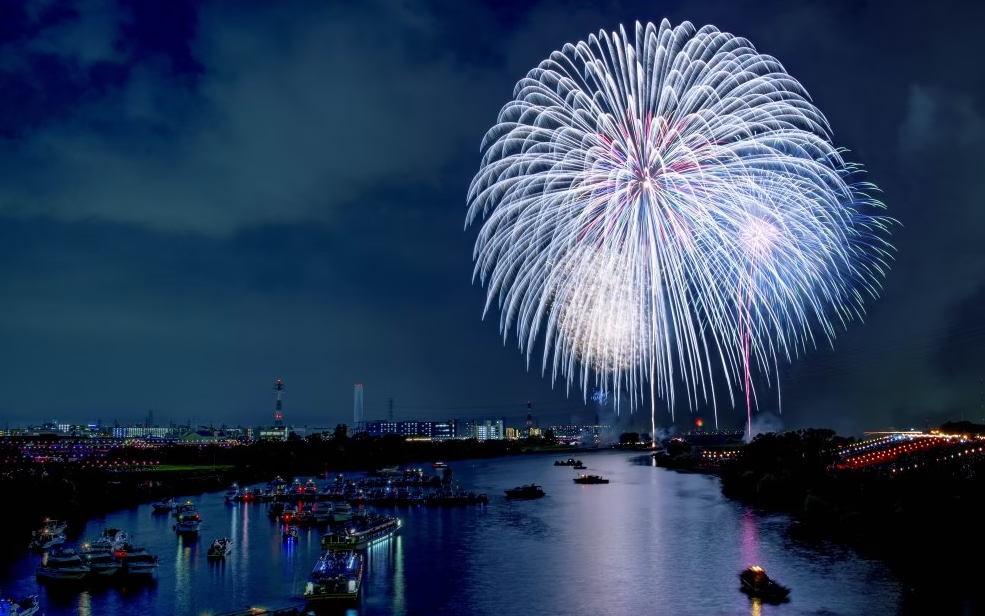
As a Swiss expat living in Tokyo for over two years, I’ve watched the city trade its fast-paced routine for a joyful, communal rhythm every summer. Back home in Switzerland, fireworks displays have become much less frequent due to environmental and noise regulations. In Tokyo, however, the tradition is thriving, and it has become one of my favorite parts of living here.
For me, these nights are a beautiful cultural bridge. My fiancée is Chinese, and as we sit on our picnic mats, we experience a craft that originated in her culture and was refined into an art form here in Japan.
A Family Tradition in Itabashi
Last year, we headed to the Itabashi Fireworks Festival along the Arakawa River. We didn’t just go as a couple; we were joined by my fiancée’s sister, her nieces, and my friend visiting from Switzerland. To truly embrace the culture, we all wore yukatas. There is something incredibly special about seeing the children in their tiny, colorful robes, it is a level of “kawaii” that you have to see in person to appreciate.
Unlike the massive, million-person crowds of central Tokyo, Itabashi offered us a bit more breathing room to enjoy the atmosphere as a family. We shared street food, watched the nieces’ excitement as the sky lit up, and showed my Swiss friend a side of Japan that most tourists miss.
What This 2026 Guide Covers
If you are planning to be in Japan during the warmer months of 2026, attending a hanabi taikai (fireworks festival) is essential. But because these events are so popular, you need a plan.
Based on my experience living here, I will explain everything you need to know, including:
- The Best 2026 Festivals: From the grand spectacles to the local gems like Itabashi.
- Yukata Tips: How to experience the tradition comfortably.
- The Logistics: Which train stations to use and how to navigate the riverbanks.
- Family Advice: Tips for bringing children and friends to ensure a smooth, fun evening.
Summer in Tokyo is defined by these moments under the stars. With this guide, I hope to help you experience the season just like a local, with the right timing, a bit of preparation, and a sky full of meaning.
Sumidagawa Fireworks Festival
- Date: July 25, 2026 (last Saturday in July)
- Fireworks Count: 20,000
- Location: Sumida River, Asakusa / Ryōgoku
- Why It’s Legendary:
The signature Tokyo fireworks festival has been held since Edo times (first in 1733). Features fierce competition between Bay Grand Fireworks and renowned pyrotechnic guilds, crowds of nearly a million, and breathtaking, choreographed pieces - Viewing and Travel Tips:
Arrive hours early to claim space along the Sumida River. Alternatively, book a rooftop or citizen sponsor seat for guaranteed views and comfort - Cultural Insight:
An iconic Japanese summer event, marked by dramatic bursts, yukata, and traditional chants of “Tamaya!” and “Kagiya!” as fireworks bloom in the sky - Why You Should Go:
It’s the ultimate answer for where to watch fireworks in Tokyo this summer, a bucket-list event combining spectacle, history, and atmosphere.
Jingu Gaien Fireworks Festival
- Date: August 8, 2026 (Saturday)
- Fireworks Count: 10,000
- Location: Meiji Jingu Gaien, near Shibuya
- Why It’s Special:
A rare blend of live music and fireworks, merging urban energy (near Harajuku and Shibuya) with cultural ceremony. Modern and immersive, one of the most dynamic Japan summer events. - Experience Highlights:
The fireworks show is paired with J-pop or band performances inside a stadium setup, tickets give stadium seating with bento boxes and great audio-visual integration. - Travel Tips:
Tickets sell out quickly, so book early once Tokyo hanabi festival dates and locations 2026 are confirmed. - Why It’s a Must-See:
This Tokyo fireworks festival offers comfort, music, and a city vibe, perfect for those asking where to watch fireworks in Tokyo this summer while also enjoying live concerts.
Katsushika Fireworks Festival
- Date: July 28, 2026 (Tuesday)
- Fireworks Count: 15,000
- Location: Edogawa River, Shibamata district
- Why It’s Charming:
Located in the nostalgic streets of Shibamata, this is one of the best fireworks festivals in Tokyo 2026 for those who want tradition plus a lower fuss crowd. - Local Atmosphere:
Visitors stroll through Taishakuten alley, savoring street snacks like taiyaki, before settling along the waterbank. - Travel Tips:
Take Keisei train to Shibamata Station, stroll along Taishakuten, and arrive early to find a riverside spot. - Ideal For:
Anyone wanting a more intimate hanabi night, shorter lines, close views, local charm, and the answer to where to watch fireworks in Tokyo this summer if you prefer quieter, authentic settings.
Edogawa Fireworks Festival
- Date: August 1, 2026
- Fireworks Count: 14,000
- Location: Edogawa River banks, Shinozaki side
- Why It’s Perfect for Families:
Free viewing areas, musical synchronization, and expansive parks make this a top-tier Japan summer event for a relaxed evening. - Festival Highlights:
A dramatic opening salvo of 1,000 fireworks in 5 seconds, followed by thematic acts and choreographed music shows - Travel and Viewing Tips:
Use Shinozaki Station (15 minutes’ walk) or nearby parks for quieter vantage points. Arrive early for blankets, mat space, and snacks. - Why Go Here:
For a family-friendly and less frenzied option when deciding where to watch fireworks in Tokyo this summer, Edogawa is unmatched in comfort and organization.
Itabashi Fireworks Festival
- Date: August 1, 2026 (Saturday)
- Fireworks Count: 15,000
- Location: Arakawa riverbanks on the Itabashi side
- What Makes It Unique:
Celebrated in perfect sync with the Toda Fireworks Festival across the river, creating a stunning 360° panorama of light and sound - Experience Summary:
Thousands of fireworks appear to envelope spectators from two sides, an immersive spectacle unmatched in Tokyo. - How to Get There & Where to Watch:
Walk ~20 minutes from Takashimadaira Station. For a relaxed evening, arrive early or secure a ticketed area. - Why It’s Unmissable:
One of the best fireworks festivals in Tokyo 2026, beloved by photographers and couples looking for spectacle with comfort.
Adachi Fireworks Festival
- Date & Time: May 30, 2026 (Saturday), the season’s early opener
- Fireworks Count: 14,010
- Location: Arakawa River, Senju side
- Why It Matters:
As the first Tokyo fireworks festival of the season, Adachi gives visitors a chance to enjoy hanabi before the intense summer heat arrives. It’s one of the earliest Japan summer events, rooted in Meiji-era tradition and revived in 1979 - Highlights:
The show includes themed acts blending fireworks with music, like “400 Years of Senju-juku”, and attracts around 700,000 spectators without overwhelming crowds - Viewing Tips:
Take the JR or Tobu lines to Kita-Senju, then walk along the riverbank. For a calm experience, arrive early and bring blankets. - Why Visit:
For travelers thinking where to watch fireworks in Tokyo this summer but wanting a quieter, cooler start to the season, Adachi provides an early and relaxed hanabi experience.
Tokyo Racecourse Fireworks
- Date: July 1, 2026 (Wednesday)
- Fireworks Count: 14,000
- Location: Fuchu, on the grounds of Tokyo Racecourse
- What Sets It Apart:
A stadium-style Tokyo fireworks festival with assigned seating, food vendors, and an efficient layout, offering premium comfort and excellent visibility - Experience Highlights:
Often features a “City Pop Fireworks” theme, melding nostalgic 70s-80s Japanese music with colorful explosions, perfect synchronization for fans of retro vibes. - Logistics:
Arrive when gates open (~17:00). Ticket prices range from ¥5,000 to ¥50,000; non-ticketed viewing is also possible in nearby parks. - Why Go Here:
For those who appreciate structure and comfort, this is one of the best fireworks festivals in Tokyo 2026, especially significant when searching for where to watch fireworks in Tokyo this summer without crowds or chaos.
Showa Kinen Park Fireworks Festival
- Date: July 25, 2026 (Saturday)
- Fireworks Count: 5,000
- Location: Showa Memorial Park, Tachikawa
- Why It’s Serene:
Nestled in wide open lawns, lakes, and forests, this is the most relaxed Japan summer event on the list. Perfect for picnicking families, couples, or those avoiding crowds - Festival Highlights:
Includes massive “Isshaku-Gosundama” fireworks over 45 cm wide and thematic storytelling displays. - Tips to Enjoy:
Park opens in the afternoon, so arrive early to claim space with mats or picnic chairs. Entry is low-cost, with optional reserved seats. - Why You Should Attend:
This is the ideal choice if you’re searching for a low-key hanabi night and wondering where to watch fireworks in Tokyo this summer in a green, calm environment.
Tamagawa Fireworks Festival
- Date & Time: October 3, 2026 (Saturday)
- Fireworks Count: ~6,000
- Location: Tama River, Futako-Tamagawa (Setagaya side)
- Why It Matters: Tamagawa marks the last major fireworks festival in Tokyo’s calendar, closing the season with elegance and community charm. Held on both sides of the river, the event features beautifully synchronized shows from Setagaya and Kawasaki, creating a spectacular mirrored display.
- Highlights: Expect a mix of traditional designs and modern choreography, framed by cooler autumn breezes and a warm neighborhood atmosphere.
- Viewing Tips: Take the Den-en-toshi Line to Futako-Tamagawa Station. Arrive early with a mat to claim riverside seating. No ticket required for great views.
- Why Visit: Perfect for travelers seeking a final fireworks night without the intense crowds of midsummer, serene, scenic, and memorable.
Tsuchiura All-Japan Fireworks Competition
- Date & Time: November 7, 2026 (Saturday), 18:00, 20:30
- Fireworks Count: 20,000+
- Location: Sakuragawa River, Tsuchiura City (Ibaraki Prefecture)
- Why It Matters: As one of Japan’s three biggest fireworks competitions, Tsuchiura is a nationally televised event where top pyrotechnic teams compete. It’s a showcase of the most creative and technically advanced hanabi in the country.
- Highlights: Look out for rare firework types like “Starmine” and multi-break shells that explode in dazzling sequences, all choreographed to music.
- Viewing Tips: Take the JR Joban Line to Tsuchiura Station and follow signs to the riverside. Expect large crowds, arrive 2, 3 hours early. Reserved seating available.
- Why Visit: For photography enthusiasts, fireworks fans, or anyone wanting to see the best of the best, Tsuchiura is a must-see fall spectacle.
Kita-ku Fireworks Festival
- Date & Time: Mid-September (2026 date TBA)
- Fireworks Count: ~8,000
- Location: Arakawa River, near Akabane Station
- Why It Matters: A community-driven hanabi night, Kita-ku’s event offers intimacy and charm. Smaller in scale but big on heart, it’s a Tokyo neighborhood favorite, perfect for those avoiding crowds.
- Highlights: Colorful bursts light up the Arakawa skyline while locals gather on picnic blankets, sharing seasonal street food and drinks.
- Viewing Tips: From JR Akabane or Jujo Station, walk to the riverbanks early. Bring a blanket and snacks. No reservations needed.
- Why Visit: A peaceful, low-key alternative to the major summer events, great for couples, families, and those wanting a relaxed hanabi evening in the city.
Nagareyama Fireworks Festival
- Date & Time: Early September (2026 date TBA)
- Fireworks Count: ~13,000 (combined with Misato side)
- Location: Edo River, Nagareyama, Chiba Prefecture
- Why It Matters: Nagareyama’s display is a twin-city collaboration with Misato on the opposite riverbank, resulting in a dual launch show that creates a panoramic, mirrored sky.
- Highlights: The reflections over the Edo River double the visual impact. Local food stalls and a quiet suburban setting complete the evening.
- Viewing Tips: Take the Tobu Urban Park Line to Nagareyama Station. Plenty of riverside viewing options, especially on the Nagareyama side.
- Why Visit: Ideal for anyone looking to escape the intensity of Tokyo while still experiencing a large-scale, high-quality hanabi show.
Cultural Notes: The “Hanabi” Spirit
In Japan, Hanabi (literally “fire flower”) is more than just a show; it’s an expression of mono no aware, the beauty in things that are fleeting. For my fiancée and me, it’s a night of connection. It’s the soft rustle of yukata fabric as you walk to the river, the first sip of a cold drink, and the smell of yakitori in the humid night air.
The Yukata & Family Experience
Last year at the Itabashi festival, wearing yukatas changed everything. It transformed a simple outing into a deep cultural experience for my Swiss friend and a proud moment for my fiancée’s family.
- For the Kids: Seeing the nieces in their small yukatas was incredibly cute, but remember: traditional sandals (geta) can be hard on little feet. If you’re bringing children, let them wear comfortable sneakers with their yukata, no one will mind, and it saves you from carrying them home!
- The Rental Secret: If you don’t want to buy one, many shops in Asakusa or Shibuya offer “rental and dressing” packages. They will professionally tie your obi (belt), which is much harder than it looks! Or just buy a cheap one in Donki
- Group Coordination: In a crowd of thousands, it’s easy to lose people. We made sure everyone had a “meeting point” landmark, and the children had our phone numbers tucked into their yukata sleeves.
The “Local Resident” Packing List
Don’t just bring the basics. After two years of festivals, here is what we always have in our bag:
- Thick Picnic Mat: The riverbanks can be rocky or dusty. A padded mat is a lifesaver for a 3-hour wait.
- Wet Wipes & Trash Bags: Most festivals have very few bins. You are expected to carry your trash home. We always bring extra bags for the nieces’ snack wrappers.
- Portable Fan (Denchi Sensu): Tokyo summer is brutal. A battery-operated fan is a “must-have,” not a “nice-to-have.”
- Small Towel: To wipe away sweat or to sit on if the ground is damp.
Logistics & “The Human Crush”
- The Suica/Pasmo Rule: Ensure your card is topped up with at least ¥2,000 before you arrive. The lines at the ticket machines after the fireworks are a nightmare.
- The “Slow Exit” Strategy: When the final firework ends, thousands of people rush to the station at once. We usually sit on our mat for an extra 30, 40 minutes, finishing our snacks and letting the first wave of people pass. It’s much safer and less stressful, especially with kids.
- Toilet Logic: Go before you get to the festival grounds. Portable toilet lines can be 30 minutes long.
Which Festival is Right for You?
- The Massive Legend: Sumidagawa (Best for those who want the famous Tokyo “bucket list” experience).
- The Intimate Family Choice: Itabashi (Our personal favorite. Great views of the “Niagara Falls” fireworks and a bit more room for the nieces to move).
- The Urban Vibe: Jingu Gaien (If you want stadium seating and a concert atmosphere near Shibuya).
- The Nature Escape: Showa Kinen Park (Wide open green spaces, perfect for a relaxed picnic).
For in-depth guides to two of the festivals, read about the Sumidagawa Fireworks Festival and the Itabashi fireworks.
Frequently Asked Questions
When is fireworks season in Tokyo?
Most of Tokyo’s big hanabi festivals happen in July and August, the heart of summer, with a handful of later shows stretching into September and October. Exact dates shift each year, so confirm on each festival’s official site.
Are Tokyo fireworks festivals free to attend?
Yes, most offer free viewing from public riverbanks and parks. Popular events like Sumidagawa also sell paid reserved seating if you want a guaranteed spot away from the biggest crowds.
Which Tokyo fireworks festival is best for first-time visitors?
The Sumidagawa Fireworks Festival in Asakusa is the classic bucket-list choice: huge, historic and central. If you prefer more space, local events like Itabashi or Adachi are calmer alternatives.
When is the Sumidagawa Fireworks Festival in 2026, and why is it famous?
It falls on July 25, 2026, the last Saturday in July, along the Sumida River near Asakusa and Ryogoku, with around 20,000 fireworks. It has run since Edo times, first held in 1733, and draws crowds of nearly a million, which makes it the signature Tokyo hanabi.
What is the earliest Tokyo fireworks festival in 2026?
The Adachi Fireworks Festival opens the season on May 30, 2026, with about 14,010 fireworks on the Arakawa River, Senju side. It is a cooler, quieter way to enjoy hanabi before the intense summer heat arrives.
Are there fireworks festivals around Tokyo in autumn?
Yes. A few run later in the year, including Tamagawa in early October, Kita-ku in mid-September, Nagareyama in early September, and the large Tsuchiura All-Japan competition in Ibaraki in November.
Which Tokyo fireworks festival is best for families?
Itabashi is our family favorite, with its Niagara Falls set piece and room to spread out, while Showa Kinen Park has wide open lawns for a relaxed picnic. Edogawa is also family-friendly thanks to its free viewing areas.
What does hanabi mean?
Hanabi literally means fire flower. In Japan it is tied to mono no aware, the appreciation of beauty in fleeting things, which is part of what makes a summer fireworks night feel so special.
What should I wear to a hanabi festival?
Many people wear a yukata, a light summer kimono that suits the occasion, but comfortable clothes and shoes are perfectly fine. Whatever you choose, dress for heat and a lot of walking.
How early should I arrive to get a good spot?
For major festivals, arriving two to three hours early is wise, since prime riverside spots fill up fast. Bring a picnic mat, water and a topped-up Suica or Pasmo card to beat the station queues afterward.
What should I pack for a Tokyo fireworks festival?
Bring a thick picnic mat for the rocky riverbanks, wet wipes and trash bags since bins are scarce and you carry your trash home, a battery-powered portable fan for the heat, a small towel, water, and a Suica or Pasmo topped up with at least 2,000 yen.
Final Summary
Whatever your travel style, whether you’re searching for the best fireworks festivals in Tokyo 2026, deciding where to watch fireworks in Tokyo this summer, or tracking Tokyo hanabi festival dates and locations 2026, this guide offers eight uniquely rich experiences.
From the grandeur of Sumidagawa to the calm fields of Showa Kinen Park, each Tokyo fireworks festival blends tradition, art, and summer essence in a way only Tokyo can offer. Add these events to your bucket list, prepare for unforgettable nights under fireworks, and discover why Japan’s summer events are among the world’s most magical seasonal celebrations.
If you are planning more things to do in Tokyo beyond summer festivals, my Tokyo Travel Guide brings together neighborhoods, seasonal events, and practical tips to help you explore the city efficiently.
Author

Get My Personal Travel Maps




Leave a Reply