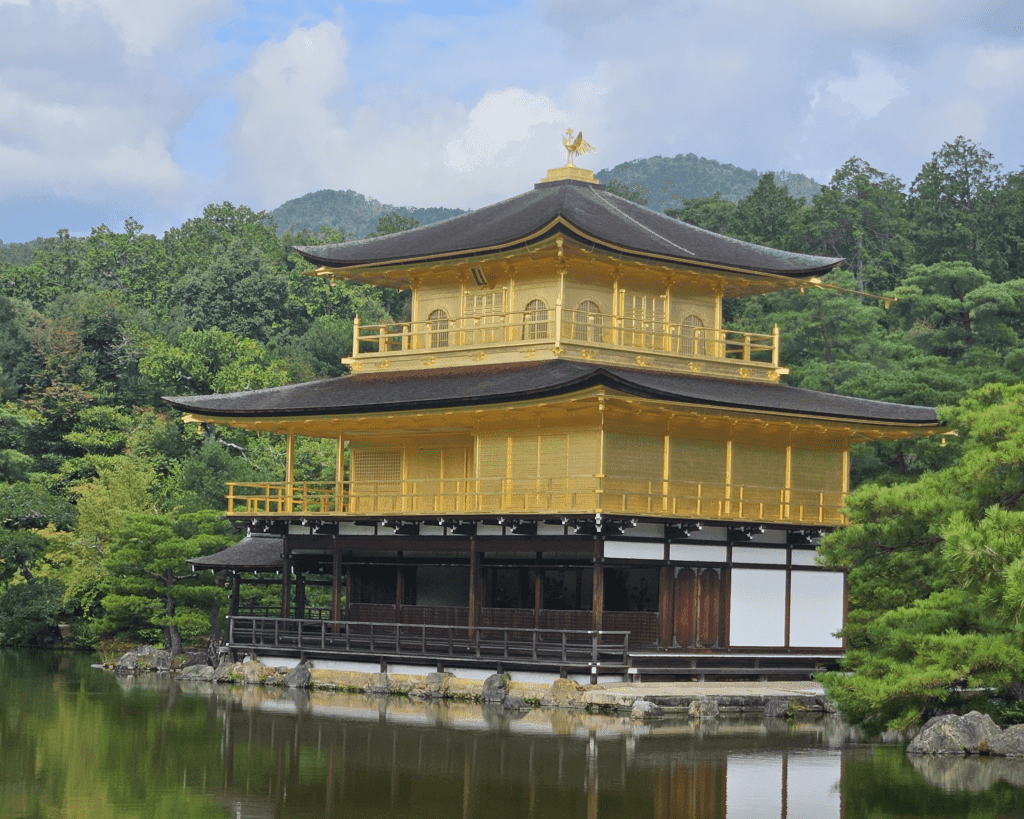
Kyoto in winter is cold, calm and beautiful. From December to February the famous temples are far less crowded than in spring or autumn, hotel prices are often lower, and with a bit of luck you might see the Golden Pavilion or the temple roofs dusted with snow.
I have been to Kyoto in winter myself, and the quiet atmosphere is the main reason I would recommend it. This guide covers the weather, what to see and eat, winter events, what to pack and how to make the most of short winter days.

We visited Kyoto in February. It was cold but sunny, and we did not see any snow. That is quite normal: snow in the city is the exception, so plan for the cold and enjoy it as a bonus if you get it.
Kyoto Winter Weather
| Month | Typical temperatures (rough) | What to expect |
|---|---|---|
| December | about 3 to 12°C | Late autumn leaves early in the month, then cold and dry |
| January | about 1 to 9°C | The coldest month, occasional snow, quiet after New Year |
| February | about 1 to 10°C | Still cold, first plum blossoms late in the month |
Kyoto sits in a basin surrounded by mountains, so cold air settles in the city. Locals talk about sokobie, a damp cold that creeps up from the ground, and it often feels colder than the thermometer says. Old wooden temples are also not heated, and you take off your shoes in many of them.
Does It Snow in Kyoto?
Yes, but not often. Kyoto city usually gets only a few days of snow each winter, mostly in January and February, and it often melts by midday. Snow is more likely in the northern hills, such as around Ohara and Kurama. If you wake up to snow, head straight to a famous temple like Kinkakuji or Kiyomizudera in the early morning. These scenes are rare and very popular with local photographers.
Best Things to Do in Kyoto in Winter
See the top temples without the crowds
Winter is the best season to see Kyoto’s icons with more space. Fushimi Inari, Kiyomizudera, Kinkakuji and the Arashiyama bamboo grove are still busy, but much calmer than in peak seasons. Go early in the morning for the best experience. My guide to the best places to visit in Kyoto helps you pick.
For us, Fushimi Inari was the best part of the trip. We walked up through the torii gates all the way to the top of Mount Inari, and up there it was completely empty. Most visitors only walk the first part of the gates, so the higher you climb, the quieter it gets. On a cold, sunny winter day, having the top of one of Kyoto’s most famous shrines almost to ourselves felt really special.

Visit special winter openings
In winter, the Kyoto tourism board often runs a campaign where some temples open halls, gardens or art that are usually closed to the public. The list changes every year, so check the official Kyoto tourism site for current openings.
Walk Gion and Higashiyama in the evening
Short winter days mean it gets dark early. The lantern lit streets of Gion, Hanamikoji and the stone lanes of Higashiyama look especially atmospheric on cold, clear evenings. In December, a light up event in Arashiyama has been held in some years. Check dates before you go.
Warm up with tea and sweets
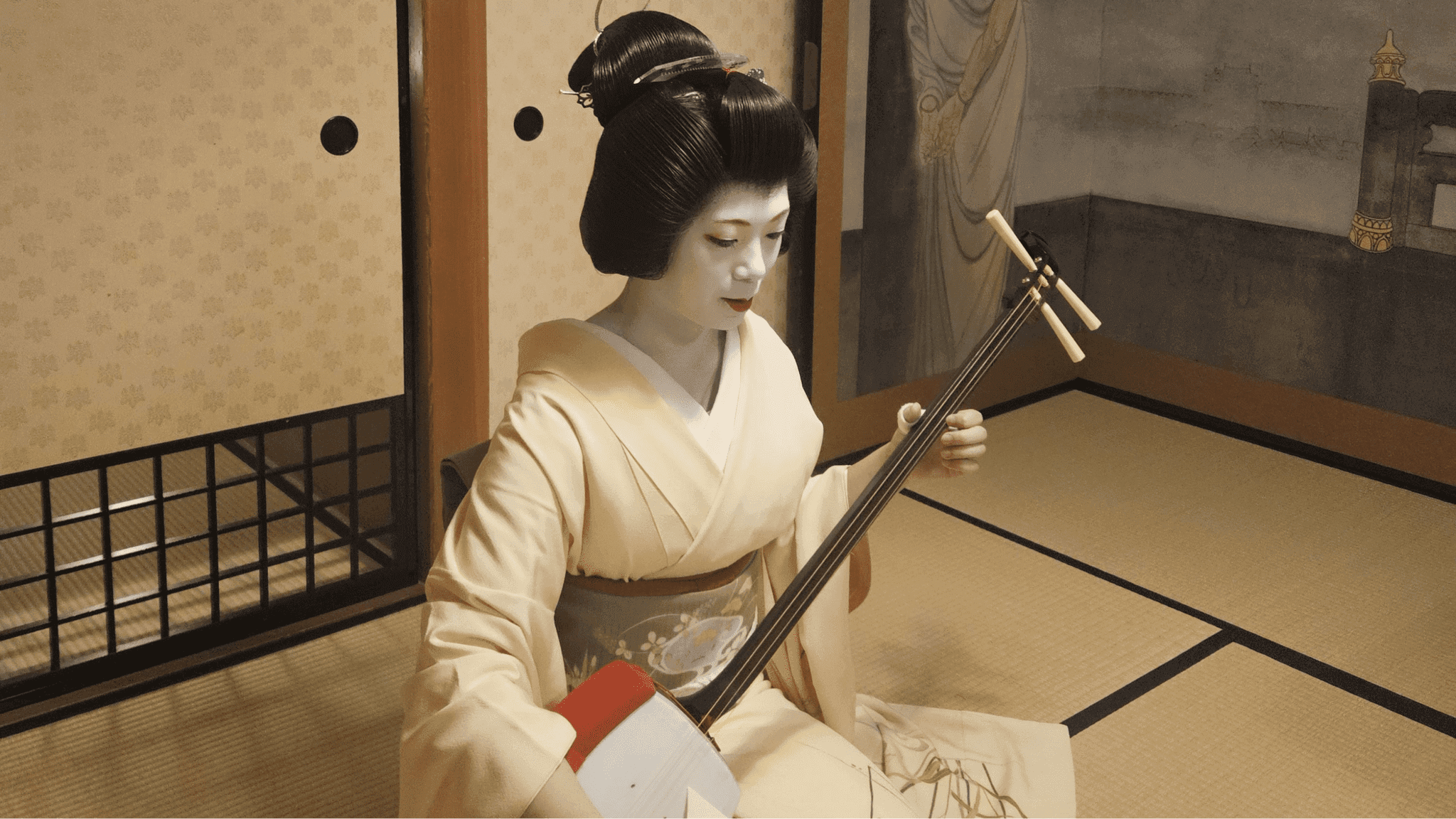
A traditional tea house with matcha and a seasonal wagashi is a perfect break from the cold. If you want to learn more about the ritual, see my article on the Japanese tea ceremony.
Take a day trip to Nara
Nara is less than an hour from Kyoto and works well on a winter day. The temples and deer park are calmer than in spring. Read my guide to Nara deer park.
Winter Events in Kyoto
- Early December: the last autumn leaves in some temple gardens.
- December: winter illuminations and, in some years, a light up in Arashiyama.
- Setsubun (around 3 February): shrines such as Yasaka and Yoshida hold bean throwing ceremonies to drive away bad luck, with food stalls and crowds.
- Late February: the first plum blossoms at shrines such as Kitano Tenmangu.
Event dates and formats change, so confirm details on official sites before planning around them.
What to Eat in Kyoto in Winter
- Yudofu: simple hot tofu in broth, a classic near Nanzenji and Arashiyama.
- Nabe: hot pot dishes are perfect for cold evenings.
- Ramen: a steaming bowl of ramen is one of the easiest ways to warm up after a day outside.
- Kyoto style oden and obanzai: home style dishes served at small restaurants.
- Hot amazake: a sweet, warming rice drink often sold at shrines.
- Kaiseki: Kyoto is famous for multi course seasonal meals, and winter menus feature seasonal vegetables and fish.
For a fun food story from Kyoto, read my review of Kasumi Kyoto.
On our February trip, nabe and ramen were exactly what we wanted after a long, cold day of sightseeing. Simple, hot and filling is the best food in Kyoto in winter.
Tips for Short Winter Days
- Start early. Sunset is around 5 pm in winter, so begin sightseeing soon after temples open.
- Check closing times. Many temples close earlier in winter than in summer.
- Group sights by area. Combine Higashiyama, Gion and Kiyomizudera on one day, and Arashiyama on another, to avoid long cold waits for buses.
- Use indoor breaks. Museums, cafés, Nishiki Market and department store food halls are good warm stops.
- Use the train. Buses get crowded at popular stops. Trains and the subway are often faster for longer distances.
Is Kyoto Better in Winter or Autumn?
Autumn is famous for its colourful leaves but brings some of the biggest crowds of the year and high hotel prices. Winter has no leaf colours, but you get peaceful temples, lower prices and the rare chance of snow. If you dislike crowds and do not mind the cold, winter is a very good choice.
What to Pack for Kyoto in Winter
- A warm coat, scarf, gloves and a hat
- Thermal layers, since temples and old houses are rarely heated
- Warm socks, because you take off your shoes in many temples and wooden floors are cold
- Shoes that are easy to slip on and off
- Disposable heat packs (kairo), sold in every convenience store
Where to Stay in Kyoto in Winter
Staying near Kyoto Station is practical for day trips and winter evenings, since you will not have long walks back in the cold. Gion and Higashiyama are more atmospheric. Winter is also a good season to try a traditional ryokan with a warm bath. My guide on where to stay in Kyoto and Osaka compares the areas.
Frequently Asked Questions
Is Kyoto worth visiting in winter?
Yes. You get fewer crowds, lower hotel prices and peaceful temples, and a small chance of snow scenes. Just dress warmly.
Does it snow in Kyoto in December?
Snow in December is possible but uncommon. January and February are the most likely months for snow in Kyoto.
How cold is Kyoto in January?
January is the coldest month, often around freezing in the morning and below 10°C during the day. The damp cold can feel even colder.
Is Kyoto crowded in winter?
Much less than in spring and autumn. The New Year period and Chinese New Year can be busier, but most winter weekdays are calm.
What is Kyoto like in February?
Cold and quiet, with Setsubun at the start of the month and the first plum blossoms towards the end.
Where can I see snow near Kyoto?
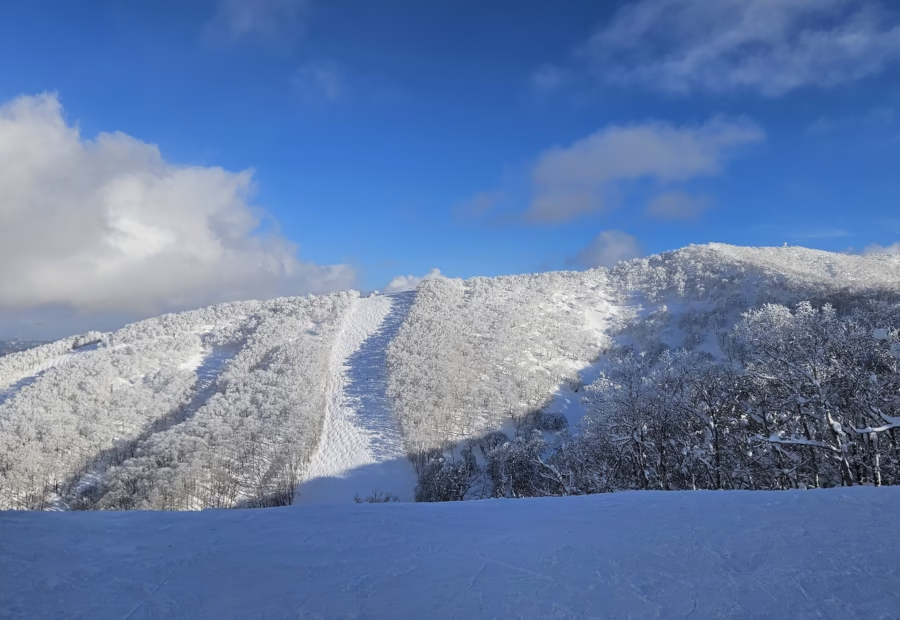
The northern hills of Kyoto get more snow than the city centre. For deep snow and snow villages, many travellers head further north into the mountains or to the Japan Sea coast.
Kyoto in winter is peaceful and full of atmosphere. Combine it with my guide to the best time to visit Japan to plan the rest of your trip. If Tokyo is on your route too, see my guide to Tokyo in winter.
Author

Get My Personal Travel Maps




Leave a Reply