Japanese Manhole Covers: Why Tourists Are Looking Down Instead of Up
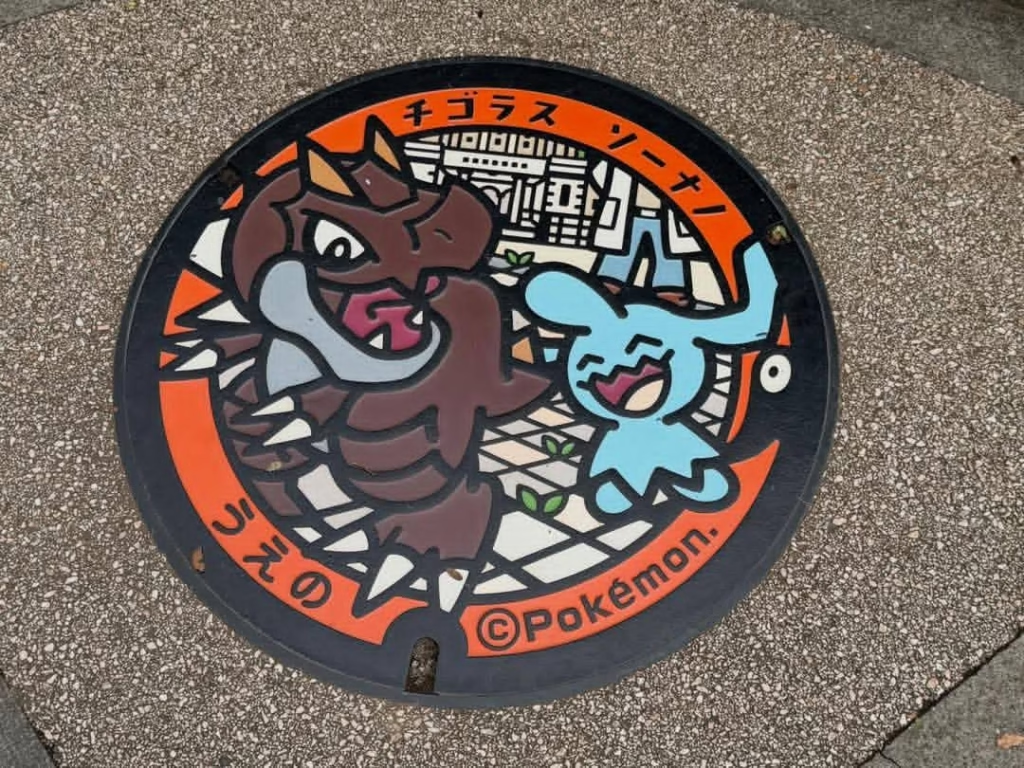
Most countries treat manhole covers as purely functional pieces of infrastructure. In Japan, they have become works of art.
From colorful Pokémon characters hidden in quiet neighborhoods to intricate designs featuring castles, flowers, festivals, and local legends, Japanese manhole covers have transformed ordinary streets into open-air galleries. What started as a government initiative to improve public acceptance of sewer construction has evolved into a nationwide cultural phenomenon.
Today, thousands of unique Japanese manhole covers can be found across the country, attracting photographers, collectors, anime fans, and curious travelers. Some visitors even plan entire trips around finding rare designs and collecting official manhole cards.
If you have ever wondered why Japan decorates its sewer covers, where to find the most famous examples, or why Pokémon has become part of this unusual tradition, this guide covers everything you need to know.
What Are Japanese Manhole Covers?

Japanese manhole covers are decorative access covers used for sewer, water, and utility systems throughout Japan. Unlike the plain metal covers commonly found in many countries, Japanese municipalities often decorate them with colorful artwork that reflects local culture, history, geography, and traditions.
Each city, town, or village can create its own unique design. As a result, walking through Japan often feels like exploring a giant outdoor art exhibition hidden beneath your feet.
These covers can depict:
- Cherry blossoms
- Local festivals
- Famous castles
- Regional wildlife
- Traditional crafts
- Historical figures
- Mountains and rivers
- Anime characters
- Pokémon
The variety is one of the main reasons Japanese manhole covers have become a tourist attraction in their own right.
Why Does Japan Have Decorative Manhole Covers?

The origins of Japanese manhole covers can be traced back to the rapid expansion of sewer systems during the post-war economic boom.
As cities modernized, local governments invested heavily in sewer infrastructure. However, many residents viewed these projects as expensive and unattractive. Because most sewer systems remain underground, people struggled to see the benefits.
To improve public acceptance, municipalities began decorating manhole covers with local symbols and artwork.
The idea was simple but effective.
Instead of seeing sewer systems as a costly public works project, residents began associating them with community pride and local identity. The concept became increasingly popular throughout the 1980s and eventually spread across the entire country.
Today, decorative manhole covers are considered one of Japan’s most successful examples of combining public infrastructure with public art.
How Many Japanese Manhole Cover Designs Exist?

One of the most remarkable aspects of Japanese manhole culture is its scale.
Japan is estimated to have more than 12,000 unique decorative manhole cover designs, making it one of the largest collections of public infrastructure art in the world.
Almost every municipality has its own design, and many locations have multiple versions depending on the district, theme, or installation year.
This means that even after years of traveling throughout Japan, it is nearly impossible to see every design.
For collectors and photographers, this endless variety is part of the appeal.
The Four Main Types of Japanese Manhole Covers
Nature-Themed Covers
Nature is one of the most common themes found on Japanese manhole covers.
Popular designs include:
- Cherry blossoms
- Maple leaves
- Hydrangeas
- Plum blossoms
- Mountains
- Rivers
- Coastal scenery
- Native wildlife
These designs often celebrate the landscapes that make a region unique.
Historical Manhole Covers
Many municipalities use their covers to highlight local history.
Common examples include:
- Samurai
- Castles
- Historic temples
- Traditional architecture
- Famous local figures
Cities such as Himeji, Matsumoto, Kumamoto, and Odawara feature covers inspired by their famous castles.
Festival-Themed Covers
Japan’s local festivals are another popular source of inspiration.
These covers often depict:
- Lantern festivals
- Traditional dancers
- Festival floats
- Fireworks
- Cultural performances
They serve as a permanent reminder of events that may only occur once each year.
Pop Culture and Anime Covers
Modern Japan has increasingly embraced pop culture as part of its tourism strategy.
As a result, many municipalities now feature anime themed manhole covers, manga artwork, mascots, and gaming characters.
These designs are particularly popular with younger visitors and international tourists.
Pokémon Manhole Covers: The Poké Lid Phenomenon
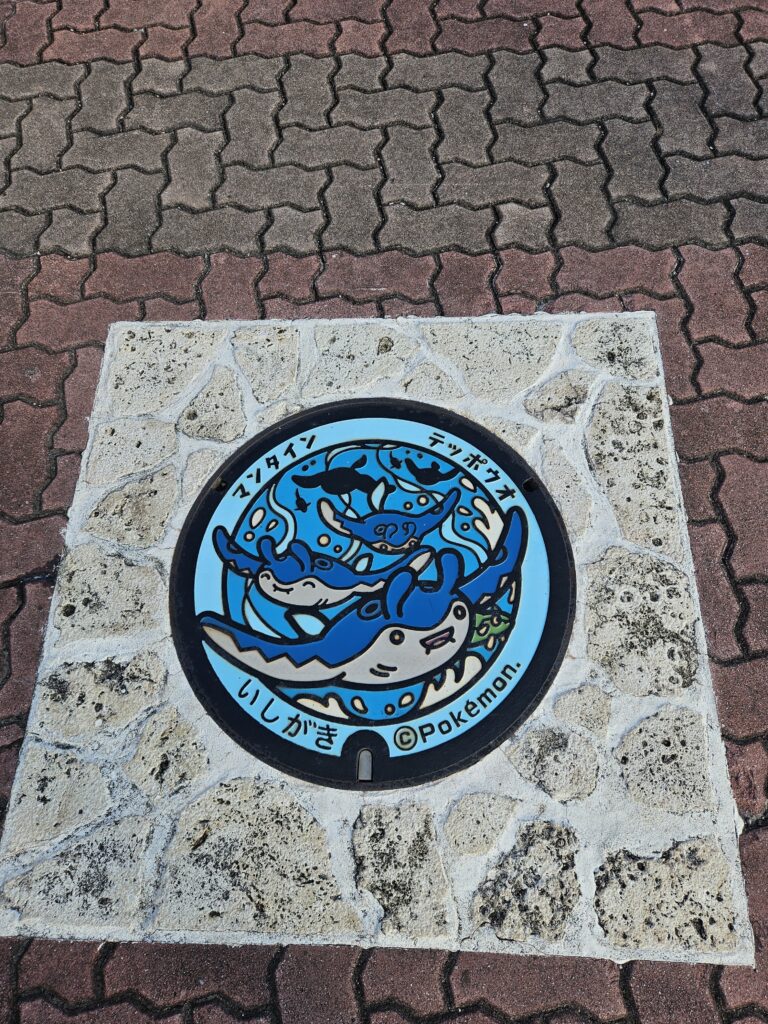
The most famous modern manhole cover project in Japan is Poké Lids.
Launched in 2018, the project introduced official Pokémon manhole covers across the country. Each design is unique and specifically created for its location.
Unlike standard tourist attractions, Poké Lids encourage visitors to explore smaller cities and rural communities that often receive fewer international tourists.
Each cover is carefully designed to reflect local characteristics.
For example:
- Coastal areas may feature water-type Pokémon.
- Mountain regions often feature rock-type Pokémon.
- Rural locations frequently include Pokémon connected to local wildlife.
This approach helps strengthen the connection between the artwork and the community.
The project has become one of Japan’s most successful tourism campaigns in recent years.
Famous Pokémon Manhole Cover Locations
Poké Lids can be found throughout Japan, with new locations added regularly.
Popular Pokémon featured include:
- Pikachu
- Eevee
- Lapras
- Snorlax
- Vulpix
- Gyarados
- Dragonite
- Magikarp
Many Pokémon fans now travel between prefectures specifically to photograph these covers and complete their collections.
Unlike traditional tourist attractions, every cover is available free of charge, making them accessible to everyone.
Why Travelers Love Japanese Manhole Covers
At first glance, it may seem unusual that tourists become excited about sewer covers.
However, Japanese manhole covers offer something that many modern attractions cannot: authenticity.
They are not designed primarily for tourists.
Instead, they exist because local communities genuinely value them.
For travelers, this creates an opportunity to discover a side of Japan that often goes unnoticed.
Searching for manhole covers frequently leads visitors away from crowded tourist districts and into residential neighborhoods, local shopping streets, and lesser-known parts of a city.
Many travelers report discovering hidden restaurants, shrines, cafés, and viewpoints while searching for specific designs.
Manhole Cards: Japan’s Unexpected Collectible
The popularity of Japanese manhole covers eventually led to another unique phenomenon: manhole cards.
These free collectible cards are distributed throughout Japan and feature:
- A photograph of the manhole cover
- Design information
- Location details
- Cultural background
Collectors travel across the country attempting to obtain cards from different municipalities.
The cards have become so popular that some travelers build entire itineraries around collecting them.
Like the covers themselves, manhole cards encourage visitors to explore places they might otherwise overlook.
The Art and Engineering Behind Japanese Manhole Covers
Creating a decorative manhole cover involves far more work than many people realize.
Each design must meet strict engineering standards while remaining visually appealing.
Manufacturers create detailed molds that can withstand decades of:
- Heavy traffic
- Rain
- Snow
- Extreme temperatures
- Daily wear and tear
Many covers are hand-painted after casting, which explains their vibrant appearance.
The result is a unique combination of engineering, craftsmanship, and public art.
Few countries invest this level of creativity into everyday infrastructure.
Best Places to See Japanese Manhole Covers
While decorative covers can be found throughout the country, some areas are particularly famous.
Tokyo
Tokyo offers hundreds of designs featuring flowers, historical symbols, local landmarks, and district-specific artwork.
Osaka
Many covers celebrate Osaka Castle, waterways, and the city’s rich commercial history.
Kyoto
Traditional designs often include temples, seasonal flowers, and cultural motifs.
Hokkaido
Wildlife, salmon, snowflakes, and agricultural themes dominate many of Hokkaido’s covers.
Okinawa
Visitors can find covers featuring coral reefs, tropical fish, and elements of Ryukyu culture.
Rural Japan
Some of the most creative covers are found in small towns where local identity plays a central role in the design process.
How to Find Japanese Manhole Covers
Finding Japanese manhole covers is easier than many visitors expect.
A few helpful tips include:
- Look near train stations.
- Explore city centers on foot.
- Visit tourist information centers.
- Search for official manhole card distribution locations.
- Use online maps dedicated to manhole cover locations.
- Pay attention while walking through residential neighborhoods.
Many travelers are surprised by how quickly they begin noticing covers once they start looking for them.
Why Japanese Manhole Covers Became a Global Attraction
Japanese manhole covers have gained international attention because they represent something rare in modern cities.
They transform ordinary infrastructure into something memorable.
Rather than hiding public utilities, Japan chose to celebrate them.
The covers educate residents about local culture, encourage tourism, support community pride, and create unique photo opportunities.
In an era where many cities struggle to distinguish themselves, Japanese manhole covers demonstrate how even the smallest details can contribute to a place’s identity.
Pokémon manhole covers are only one part of Japan’s Pokémon art; see my visit to the Pokémon x Kogei exhibition. For more quirks, read my list of weird things about living in Tokyo.
Frequently Asked Questions
What are Japanese manhole covers?
They are decorative access covers for sewer, water, and utility systems, with each city or town often creating its own unique artistic design.
Why does Japan have decorative manhole covers?
They began during the postwar expansion of sewer systems. To improve public acceptance of the costly infrastructure, municipalities decorated the covers with local symbols and artwork, linking the sewers to community pride.
How many manhole cover designs are there in Japan?
Japan is estimated to have more than 12,000 unique decorative manhole cover designs, one of the largest collections of public infrastructure art in the world.
What are the main types of manhole cover designs?
The main themes are nature such as cherry blossoms and wildlife, history such as castles and samurai, local festivals, and pop culture including anime, mascots, and Pokemon.
What are Poke Lids?
Poke Lids are official Pokemon manhole covers launched in 2018. Each design is unique and placed to reflect local characteristics, encouraging visitors to explore smaller cities and rural areas.
Are Japanese manhole covers free to see?
Yes. Every cover sits on a public street and is free to view, which makes them one of the most accessible attractions in Japan.
What are manhole cards?
Manhole cards are free collectible cards distributed across Japan, each showing a photo of a local cover along with its design details and cultural background. Many travelers collect them.
Where are the best places to see Japanese manhole covers?
Famous spots include Tokyo, Osaka, Kyoto, Hokkaido, and Okinawa, though some of the most creative designs are found in small rural towns.
How do I find Japanese manhole covers?
Look near train stations and in city centers, ask at tourist information centers, and check official manhole card distribution locations. Most people start noticing them quickly once they begin looking.
Are the manhole covers hand-painted?
Many are hand-painted after casting, which is why they look so vibrant, and each must still meet strict engineering standards to withstand traffic and weather.
Conclusion
Japanese manhole covers are one of the country’s most surprising cultural attractions. What began as a practical effort to improve public acceptance of sewer construction evolved into a nationwide art movement that now attracts photographers, collectors, anime fans, and travelers from around the world.
From regional design manholes in Japan showcasing castles, festivals, and natural landmarks to famous Pokémon manhole covers that inspire cross-country adventures, every design tells a story about the community where it is located.
The next time you visit Japan, take a moment to look down. Beneath your feet, you may discover some of the most creative public art in the country and a unique piece of local culture that most visitors never notice.
Author

Get My Personal Travel Maps


Leave a Reply