
Matsumoto offers a perfect mix of tradition, scenic beauty, and food, making it ideal for anyone searching for the ultimate Matsumoto itinerary. This 3-day Matsumoto travel itinerary allows exploration of iconic landmarks, hidden gems, and mouthwatering cuisine. With this guide, discover the best things to do in Matsumoto in 3 days, from impressive samurai-era architecture to delightful city strolls, mountain excursions, and culinary adventures.
A Matsumoto and Kamikochi sightseeing guide would not be complete without recommending the majestic Matsumoto Castle, scenic Kamikochi hikes, and culture-filled streets like Nawate and Nakamachi. In the evenings, treat your taste buds by following suggestions on where to eat in Matsumoto: ramen, especially in towns famous for local specialties like miso ramen at trusted shops.
Whether exploring historic masterpieces, embarking on nature walks, or sampling authentic Japanese dishes, this comprehensive Matsumoto itinerary is curated to optimize every moment in Nagano Prefecture.
Day 1: Arrival, Daio Wasabi Farm & Local Eats
Arrival at Matsumoto
After arriving in Matsumoto around 12:30 PM via train, the convenience of Matsumoto Station sets a welcoming tone for the trip. The station is modern, clean, and centrally located, with attractions and dining options nearby, such as a local brewery. From Matsumoto Station, it’s just a 13-minute walk to The Celecton Matsumoto Hotel, making it a perfect and accessible base for exploring Matsumoto and the must-sees highlighted in any Matsumoto itinerary. The Celecton is very similar to an APA hotel, just without the Imperial Japan propaganda book. If you don’t like fascists, never book an apa hotel.

Before starting the afternoon sightseeing, the first stop was lunch at 麺匠 佐蔵 (Mensho Sazou), a beloved ramen restaurant. As Matsumoto is well-known for dishes like ramen, unagi (freshwater eel), and wasabi, it’s no surprise that this ramen shop impressed with its flavorful, rich broth and chewy noodles, providing an authentic and local culinary experience— ‘where to eat in Matsumoto: ramen’ is a key consideration for every food lover. The welcoming atmosphere and local crowd made it a memorable introduction to the city’s food scene and an excellent start to this 3-day Matsumoto travel itinerary.
This journey truly highlights the best things to do in Matsumoto in 3 days, and this seamless introduction shows why Matsumoto and Kamikochi sightseeing guide recommendations always start with accessible transport and unforgettable local food.
Daio Wasabi Farm Adventure

After lunch, the adventure continued with a short train ride to Hotaka Station, setting the stage for a classic Matsumoto itinerary highlight: a visit to the Daio Wasabi Farm, one of Japan’s largest and most renowned wasabi farms. Upon arrival at Hotaka Station, the welcoming, well-maintained facilities—with clean toilets and even a local brewery—make it obvious why so many guides recommend basing a day trip here. Directly in front of the station, several options for bike rental are available, with rates starting at just 200 yen per hour for standard bikes and 300 yen for e-bikes. However, given the short, flat distance to the farm, a regular bike is more than enough for most visitors.

Staff at the rental shops are helpful, offering a detailed map that marks a scenic recommended river cycling route. The path to Daio Wasabi Farm offers tranquility, with beautiful countryside views typical of “things to see in Matsumoto.” Do remember that cycling is on the left in Japan—there are dedicated bike lanes in some sections, but not all. The bike ride itself can be a highlight for anyone following a 3-day Matsumoto travel itinerary.
Exploring the Daio Wasabi Farm itself takes about 30 minutes, but is highly rewarding. Walk shaded paths alongside cool streams, view perfectly arranged gravel beds of wasabi—which thrives on the mineral-rich water flowing from the Japanese Alps—and appreciate the almost Zen-like beauty of the grounds. Interpretation is mostly in Japanese, but using Google Translate on your phone unlocks a fascinating look at local agricultural history and wasabi’s significance. Beyond the fields, visitors are encouraged to try novel local food: the farm’s restaurants offer creative wasabi dishes, and the wasabi ice cream is a must for anyone interested in the best things to do in Matsumoto in 3 days. Don’t forget to stop in the extensive gift shop before leaving—wasabi-flavored treats and souvenirs abound!
Entry to the Daio Wasabi Farm is free, with the expectation that guests will browse the well-stocked shop or eat on-site. The site is especially pleasant in Japan’s warm months or in early autumn, with trees providing shade and water features throughout the grounds helping keep things cool. This was a return visit, and each time, whether with friends or loved ones, it remains a memorable and relaxing experience in any Matsumoto and Kamikochi sightseeing guide.
For travelers plotting out “where to eat in Matsumoto: ramen” or seeking unique rural activities near the city, Daio Wasabi Farm deserves a firm place in any itinerary, truly showcasing the blend of natural beauty, agricultural tradition, and local flavor that define the region.
Visit to “Swiss Village”
Just 10 minutes away by bike from the farm is the so-called Swiss Village—a quirky Japanese shopping area designed to resemble Swiss architecture. This makes sense when you realize Nagano is often referred to as the “Switzerland of Japan” in travel guides. While not authentically Swiss, it’s a fun and photogenic detour.
Dinner at a Local Izakaya
After returning the bikes (they must be returned by 6 PM), we went back to Matsumoto and ended the day at a cozy local izakaya. If you’re interested, you can find our restaurant picks saved on my Google Maps guide.
Day 2: Hiking in Kamikochi – Japan’s Alpine Wonderland
Early Start to Kamikochi

Day 2 of our Matsumoto and Kamikochi sightseeing guide was pure magic—one of those rare travel days that fills the heart with wonder and gratitude. As the sun rose, our bus wound through crisp mountain air into Kamikochi, a treasured gem in Japan’s Northern Alps renowned for its breathtaking natural beauty and serene trails.
The adventure began at Taisho Pond, where glassy waters reflected the ragged white-tipped peaks above, creating an almost dreamlike, double-exposure landscape. As we set out from Taisho Pond toward Kappa Bridge, every step was accompanied by the gentle soundtrack of the river, the calls of hidden birds, and the crunch of soft earth underfoot. The hike, though guides suggest four hours, took us just 2.5—yet time seemed to stretch and shimmer, slowed by countless awe-struck pauses for photos, laughter, and simply soaking in the views.
The trail to Kappa Bridge meandered through lush forest and open glades, its suspension expanse offering an iconic view of Kamikochi and a gathering place for fellow adventurers. Continuing onward to Myojin Pond, we walked paths where sunlight filtered through the trees and shimmered on clear streams. It’s a beautifully gentle trail; even flip-flops would suffice, though there’s a special confidence in sturdy shoes and the knowledge that each landmark is just a cheerful stroll away.
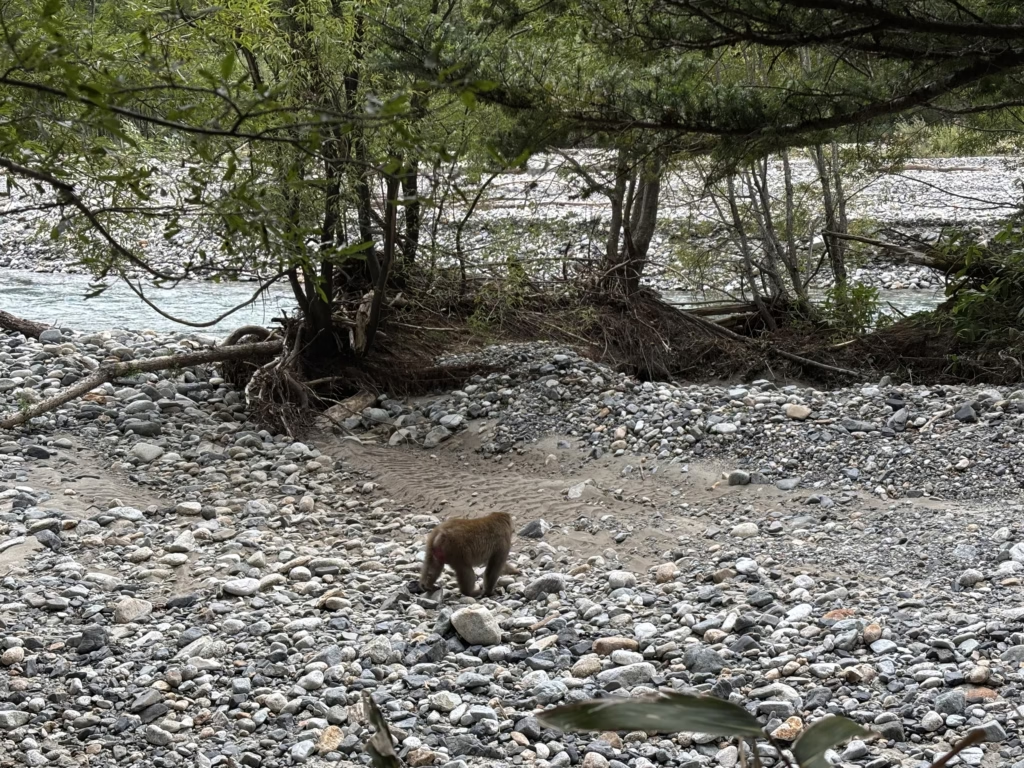
Alongside this easy companionship with the wild, unforgettable moments added color—like meeting a troop of wild monkeys with bright red behinds, foraging and tumbling through their mountain home. Though everyone jokes about bears, their presence is mostly mythical during the day. Bear bells, twinkling on so many hikers’ backpacks, add a gentle music to the landscape—a comforting, communal sign that everyone is watching out for each other. There’s no need to buy your own: the melody of safety is everywhere.
Perhaps the greatest wonder is how much Kamikochi recalls the Switzerland of dreams. Standing by the Emme River, a name echoing its famous Swiss cousin, felt like wandering through Solothurn or Bern with a distinctly Japanese spirit. Every corner reveals new delights: wildflowers, mirrored peaks, and the quiet company of loved ones. It’s a place that makes travelers fall in love with the world—and with travel itself—again and again.
Lunch at Kappa Bridge
We had lunch near Kappa Bridge, but be warned: even on a weekday, restaurants struggled to keep up with the demand. Be ready for long waits or bring snacks.
Important Transport Tips
For the return trip, you must reserve your bus in advance. This is mandatory. Also, you need to purchase a train ticket manually—you cannot use IC cards like Suica or Pasmo here.
Yakiniku Dinner Back in Matsumoto

After a full day in the mountains, we returned to the city and went out for yakiniku (Korean BBQ) at 焼肉 海州 南松本店. This place is special for a few reasons:
- You can pay 10 yen to have waiters cheer you up
- They offer unlimited lemon sour (8%) for just 550 yen—and unlike some Tokyo chains, they don’t water it down
- The food leans toward Korean BBQ, which means extras like kimchi and cold noodles are available
Definitely one of our favorite meals of the trip!
Day 3: Castle, Culture & Swiss Bread
Matsumoto Castle – A National Treasure

Our final day in Matsumoto began with a visit to Matsumoto Castle, one of Japan’s best-preserved original castles and a true national treasure. Unlike Osaka Castle, which features mostly modern interiors, Matsumoto Castle retains much of its original wooden structure from the late 16th to early 17th century, offering an authentic glimpse into Japan’s feudal past.
Surrounding the castle, the calm waters of the moat are home to colorful koi fish, adding a peaceful contrast to the fortress-like architecture and enhancing the overall atmosphere of the site.
The visit, however, requires patience as the castle experience is something of a “waiting simulator.” Visitors ascend slowly through steep, narrow staircases, which is part of the castle’s historic charm but demands caution—especially for older or less fit guests. It’s highly recommended to use the coin lockers for backpacks and belongings due to the cramped interior spaces.
Outside the castle, the grounds are open and free to explore, featuring lively actors dressed as ninjas, adding a playful and immersive touch that delights visitors and makes for memorable photographs. While the interior climb may test your endurance, especially given the narrow stairways and controlled visitor flow, the rich history and well-preserved original architecture make the visit worthwhile for history enthusiasts and cultural travelers alike.
The castle’s survival is a story of devoted local efforts—from near demolition during the Meiji era to being saved by community campaigns and then undergoing extensive restorations in the 20th century. Today, it stands as a symbol of Matsumoto’s proud heritage and a must-see landmark on any Matsumoto itinerary or Matsumoto and Kamikochi sightseeing guide.
Strolling Through Frog Street (Nawate-dori)

On our way from Matsumoto Castle to the Matsumoto City Museum of Art, we took a charming detour through Nawate Street, affectionately known as Frog Street—a truly enchanting and quirky local attraction. This narrow, cobblestone-lined street runs gently alongside the peaceful Metoba River, creating a nostalgic atmosphere reminiscent of days gone by.
Nawate Street is famous for its whimsical frog theme. Everywhere you look, you’ll encounter frog statues, figurines, and frog-inspired souvenirs that add a playful spirit to the stroll. The name “Frog Street” (ナワテ通り / Nawate-dōri) comes from the old local Kajika frogs that once filled the area with their melodic calls, and the Japanese word “kaeru,” which means both “frog” and “to return home safely,” symbolizing good luck and safe journeys.
This delightful street is lined with tiny shops, cozy cafés, and street vendors offering everything from unique antiques to mouthwatering snacks. We spent time browsing the quirky antique shops, savoring local treats, and soaking in the charming Edo-period ambiance, which makes Nawate Street a perfect cultural pause between major sightseeing destinations. Occasionally, the street bursts into life with weekend markets or lively street performances, further adding to its vibrant, welcoming character.
Though small in size, Frog Street offers a rich cultural experience that’s both fun and relaxing—an essential stop for anyone following a Matsumoto itinerary wanting to enjoy authentic local flavor away from the crowds. This quirky yet warm street embodies the spirit of Matsumoto, inviting visitors to shop, explore, and perhaps—even feel young again for a moment—before continuing onward.
The story behind the frog theme on Nawate Street is deeply rooted in both history and local culture. Nawate Street, once a narrow rope-like bank along the Metoba River, became a bustling pathway for pilgrims visiting the nearby Yohashira Shrine, surrounded by the lively sounds of flutes, vendors, children playing, and most notably, the chorus of Kajika frogs that lived in the river.
The frog, or “kaeru” in Japanese, was more than just part of the natural soundscape—it became a symbol of good fortune and safety. The word “kaeru” is a homophone with several meanings in Japanese: it means “frog,” but also “to return home safely,” “to buy,” and “to be accepted or welcomed.” Local shopkeepers and visitors embraced this symbolism, believing frogs bring luck, safe returns, prosperity, and a feeling of youthfulness.
In 1959, a devastating flood destroyed the area and washed away the frogs and many buildings. The lively spirit of Nawate was deeply missed. To revive this spirit, the community created “Kaeru Daimyojin,” a frog deity enshrined in 1972, which came to symbolize rebirth and renewal for the district. Today, playful frog statues, shrines, and frog-themed souvenirs celebrate this enduring symbol. Walking down Nawate Street is a stroll through a story of resilience and hope, where the frogs serve as gentle reminders of Nawate’s past and the wishes for safe journeys and joyous returns for all who visit.
This charming history enriches the experience of Frog Street, making it a meaningful and delightful stop on any Matsumoto itinerary.
Matsumoto City Museum of Art – Yayoi Kusama
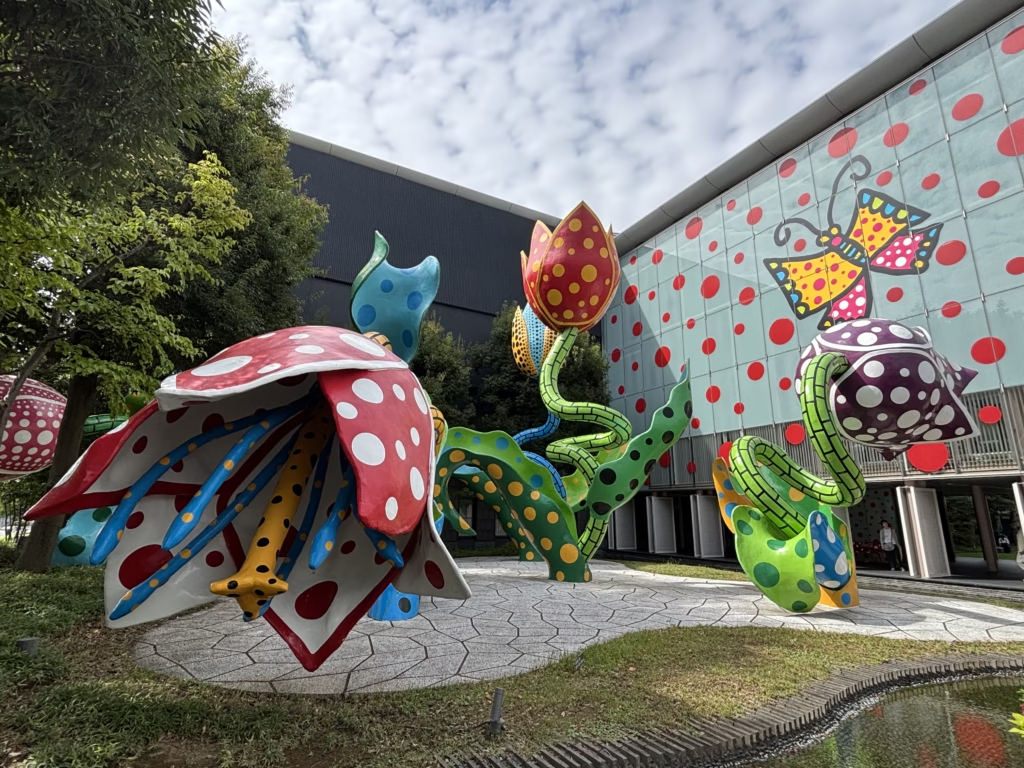
Next on our itinerary, we walked over to the Matsumoto City Museum of Art, a vibrant cultural hub in Matsumoto that beautifully highlights the city’s artistic heritage. The museum features works by Yayoi Kusama, the world-renowned avant-garde artist famous for her iconic yellow pumpkin sculptures and signature polka dots. Kusama, who was born in Matsumoto in 1929, has also contributed extensively to art projects beyond the city, including the famed installations on Naoshima Island.
The exhibition was a vivid feast for the senses—thought-provoking and immersive—giving us a deep appreciation for contemporary Japanese art. Walking through Kusama’s collection felt like stepping inside her unique world, where her expressive use of repetition and colorful dots evokes a range of emotions and reflections. The museum also showcased works by other notable Japanese artists inspired by Matsumoto’s stunning landscapes, including powerful calligraphy and evocative paintings.

This museum, with its eye-catching polka-dotted exterior and thoughtful curation, offers not only striking art but also a glimpse into the creative spirit nurtured by Matsumoto’s environment. It is a must-visit for art lovers following any Matsumoto and Kamikochi sightseeing guide.
Former Kaichi School – Pseudo-Western Architecture

Continuing our journey, we enjoyed a leisurely 30-minute walk to the Former Kaichi School, a truly fascinating historical gem that beautifully encapsulates Japan’s Meiji-era ambitions and architectural creativity. This unique building, dating back to 1876, exemplifies the pseudo-Western style known as “giyōfū,” where traditional Japanese craftsmanship meets an imaginative yet imperfect interpretation of European architecture.
The Former Kaichi School stands out with its charming mix of styles—a traditional Japanese tiled roof crowns a façade that tries to mimic Western stone and brickwork using wood and plaster. Ornate decorations like Buddhist cloud carvings and a mysterious dragon adorn the building, reflecting a blend of spiritual and cultural histories converging in one structure. It’s a vivid symbol of the Meiji Restoration period, a time when Japan, freshly emerged from centuries of isolation, eagerly absorbed Western influences while preserving its identity.

Inside, the school still retains the atmosphere of a lively learning space, with classrooms set up as if students had just stepped out for recess. Walking the corridors gives you an intimate look into the educational reforms of the late 19th century—a period when reading, writing, arithmetic, and even English were first being taught to eager young minds in Matsumoto. The Former Kaichi School is not just an architectural marvel but a heartfelt tribute to Japan’s journey through modernization, making it a must-visit on any Matsumoto itinerary and a captivating stop on the Matsumoto and Kamikochi sightseeing guide.
A Swiss Surprise: Züpfe Bread in Matsumoto

On our very first day in Matsumoto, we stumbled upon a delightful little discovery hidden right beneath the cozy atmosphere of Laboratorio Coffee—a small bakery run by a remarkable woman who spent two decades in Niederbipp, Switzerland. She lovingly carries on the cherished Swiss tradition of baking Züpfe, a soft, buttery braided bread that is a beloved staple from the Bern region.
This bread isn’t just any loaf; it’s a piece of Swiss heritage, crafted with care and infused with the warmth of home. The texture is tender yet resilient, with just the right balance of buttery richness and a hint of sweetness that makes it perfect for breakfast or a comforting snack. What makes this bakery truly special (and a coveted secret among locals and travelers alike) is its rare appearance—Züpfe is sold only once a month, exclusively on the third Sunday, making it a precious find for any bread lover fortunate enough to visit on the right day.
Though we learned about this timing a bit too late to bring home a loaf, we felt compelled to share this gem with other wanderers and food enthusiasts. For those who cherish authentic, handmade bread with a story baked into every slice, seeking out this monthly bread sale beneath Laboratorio Coffee is a must when crafting a vibrant Matsumoto itinerary that blends cultural surprises with culinary delights.
Last Ramen Stop Before Tokyo
Before heading back to Tokyo, we ate at Oboshi Matsumotoeki Bldg. Ten, a ramen shop inside the station. Go for the Aka Ramen (red ramen)—a spicy and flavorful way to end your trip.
Looking for Another Historic Day Trip? Visit Narai-juku

Just a short train ride from Matsumoto lies one of the most atmospheric destinations in Nagano Prefecture: Narai-juku. Our journey began at Narai Station, a small wooden stop that instantly felt like stepping back in time. As one of the best-preserved post towns along the historic Nakasendo route connecting Kyoto and Edo (modern-day Tokyo), Narai offers a rare glimpse into Japan’s past.
Walking through the village, we were surrounded by beautifully preserved wooden buildings, many of which continue to house family-run businesses selling lacquerware, traditional crafts, and regional specialties. Unlike many famous tourist destinations, Narai retains a remarkable sense of authenticity. The absence of heavy traffic, bright advertisements, and large crowds allows visitors to appreciate the quiet atmosphere that once welcomed merchants, samurai, and pilgrims traveling through the mountains.
What impressed us most was the pace of life. The village encourages visitors to slow down, wander through narrow lanes, admire centuries-old architecture, and simply enjoy the peaceful surroundings. The scent of aged wood, the traditional storefronts, and the mountain backdrop combine to create one of the most memorable historical experiences in central Japan.
If you have an extra day in Matsumoto, I highly recommend visiting Narai-juku. It offers a completely different perspective on the region and is one of the most authentic Edo-period towns we have visited in Japan.
Final Thoughts
This 3-day Matsumoto travel itinerary covers a wide range of experiences: traditional castles, mountain hikes, quirky architecture, and delicious food. From visiting the Daio Wasabi Farm and exploring Matsumoto Castle to hiking in Kamikochi and finding Swiss bread in a hidden corner of the city, Matsumoto offers something for everyone.
If you’re planning a trip to Japan’s Alps region, this guide highlights the best things to do in Matsumoto in 3 days. It’s a perfect mix of culture, nature, and culinary adventure.
Author

Get My Personal Travel Maps
Keep Reading: More Articles You'll Love
 Living in Japan vs Korea – The Ultimate Expat Guide
  Japan Travel Myths vs Reality: What Tourists Still Get Wrong About Japan
  Is Japanese Food Actually Chinese? Understanding the Real Japanese Food Origin
  Living in Tokyo vs Zurich – The Ultimate Expat Guide
  10 Bizarre Foods in Japan You Have to Try Once
  Exploring Odawara Castle: A Journey into History and Culture
  The Making of Harry Potter in Tokyo: Where Magic Meets the City