
Choosing between an Airbnb, a hotel and a capsule hotel in Japan mostly comes down to three things: your budget, how many people you travel with and how much space you need. For most first time visitors, a business hotel is the best all round choice. Capsule hotels are great for solo travellers on a budget for a night or two, and apartments make sense for families or longer stays, as long as the listing is properly licensed.
This guide compares all three options side by side, explains how Japan’s rules for short term rentals work and gives you a simple way to decide. I spent three years in Tokyo as a student at Waseda, so I have seen the city from the perspective of both a resident and a visitor.

Quick Comparison
| Business hotel | Capsule hotel | Airbnb or apartment | |
|---|---|---|---|
| Best for | Most travellers, couples | Solo travellers, short stays | Families, groups, long stays |
| Typical price | About 8,000 to 20,000 yen per room | About 3,000 to 7,000 yen per person | Varies widely, often good value per person |
| Privacy | Private room and bathroom | Private pod, shared bathrooms | Full apartment |
| Space | Small | Very small | Usually the most |
| Luggage | Fits in the room | Lockers, often limited | No problem |
| Front desk | Yes, usually 24 hours | Yes | Often self check in |
| Kitchen and laundry | Coin laundry common | Sometimes laundry | Often both |
Prices are rough ranges and change a lot with season, city and demand. Tokyo and Kyoto in cherry blossom season can easily cost double.
Hotels in Japan: Business Hotels and More
A Japanese business hotel is a simple, clean hotel aimed at people travelling for work. Rooms are small, but you usually get everything you need: a comfortable bed, a compact bathroom with a bathtub, pyjamas, slippers, a kettle and good toiletries. Many chains also have a large public bath, free breakfast or coin laundry.
Why business hotels work so well:
- They are often right next to major train stations.
- Check in is easy and staff are used to foreign guests.
- Quality is consistent, even at lower price points.
- You can store luggage before check in and after check out.
The main downside is space. A standard double room can feel tight with two large suitcases. If you want to understand star ratings and hotel categories, read my guide on how hotels are ranked in Japan.
My own pick among the chains is Toyoko Inn. The rooms are small, but they are clean, the price is fair and there is one close to almost every big station. One chain I avoid is APA Hotel, because of the political views of its founder.
Capsule Hotels: What to Expect
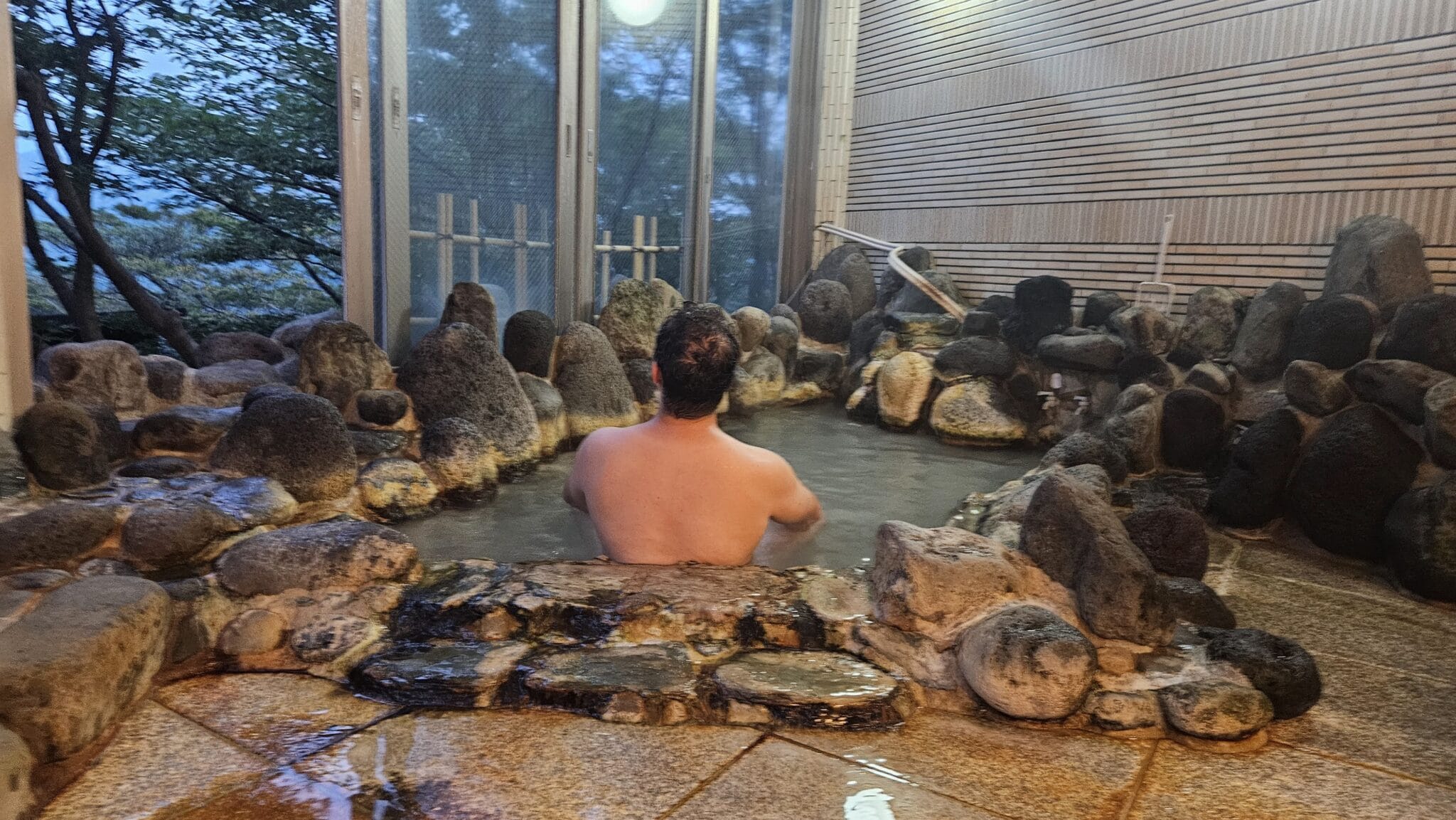
A capsule hotel gives you a sleeping pod instead of a room. Pods are usually big enough to sit up in and have a light, a power outlet and a curtain or shutter. Bathrooms, showers and lounges are shared. Many capsule hotels also have a large bath or sauna.
Things to know before you book:
- Gender separation: most capsule hotels have separate floors for men and women. Some are men only, so check before booking.
- Luggage: lockers are often too small for large suitcases. Some places store big bags at the front desk.
- Check out rules: many capsule hotels ask you to leave in the morning, even if you stay several nights.
- Noise: pods do not block sound well. Earplugs help.
- Tattoos: if there is a public bath, tattoo rules may apply.
Capsule hotels are fun for a night or two, especially if you arrive late or want to experience something very Japanese. For a full week, most people prefer a real room.
Airbnb and Apartments in Japan
Short term rentals in Japan are regulated. Since 2018, hosts need to register their property and display a registration or licence number. Some cities and neighbourhoods have extra restrictions on when and where homes can be rented. On Airbnb, licensed listings show this number in the listing details.
Why this matters for you: unlicensed listings can be cancelled at short notice, and neighbours may complain about noise or garbage. Always check for the licence number and read recent reviews.
Apartments make sense when:
- you travel as a family or group of three or more
- you stay a week or longer and want a kitchen and washing machine
- you want to experience a residential neighbourhood
Keep in mind that Japanese apartments are often small too, and many have strict garbage sorting rules. Expect self check in with a key box or smart lock and no staff to help if something goes wrong.
Do Not Forget Ryokan and Hostels
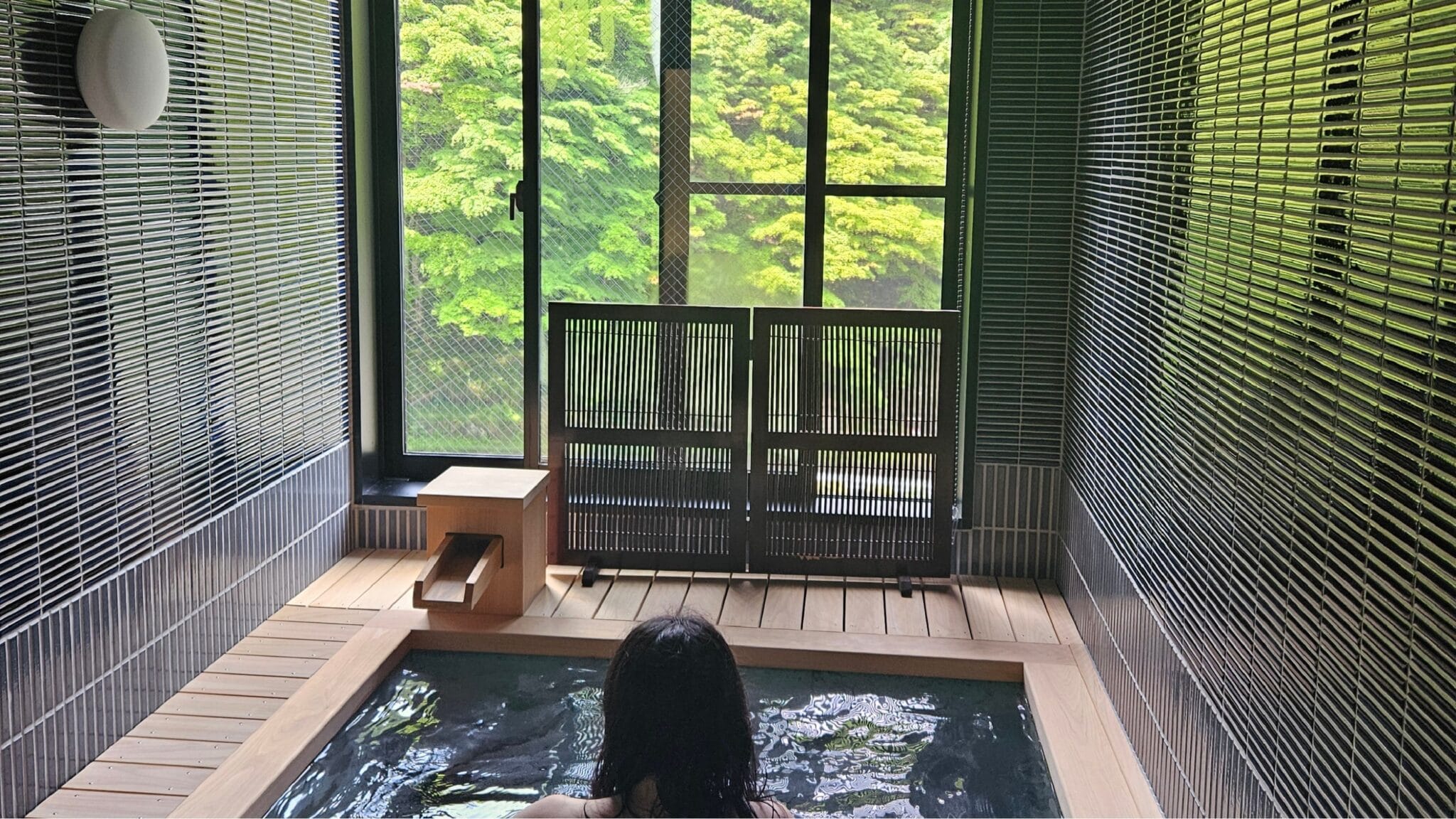
Two more options are worth considering. A ryokan is a traditional Japanese inn with tatami rooms, futons and often dinner and breakfast included. It is more of an experience than just a place to sleep, so many travellers book one or two nights in the countryside or at an onsen town. My onsen ryokan guide explains how it works.
Hostels are another budget option. They usually have dorms and private rooms, kitchens and a social atmosphere, which can be better than a capsule hotel if you want to meet other travellers.
Which Should You Choose?
Here is a simple way to decide:
- Solo, tight budget, short stay: capsule hotel or hostel.
- Solo or couple, first trip: business hotel near a major station.
- Family or group: licensed apartment or a hotel with family rooms.
- Special occasion: one or two nights in a ryokan.
- Long stay of several weeks: apartment or monthly rental.
Many travellers mix them. For example, a business hotel in Tokyo, a ryokan in the mountains and a capsule hotel for one night before an early flight.
I have never slept in a capsule hotel, because for what you get the price was too high for me. Friends of mine stayed in an Airbnb in Koenji instead. All the apartments they found were small, but they had a bit more freedom than in a hotel.
Where to Stay in Tokyo, Kyoto and Osaka
Location matters more than room type in Japan. Being close to a train station saves you a lot of time every day. In Tokyo, areas like Shinjuku, Shibuya, Ueno and Tokyo Station are convenient bases. Read my guide on where to stay in Tokyo for neighbourhood tips, and where to stay in Kyoto and Osaka for the Kansai region.
Frequently Asked Questions
Are business hotels cheaper in Japan?
Usually, yes. Business hotels are among the cheapest private rooms you can book in Japan, while still offering a private bathroom and good cleanliness.
What does business hotel mean in Japan?
It is a simple, functional hotel originally aimed at business travellers. Rooms are compact, prices are moderate and locations are usually near stations.
Why are hotels in Japan so expensive?
Demand from tourism has grown strongly, especially in Tokyo and Kyoto, and land in central areas is expensive. Prices also jump during holidays and peak seasons. Booking early helps.
Is Airbnb legal in Japan?
Yes, if the host is registered. Licensed listings show a registration number. Unlicensed rentals are not allowed and can be cancelled.
Can couples stay in a capsule hotel?
Most capsule hotels separate men and women, so couples sleep in different areas. Some newer places offer double pods or mixed floors, but check before booking.
How do I book a hotel in Japan?
The big international booking sites work well. Japanese platforms sometimes have extra deals. Book early for cherry blossom season, Golden Week and autumn.
Which part of Tokyo has the best hotels?
It depends on your style. Shinjuku and Shibuya are lively, Tokyo Station and Ginza are central and upscale, and Ueno and Asakusa are often better value.
Final Thoughts
There is no single best option. Business hotels are the safe choice, capsule hotels are a fun budget experience and licensed apartments are great for families. To plan your budget, check my guide to what a Japan trip costs.
Author

Get My Personal Travel Maps


Leave a Reply