
This post contains affiliate links. If you book through them, I may earn a small commission at no extra cost to you. More about this.
Planning a Kyoto trip with family can be overwhelming. The city has thousands of temples, shrines and historic streets, and working out what is actually worth it with parents, teenagers or young kids in tow is half the battle. On my third visit, in October 2025, I travelled with my family, including my brother seeing Kyoto for the first time, so rather than trying to see everything we built a realistic three-day itinerary that mixes the icons with quieter spots most first-timers miss.
Everything here is based on that trip. We walked the old streets of Ninenzaka and Sannenzaka, climbed the torii gates of Fushimi Inari, found calm at Daigo-ji and tracked down hidden temples like Otagi Nenbutsuji in Arashiyama, learning along the way which places are genuinely family-friendly, which are worth the entrance fee and how to dodge the worst of the crowds.
If you want the broader list beyond this family route, see my pick of the best places to visit in Kyoto, from Fushimi Inari to Gion.
Book Kyoto tours and family activities
With kids or grandparents along, a few pre-booked tickets and tours take the stress out of the busy days. You can browse current things to do in Kyoto on Klook below.
Where to Stay in Kyoto with Family: My Honest Experience
Choosing the right area to stay in Kyoto can have a major impact on your trip, especially if you are traveling with family. During our October 2025 visit, we stayed at Sakura Terrace Hotel near Kyoto Station because of its convenient location and relatively affordable price. While the hotel may work well for budget-conscious travelers and backpackers, it was not the best fit for our family group.
One of the reasons we chose the property was its easy access to public transportation, which made exploring Kyoto straightforward. However, the overall atmosphere felt geared more toward younger independent travelers than families. During our stay, we experienced significant noise from other guests, and on one night a loud disturbance was enough to wake me despite normally being a very deep sleeper. The shared laundry facilities were also less practical than expected, and the advertised gym consisted of only two treadmills.
For families visiting Kyoto, I would personally recommend looking for accommodation in the Gion or Higashiyama districts instead. These neighborhoods place you within walking distance of many of Kyoto’s most famous cultural attractions, including historic streets, temples, traditional tea houses, and scenic walking routes. Staying in these areas reduces travel time, creates a more authentic atmosphere, and allows for relaxed evening strolls after the day-trippers have left.
If your goal is to plan the perfect Kyoto family itinerary, choosing a quieter hotel in Gion or Higashiyama may ultimately improve your experience more than saving a small amount on accommodation near Kyoto Station. In my experience, location, atmosphere, and comfort matter just as much as price when traveling with family.
Ninenzaka and Sannenzaka: Kyoto’s Most Beautiful Historic Streets
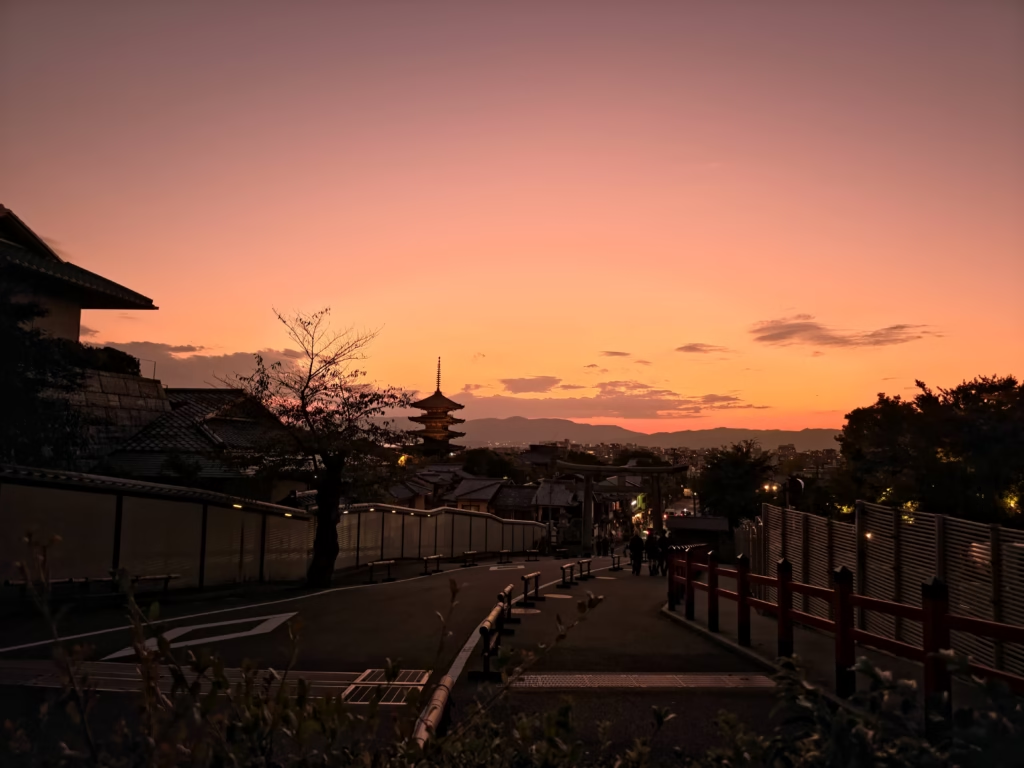
No Kyoto family itinerary feels complete without a visit to Ninenzaka and Sannenzaka, two of the city’s most famous preserved historic streets in the Higashiyama district. Known for their traditional wooden buildings, small local shops, and postcard-perfect views of Kyoto’s historic skyline, these streets offer one of the best opportunities to experience what old Kyoto looked like centuries ago.
We visited shortly after arriving in Kyoto and intentionally planned our visit for the late afternoon. In my opinion, the best time to visit Ninenzaka is one to two hours before sunset. This allows you to enjoy the area during daylight, browse the shops at a relaxed pace, and then watch the streets transform as the golden evening light illuminates the wooden facades and surrounding temples. For photographers, this is easily one of the most rewarding times of day in Kyoto.
Although Ninenzaka is one of Kyoto’s most popular tourist destinations, we found that crowd levels varied significantly depending on the exact location. The main route leading toward the famous Yasaka Pagoda was naturally busy, but several side streets were surprisingly calm and enjoyable. During our late October visit, the crowds remained manageable and the area felt perfectly suitable for families traveling with children.
One of the highlights of exploring Ninenzaka and nearby Sannenzaka is simply wandering without a strict plan. The streets are lined with traditional souvenir stores, tea shops, local snack vendors, and specialty stores selling Kyoto crafts. We spent time browsing matcha sweets, handmade decorations, and unique gifts before continuing toward the quieter sections of Higashiyama.
Together, Ninenzaka and Sannenzaka offer far more than a photo opportunity. They provide a glimpse into Kyoto’s historical atmosphere while remaining accessible, family-friendly, and filled with small discoveries around every corner. If you are visiting Kyoto for the first time, this is one of the best places to begin your exploration of the city.
What to Eat in Kyoto: Don’t Skip the Famous Kyoto Cucumber
While Kyoto is famous for kaiseki cuisine, matcha desserts, and yuba (tofu skin), one of the most memorable foods I tried was surprisingly simple: Kyoto cucumber seasoned with sesame oil and chili.
You will often find it sold at street food stalls, local markets, and small snack shops throughout Kyoto’s historic districts. Unlike many cucumbers commonly found in Europe, Japanese cucumbers are thinner-skinned, noticeably crunchier, and contain fewer seeds, giving them a refreshing texture that is perfect after spending hours walking between temples and shrines.
The version I tried was lightly dressed with sesame oil, chili, and simple seasonings. The combination of crisp cucumber, nutty sesame flavor, and gentle spice created one of the most refreshing snacks of the entire trip. It was light enough to enjoy between meals while still being packed with flavor.
If you are exploring Ninenzaka, Sannenzaka, or other popular sightseeing areas in Kyoto, keep an eye out for cucumber stalls. While it may not be as famous as matcha sweets or traditional Kyoto cuisine, it is an affordable local snack that perfectly captures the simplicity and freshness of Japanese street food culture.
Is Daigo-ji Temple Worth Visiting? A Peaceful Alternative to Kyoto’s Crowded Temples

With more than a thousand temples scattered across Kyoto, choosing which ones to visit can be difficult. After exploring several of the city’s most famous religious sites, I found Daigo-ji Temple to be one of the most rewarding and underrated temple experiences in Kyoto. Unlike many of the city’s better-known attractions, Daigo-ji offers a much quieter atmosphere, allowing visitors to appreciate its history, gardens, and architecture without constantly navigating large crowds.
We purchased the ¥1,500 combined admission ticket, which grants access to the temple grounds, the historic Sanboin garden, and the Reihokan Museum. For first-time visitors, I believe the combined ticket offers the best value because it provides a comprehensive introduction to one of Kyoto’s most important UNESCO World Heritage Sites. One practical detail worth knowing before your visit is that ticket purchases were cash only when we visited, so it is wise to carry enough Japanese yen before arriving.
One of the highlights of our visit was the Sanboin garden, which serves as one of the most important cultural treasures within the temple complex. Before entering, visitors remove their shoes and walk through centuries-old wooden halls that have been carefully preserved. The experience immediately creates a stronger connection to Kyoto’s history than simply viewing a building from the outside.
During our visit, the historic rooms featured contemporary floral art installations created by various artists. The contrast between modern flower arrangements and traditional Japanese architecture was striking. Rather than feeling out of place, the displays enhanced the atmosphere, transforming the historic interiors into living works of art while maintaining the peaceful character that makes Daigo-ji such a special destination.
For travelers seeking a quieter temple experience in Kyoto, Daigo-ji offers a compelling combination of history, gardens, architecture, and cultural exhibitions that many visitors overlook in favor of the city’s more crowded attractions.

Pro Tip: If you get hungry, the small traditional restaurant near the temple entrance is a gem. However, I’d skip the French-style café by the museum, it felt a bit overpriced and didn’t really fit the peaceful Japanese atmosphere of the rest of the grounds.

My Honest Take on the Museum: While the Reihokan Museum contains centuries of history, I’ll be honest: if you are short on time, this is the most skippable part of the temple. The Buddha statues are impressive, but you aren’t allowed to take photos or videos inside the museum galleries or near sacred artifacts. If you’re a photography enthusiast or traveling with kids who might get bored, I’d suggest spending your time at the pagoda and the garden instead.
Hiking Fushimi Inari to the Summit: Is It Worth It?

No Kyoto itinerary is complete without a visit to Fushimi Inari Taisha, famous for its thousands of bright orange torii gates that wind their way up Mount Inari. While many visitors stop after taking a few photos near the entrance, we decided to complete the entire hike to the summit to see whether the experience beyond the famous photo spots was truly worth the effort.
The first section of the trail is exactly what many travelers expect: crowded, busy, and filled with people trying to capture the perfect photograph beneath the torii gates. However, the atmosphere changes dramatically as you continue climbing. Once we reached the Yotsutsuji intersection, roughly the halfway point of the trail, the crowds thinned significantly. The higher we climbed, the quieter the mountain became. The gates appeared older and more weathered, the forest grew denser, and the entire experience felt far more spiritual and authentic than the lower sections of the shrine.
How Long Does the Fushimi Inari Hike Take?
For our group, reaching the summit took approximately 70 minutes, including several photo stops along the way. Visitors should be aware that this is not simply a leisurely walk. The route consists of a continuous series of stone staircases and uphill paths, making comfortable footwear highly recommended.
What Is at the Top of Fushimi Inari?
One of the biggest misconceptions about Fushimi Inari is that the summit offers the best view of Kyoto. In reality, the most impressive panoramic views are found lower down the mountain, particularly near the Yotsutsuji viewpoint. The summit itself is much more understated, featuring smaller shrines, hidden altars, and a noticeably quieter atmosphere.
For me, the real reward was not the destination but the journey itself. The higher sections of Mount Inari felt completely different from the crowded entrance area, offering moments of peace that many visitors never experience.
Practical Tips for the Fushimi Inari Trail
- Allow at least 2 to 3 hours for the full round-trip hike.
- Bring water, especially during warmer months.
- Vending machines are available throughout the route, although prices increase as you climb higher.
- Visit early in the morning or later in the afternoon to avoid the largest crowds.
- Don’t turn around at the first viewpoint. The quieter upper sections are where the experience becomes truly memorable.
For travelers wondering whether hiking Fushimi Inari to the summit is worth it, my answer is yes. The famous torii gates are impressive, but the peaceful upper trails reveal a completely different side of one of Kyoto’s most visited attractions.
Otagi Nenbutsuji Temple: Kyoto’s Most Underrated Hidden Gem
If you are looking for hidden gems in Kyoto or want to escape the crowds of Arashiyama, I believe Otagi Nenbutsuji Temple is one of the most rewarding places to visit. Located in the hills above Arashiyama, this lesser-known temple attracts only a fraction of the visitors who flock to the nearby Bamboo Grove, making it an ideal destination for travelers seeking a quieter side of Kyoto.
During our final day in Kyoto, we used a simple travel strategy that made the experience much easier. Rather than walking uphill from central Arashiyama, we took a taxi directly to the temple entrance and then followed the route downhill through the historic district toward the Bamboo Grove. This approach saved us a long uphill climb and allowed us to enjoy the area’s attractions at a much more relaxed pace, which was particularly helpful while traveling with family.
What makes Otagi Nenbutsuji unique is its collection of 1,200 stone rakan statues scattered throughout the temple grounds. Unlike the formal and often solemn atmosphere of many famous Kyoto temples, these statues feel surprisingly human and approachable. Each one was carved by a different person and has its own personality and expression.
As we explored the moss-covered pathways, we found ourselves constantly stopping to examine the details. Some statues appeared to be laughing, others looked deep in thought, and a few were holding unexpected objects such as tennis rackets or musical instruments. Discovering these small details turned the visit into something almost like a treasure hunt rather than a traditional temple experience.
For travelers searching for authentic Kyoto experiences beyond the major tourist attractions, Otagi Nenbutsuji offers something increasingly rare: peace, character, and the opportunity to explore at your own pace. We arrived shortly after opening and had much of the temple grounds almost entirely to ourselves, a stark contrast to the crowds we encountered later at the Arashiyama Bamboo Grove.
If you only have time for one lesser-known temple in Kyoto, Otagi Nenbutsuji deserves a place near the top of your itinerary.

One of the most enjoyable parts of our Arashiyama itinerary was the walk from Otagi Nenbutsuji down through the historic Saga Toriimoto district. While many visitors focus exclusively on the Bamboo Grove, this preserved street offers a glimpse into a quieter and more traditional side of Kyoto that feels largely unchanged from centuries past.
As we descended the hillside, the atmosphere changed almost immediately. Modern roads gave way to traditional pathways, and the scenery became dominated by beautifully preserved farmhouses with distinctive thatched roofs. The area felt far removed from the busy tourist centers of Kyoto and provided some of the most authentic historic streets we encountered during our trip.
One of the highlights along this route is Adashino Nenbutsuji Temple, a peaceful and deeply atmospheric temple that many international visitors overlook. The temple is best known for its approximately 8,000 stone memorial statues, which were erected in memory of people who passed away without family or relatives to care for their graves. Despite this solemn history, the grounds do not feel depressing. Instead, the temple possesses a remarkable sense of tranquility.
What struck me most was the contrast between human history and nature. Over the decades, vibrant green moss has gradually covered many of the stone monuments, softening their appearance and creating an almost dreamlike landscape. The result is one of the most photogenic and contemplative temple environments in Kyoto.
For travelers exploring Arashiyama beyond the Bamboo Grove, I highly recommend including both Saga Toriimoto and Adashino Nenbutsuji in your itinerary. Together, they offer a quieter, more reflective experience that showcases a side of Kyoto many visitors never discover.
Insider Tip: Don’t just look at the statues, head to the back of the temple grounds. There is a small bamboo grove here with a staircase leading through it. It’s a “mini” version of the famous Arashiyama grove, but because we were the only ones there, it felt far more authentic and provided a much better photo opportunity without the crowds.

Just a short walk from the crowded attractions of Arashiyama lies one of Kyoto’s most peaceful hidden gems: Gio-ji Temple. While thousands of visitors gather at the nearby Bamboo Grove every day, Gio-ji offers a completely different experience. The atmosphere is quiet, contemplative, and perfectly suited for travelers who want to slow down and appreciate Kyoto beyond its most famous landmarks.
Originally established as a Buddhist convent, Gio-ji is best known for its extraordinary moss garden. At first glance, the garden appears to be a simple carpet of green. However, visitors quickly discover that it contains more than 40 different species of moss, creating a rich variety of textures and shades that change throughout the day depending on the light and weather conditions.
During our visit, we spent time sitting on the wooden veranda of the traditional thatched-roof building overlooking the garden. What impressed me most was how the sunlight filtered through the surrounding maple trees. Every few minutes the appearance of the moss seemed to change, creating a soft glowing effect that photographs struggle to capture. It was one of the few places in Kyoto where we felt no pressure to move on quickly or compete with crowds for a photo.
Is Gio-ji Worth Visiting?
For travelers seeking quiet temples, hidden gardens, or less crowded attractions in Arashiyama, my answer is absolutely yes. While it lacks the fame of the Bamboo Grove or Fushimi Inari, Gio-ji delivers something increasingly rare in Kyoto: genuine tranquility.
Practical Visitor Tips
Admission costs only ¥300, making Gio-ji one of the best-value temple visits in Kyoto. If you also plan to visit nearby Daikaku-ji Temple, consider purchasing the ¥600 combination ticket. Not only does it save money, but it also encourages you to explore the residential streets of Saga-Arashiyama, an area that most tourists completely overlook.
For anyone interested in Kyoto’s famous gardens, slow travel experiences, or hidden temples, Gio-ji deserves a place on the itinerary. It may be small, but it was one of the most memorable stops of our entire trip.
Is the Arashiyama Bamboo Grove Worth Visiting?

The Arashiyama Bamboo Grove is one of Kyoto’s most photographed attractions and regularly appears on lists of the best things to do in Kyoto. However, after visiting both the Bamboo Grove and the lesser-known temples surrounding it, I think it’s important to set realistic expectations before you go.
Many first-time visitors imagine a vast bamboo forest stretching for miles through the mountains. In reality, the famous bamboo path is relatively short and can become extremely crowded, especially during peak travel seasons and midday hours. Large tour groups frequently pass through the area, which can make it difficult to experience the peaceful atmosphere often portrayed in travel photography.
For that reason, I would not recommend visiting Arashiyama solely for the Bamboo Grove. On its own, the experience may feel underwhelming compared to the expectations created by social media and guidebooks.
What made the Bamboo Grove enjoyable for us was the way we approached it. Rather than making it the main destination, we treated it as the final stop of a longer walking route through the quieter parts of Saga-Arashiyama. After exploring Otagi Nenbutsuji, Adashino Nenbutsuji, Saga Toriimoto, and Gio-ji, the bamboo path felt like a natural conclusion to the day rather than the primary attraction.
How to Enjoy the Bamboo Grove Without Disappointment
- Visit early in the morning if possible.
- Combine it with nearby temples and historic streets.
- Explore the upper Arashiyama area before heading downhill.
- Treat the grove as part of a broader Arashiyama itinerary rather than the sole reason for visiting.
In my experience, the true charm of Arashiyama lies not in the Bamboo Grove itself but in the hidden temples, quiet gardens, and historic neighborhoods that surround it. The bamboo forest is beautiful, but the lesser-known attractions nearby are what made this part of Kyoto memorable.

Near the main entrance to the Bamboo Forest, keep an ear out for a distinct whistling sound or the smell of wood smoke, that’s the Yaki Imo (roasted sweet potato) vendor. Unlike the flashy tourist cafes nearby, these are usually sold from the back of small trucks or simple stalls.
The Real Experience: We bought a large one to share for about ¥600. They are served piping hot in a simple brown paper bag, which doubled as a hand-warmer as the temperature dropped in the afternoon.
Eating Kyoto: Small Bites and Street Surprises
What to Eat in Kyoto: Family-Friendly Food Tips and Nishiki Market Advice
Kyoto is one of Japan’s most celebrated food destinations, but the sheer number of restaurants, markets, street food stalls, and traditional dining experiences can feel overwhelming, especially for first-time visitors traveling with family. After spending several days exploring the city, we discovered that some of our favorite food experiences came from simple local specialties rather than expensive fine dining.
One of the best places to begin exploring Kyoto’s food culture is Nishiki Market, often referred to as “Kyoto’s Kitchen.” Stretching across several blocks in the city center, the market is home to dozens of vendors selling local specialties, fresh seafood, traditional sweets, pickles, and seasonal snacks.
Nishiki Market and the “No Eating While Walking” Rule
One important thing many visitors don’t realize before arriving is that Nishiki Market discourages eating while walking. Unlike many street food markets around the world, visitors are generally expected to consume food directly in front of the stall where it was purchased before continuing to explore. Following this local custom helps reduce congestion and shows respect for both vendors and other visitors.
For families, this actually creates a more relaxed experience. Instead of rushing through the market, we found ourselves stopping frequently to share snacks, compare flavors, and discover foods we might otherwise have overlooked.
Family-Friendly Foods to Try in Kyoto
Some of the easiest foods for families and first-time visitors to enjoy include:
- Tamagoyaki (Japanese rolled omelet)
- Freshly grilled seafood skewers
- Matcha sweets and desserts
- Mitarashi dango rice dumplings
- Kyoto-style pickles
- Yuba (tofu skin), a famous Kyoto specialty
Many of these foods are affordable, easy to share, and available throughout the city, making them perfect for travelers who want to sample a wide variety of local flavors without committing to a full restaurant meal.
While Kyoto is famous for high-end kaiseki dining, some of our most memorable food experiences came from small market stalls, family-run shops, and simple local specialties discovered while wandering between temples and historic streets.
Nishiki Market is a narrow, 400-year-old street with over 100 stalls. Since 2019, “eating while walking” is officially banned to prevent crowding. You must stand still at the stall where you bought your food.
- Must-Try: The Tamagoyaki (rolled omelet) on a stick for ¥150 and the fresh Scallop skewers with butter soy sauce.
- For Kids: The Choco-croquettes are a hit if they are tired of savory flavors.
Street Food & Snacks
- Mitarashi Dango: Look for the vendors near the entrance of temples. We paid ¥300 for 3 skewers. They are charred over charcoal and dipped in a sweet-salty soy glaze. Share the first one, a lot of people don’t like the sweet and salty soy sauce smell.
- The “Cucumber Hack”: On hot days, buy the chilled pickled cucumbers on a stick. They are seasoned with sesame and chili and are the most refreshing way to hydrate between shrines.
Finding the “Real” Hidden Gems
Don’t just stick to the main roads. Our favorite meal was a tiny 6-seat Udon shop in Higashiyama (look for the “Noren” curtains in side alleys).
- Order this: Kitsune Udon with Yuba (tofu skin). The yuba in Kyoto is famous for being creamy and silk-like. It’s a mild flavor that even picky eaters usually enjoy.
- Pontocho Alley: Visit this area around 5:30 PM. It’s the best time to see the lanterns light up and spot Geisha (Maiko) heading to appointments, but make a reservation if you want to sit by the river, as these spots fill up days in advance.
Tips for Families Traveling Kyoto
- Cash is king: Many temples and small shops don’t accept cards.
- Timing matters: Visit popular places like Fushimi Inari early morning or near sunset.
- Shoes off often: Be ready to remove your shoes at temples, wear easy slip-ons.
- Stay near transit: Kyoto’s bus and subway system make temple-hopping easy.
- Bring coins: You’ll need them for temple offerings and vending machines.
Looking for a filling dinner after a long sightseeing day? Kasumi Kyoto serves steak and beer and is a nice break from the city’s café scene.
If you have an extra day, Kyoto pairs well with a relaxed family day trip to Osaka. See my Osaka travel guide for the food, Dotonbori and the easy hop over to the deer of Nara.
For the best family-friendly areas, read my guide on where to stay in Kyoto and Osaka, and plan the rest of your trip with my Japan itinerary.
Kyoto with Family FAQ
Is Kyoto good for families with kids?
Yes, with a bit of planning. Kyoto is safe, clean and easy to get around, and mixes big sights with parks, markets and hands-on experiences kids enjoy. The trick is not overloading the days with temples. Balance a couple of famous spots with downtime, snacks and a quieter temple or two and it works well for all ages.
Where is the best area to stay in Kyoto with family?
Staying near Kyoto Station or in central areas like Karasuma and Shijo is the most practical for families, with easy transport, restaurants and conveniences close by. A spacious apartment or family room beats a cramped business hotel, and being near a subway or bus line saves a lot of tired legs at the end of the day.
How many days do you need in Kyoto with family?
Three days is a comfortable amount with kids. It is enough to see the headline sights like Fushimi Inari and the historic streets, add a hidden temple or two, and still leave room for food stops and rest. With more time you can add a day trip to Nara or Osaka at a relaxed pace.
Is Fushimi Inari suitable for children?
The lower torii gates and the shrine area are easy and great for families, and that is as far as many visitors go. The full hike to the summit takes around two to three hours round trip and is steeper, so with young children it is fine to enjoy the famous gate tunnels near the bottom and turn back.
Is the Arashiyama bamboo grove worth visiting with family?
It is beautiful but short and often very crowded, so manage expectations. Going early in the morning makes a big difference, and pairing it with the wider Arashiyama area, including quieter temples and the riverside, gives families a fuller, more relaxed visit than the grove alone.
What food should families try in Kyoto?
Kyoto is great for grazing. Nishiki Market is full of small bites, and street snacks like yaki imo roasted sweet potato, mochi, matcha sweets and skewers go down well with kids. Just note the no-eating-while-walking etiquette in places like Nishiki, so stop near the stall to eat.
Final Thoughts: Planning a Better Kyoto Family Trip
After several visits to Kyoto, one lesson stands out above all others: don’t try to see everything. Kyoto has thousands of temples, shrines, gardens, and historic streets, and attempting to visit too many attractions in a short period often leads to exhaustion rather than enjoyment.
If you’re planning a Kyoto family itinerary, focus on one major attraction per day and leave room for spontaneous discoveries. Some of our favorite memories came not from famous landmarks, but from quiet streets, hidden temples, and small local restaurants we found along the way.
My Top Kyoto Family Travel Tips
- Prioritize quality over quantity and avoid “temple fatigue.”
- Visit popular attractions such as Fushimi Inari early or late in the day to avoid crowds.
- Explore lesser-known locations such as Otagi Nenbutsuji, Gio-ji, and Daigo-ji for a quieter experience.
- Spend time wandering historic districts like Ninenzaka and Sannenzaka rather than rushing between attractions.
- Consider nearby destinations such as Kanazawa if you prefer a slower-paced alternative to Kyoto.
Whether you’re visiting Kyoto for two days or a full week, the city’s greatest experiences are often found beyond the most famous tourist spots. A peaceful moss garden, a hidden temple, or a small family-run restaurant can become just as memorable as Kyoto’s world-famous landmarks.
Author

Get My Personal Travel Maps


Leave a Reply