
Tokyo is one of the best museum cities in the world, and it goes far beyond classic art galleries. You can walk through a full scale film studio, step into the world of Studio Ghibli, wade barefoot through digital art at teamLab, see goldfish turned into living art installations or spend a quiet afternoon with contemporary art. Museums are also a great plan for rainy days, hot summer afternoons and cold winter evenings.
This guide collects the museums in Tokyo I have visited myself during three years living in the city, with a short summary of each, who it suits best, how long to plan and practical tips for booking. At the end you will find more classic museums worth knowing about, tips for saving money and a quick guide to choosing the right museum for your trip.

Quick Overview
| Museum | Type | Best for | Time needed |
|---|---|---|---|
| Museum of Contemporary Art Tokyo (MOT) | Contemporary art | Art lovers, quiet afternoons | About 2 to 3 hours |
| Warner Bros. Studio Tour Tokyo | Film studio tour | Harry Potter fans, families | About 3 to 4 hours |
| Ginza Art Aquarium Museum | Art and goldfish installations | Couples, photography | About 1 to 1.5 hours |
| Ghibli Museum, Mitaka | Anime and animation | Ghibli fans, families | About 1.5 to 2 hours |
| teamLab Planets and teamLab Borderless | Immersive digital art | Photos, all ages | About 2 to 3 hours |
| The Moveum Yokohama | Immersive digital art | Day trip, rainy days | About 1 to 2 hours |
| Temporary exhibitions | Varies | Repeat visitors | Varies |
Museum of Contemporary Art Tokyo
The Museum of Contemporary Art Tokyo, often called MOT, sits in Kiba Park on the east side of the city, close to the Kiyosumi Shirakawa area with its cafes and quiet streets. The building is large and bright, and it hosts a permanent collection plus major temporary exhibitions by Japanese and international artists.
It suits travellers who want a calmer, more local museum day away from the busiest districts. Combine it with a coffee in the neighbourhood and a walk through the park. Read my full review of the Museum of Contemporary Art Tokyo.
One exhibition I covered in detail was the Ryuichi Sakamoto show, which combined sound, light and installation art. I wrote about it, and about recreating one of its glitch effects with code, in my Ryuichi Sakamoto exhibition post.
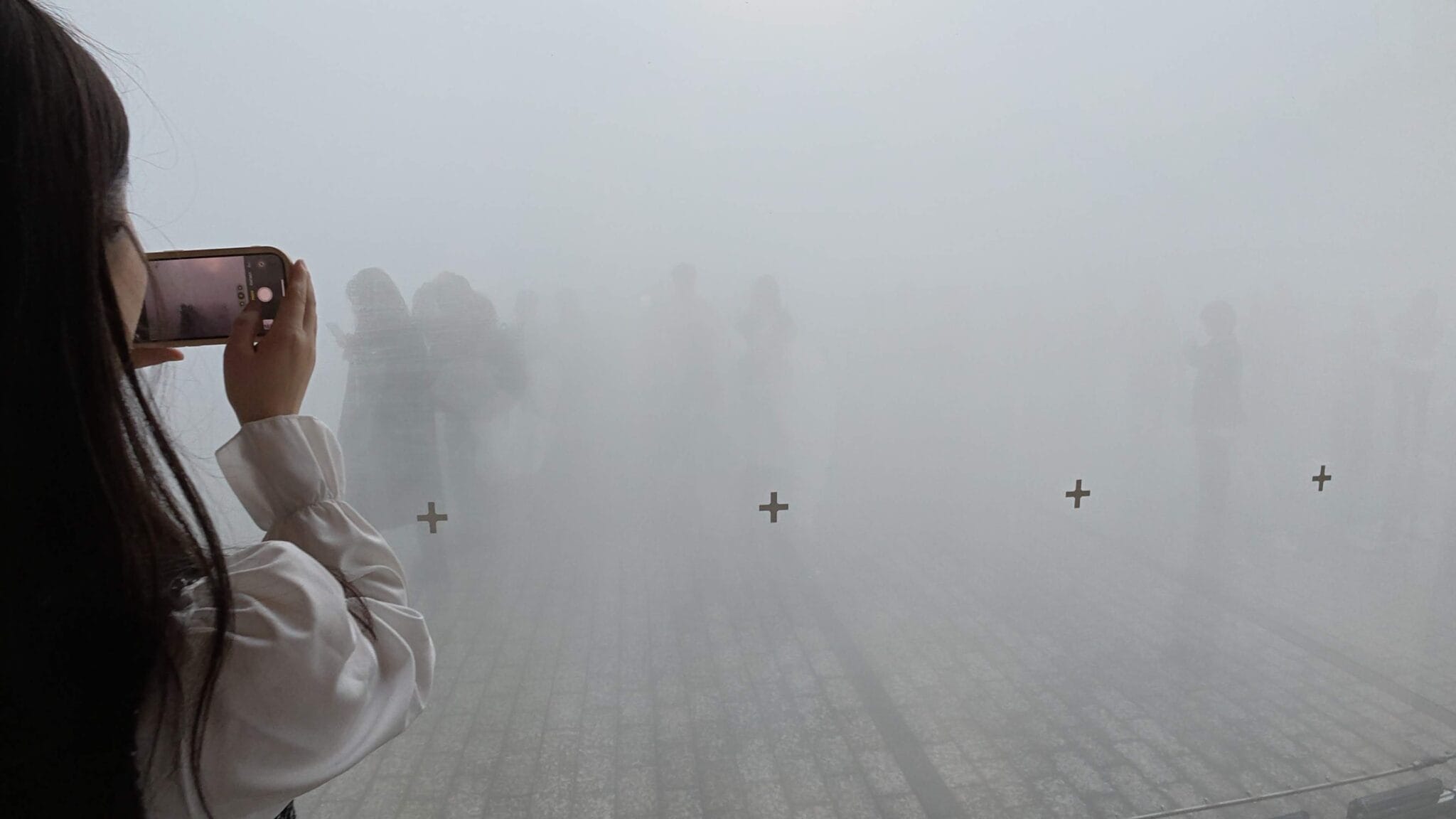
Warner Bros. Studio Tour Tokyo: The Making of Harry Potter
This is one of the most popular attractions in Tokyo for families and film fans. The walk through studio tour shows original style sets, costumes, props and behind the scenes details from the Harry Potter and Fantastic Beasts films, including the Great Hall, Diagon Alley and the Hogwarts Express platform.
Tickets are sold for timed entry slots and must be booked in advance, especially on weekends and school holidays. Plan at least half a day, and more if you are a big fan. My guide to The Making of Harry Potter in Tokyo covers tickets, highlights and tips.
My favourite part was the Ministry of Magic, followed by the room with the moving pictures, where the portraits and photos move just like they do in the films. Give yourself the full three to four hours: there is a lot of detail to look at, and you will not want to rush the last rooms.

Ginza Art Aquarium Museum
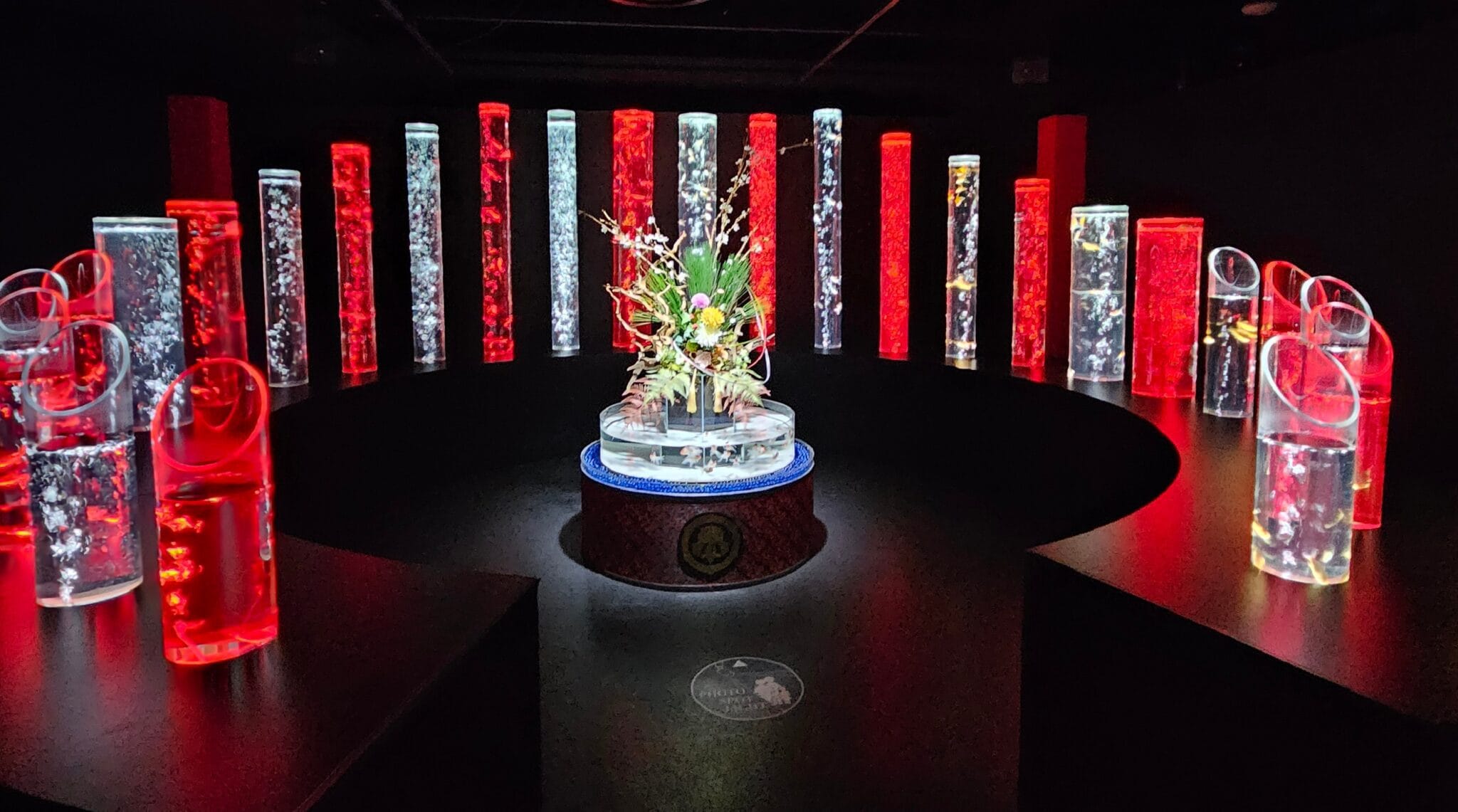
Art Aquarium turns goldfish into art. Glowing tanks in unusual shapes, coloured lights and traditional Japanese patterns create a dreamy space that feels part gallery, part aquarium. It is a popular date spot and very photogenic, especially in the evening.
It is a short visit, so it fits easily into a day of shopping and food in Ginza. Read my Ginza Art Aquarium review to see if it is for you.
The Moveum Yokohama
Technically just outside Tokyo, The Moveum in Yokohama is an immersive art space where famous paintings are projected across walls and floors with music. My review covers its exhibition on Klimt and Schiele, which brings Viennese art to life in a new way.
Yokohama is an easy day trip from Tokyo, and you can combine the Moveum with the waterfront, Chinatown and the Red Brick Warehouse. My review of The Moveum Yokohama has the details.
When I visited, the show was about Klimt and Schiele. That exhibition has ended, and the Moveum changes its programme regularly, so check what is currently on before you go. The format stays the same: you walk into a room filled with moving paintings and music, and you can sit or lie down while the art moves around you.

Ghibli Museum in Mitaka
The Ghibli Museum is the museum of Studio Ghibli, the animation studio behind My Neighbor Totoro, Spirited Away and Kiki’s Delivery Service. It sits at the edge of Inokashira Park in Mitaka, in the west of Tokyo, and it feels more like a playful house than a museum: winding staircases, small rooms full of sketches and a rooftop garden with the robot soldier from Castle in the Sky.
I have been to the Ghibli Museum, and the most important thing to know is that you cannot buy tickets at the door. Tickets are sold online only, with a fixed entry date and time, and they go on sale about a month ahead. Popular days sell out quickly, so book as soon as your dates are fixed. Inside the exhibition rooms photos are not allowed, which makes the visit feel calmer than most attractions in Tokyo. Each ticket also includes a short animated film that you can only see at the museum.
The nicest way to get there is to walk from Kichijoji station through Inokashira Park, which takes around 15 to 20 minutes. There is also a small community bus from Mitaka station. My Kichijoji guide has ideas for food and walks to combine with your visit.
teamLab Planets and teamLab Borderless
teamLab is the most famous name in immersive digital art in Tokyo, and it works equally well for art lovers, families and anyone who just wants great photos. There are two permanent venues in Tokyo, I have been to both, and they feel quite different.
- teamLab Planets in Toyosu is the one where you walk barefoot. Some rooms have knee deep water with projections of koi fish, others are covered in soft floors or giant mirrors. Wear shorts or trousers that you can roll up above the knee, and be careful with skirts because of the mirror floors.
- teamLab Borderless in Azabudai Hills is a large maze of dark rooms where the artworks move from one space to the next. There is no fixed route, so you explore at your own pace and keep discovering new rooms.

My clear favourite is teamLab Planets, because you do not just look at the art, you feel it: the water around your legs, the soft floors and the giant balls you push through. Borderless is more artistic, and the best thing you can do there is sit down in the tea house, where flowers bloom in your cup. My full comparison of teamLab Planets vs Borderless has photos of both, what to wear and which one to choose.

Both venues sell timed tickets online, and weekends and holidays sell out early. Go early in the morning or on a weekday evening for fewer people. Both are also good options on rainy days, see my guide to rainy season, typhoons and winter in Japan for more bad weather ideas.
Other Museums Worth Knowing About
Tokyo has many more museums that regularly appear on travel lists. These are the classics that are worth adding if you have time:
- Tokyo National Museum in Ueno: the oldest and largest museum in Japan, with samurai armour and swords, Buddhist statues, kimono and ukiyo-e prints. The best single place to understand Japanese art and history.
- National Museum of Nature and Science in Ueno: dinosaurs, a big natural history collection and hands on science exhibits. A good choice with kids, and only a few minutes’ walk from the National Museum.
- Mori Art Museum in Roppongi Hills: contemporary art high up in the Mori Tower, with long opening hours on most days. Combine it with the observation deck for one of the best night views in Tokyo.
- Miraikan in Odaiba: Japan’s museum of emerging science and technology, with robots and interactive exhibits. Easy to pair with a day in Odaiba.
Ueno Park alone has several major museums within walking distance, so it is the easiest area for a full museum day.
Tips for Visiting Museums in Tokyo
- Check closing days. Many museums in Japan close one day a week, often on Monday. If Monday is a national holiday, they may close on Tuesday instead.
- Book popular places online. Timed tickets are common for big attractions and sell out on weekends. The Ghibli Museum only sells tickets in advance. My list of what to book in advance for Japan covers the other places that sell out.
- Go on weekday mornings. Crowds are lighter and photos are easier.
- Use lockers. Large bags are often not allowed in exhibition rooms, but most museums have coin lockers.
- Respect photo rules. Some exhibitions allow photos everywhere, others only in marked zones.
- Consider the Grutto Pass. If you plan to visit many museums, the Grutto Pass gives free or discounted entry to around 100 museums, gardens and zoos in Tokyo and is valid for two months. It does not cover the Ghibli Museum, teamLab or the Harry Potter studio tour.
- Look for special exhibitions. Tokyo hosts major touring exhibitions every season, and they can be busier than the permanent collections.
Planning a Museum Day
Tokyo’s museums are spread across the city, so group them by area to avoid long train rides. Ginza and the Art Aquarium fit well with shopping and dinner in central Tokyo. MOT pairs nicely with a slow afternoon in Kiyosumi Shirakawa. The Harry Potter studio tour is in the northwest of the city and takes most of a day on its own. The Moveum works best as part of a Yokohama day trip with the harbour and Chinatown. The Ghibli Museum combines perfectly with Kichijoji and Inokashira Park, teamLab Planets with Toyosu and Odaiba, and teamLab Borderless with an evening in Roppongi or Azabudai Hills. Ueno is the place for classic museums.
Many museums also have good cafes and shops, which makes them a relaxing break between busier sightseeing days.
Which Museum Should You Choose?
- For film fans and families: The Harry Potter studio tour.
- For contemporary art: MOT and its changing exhibitions.
- For a short, photogenic visit: Art Aquarium in Ginza.
- For immersive art on a day trip: The Moveum Yokohama.
- For anime fans: The Ghibli Museum in Mitaka.
- For the best photos and all ages: teamLab Planets or teamLab Borderless.
- For Japanese history and art: The Tokyo National Museum in Ueno.
Frequently Asked Questions
What is the most famous museum in Tokyo?
The Tokyo National Museum in Ueno is the oldest and largest national museum in Japan. For visitors, the Harry Potter studio tour, the Ghibli Museum and teamLab are among the most popular attractions.
Do I need to book museum tickets in Tokyo in advance?
For big attractions like the Harry Potter studio tour and popular digital art museums, yes. Smaller museums usually sell tickets at the door.
Are museums in Tokyo closed on Mondays?
Many are, but not all. Always check the official website for closing days, especially around national holidays.
How long should I spend at teamLab in Tokyo?
Most visitors spend around two to three hours. Tickets are usually sold for a timed entry, but you can often stay as long as you like once inside. Check the current rules when booking.
How do I get tickets for the Ghibli Museum?
Tickets are only sold online in advance, for a fixed date and entry time, and go on sale about a month ahead. You cannot buy them at the museum, and popular days sell out quickly.
Is teamLab Planets or teamLab Borderless better?
Planets is the one where you walk barefoot through water and soft rooms, and it follows a set route. Borderless is a large maze of connected rooms that you explore freely. If you only have time for one, choose Planets for the most unusual experience. It is my favourite of the two. Choose Borderless if you prefer to wander and love art.
Are Tokyo museums good on rainy days?
Yes. Museums are one of the best rainy day activities in Tokyo, though they also get busier when the weather is bad.
Which Tokyo museum is best for kids?
The Harry Potter studio tour is a favourite with families, and Art Aquarium is short enough for younger children. Science and nature museums in Ueno and Odaiba are also popular with kids.
Are there English explanations in Tokyo museums?
Most major museums have English signs, audio guides or apps. Smaller galleries may only have Japanese text.
Tokyo’s museums show a different side of the city, from blockbuster entertainment to quiet contemporary art. Start with my Harry Potter studio tour guide or the MOT review and build your own museum day from there. For more ideas beyond museums, see my guide to things to do in Tokyo.
Get My Personal Travel Maps


Leave a Reply