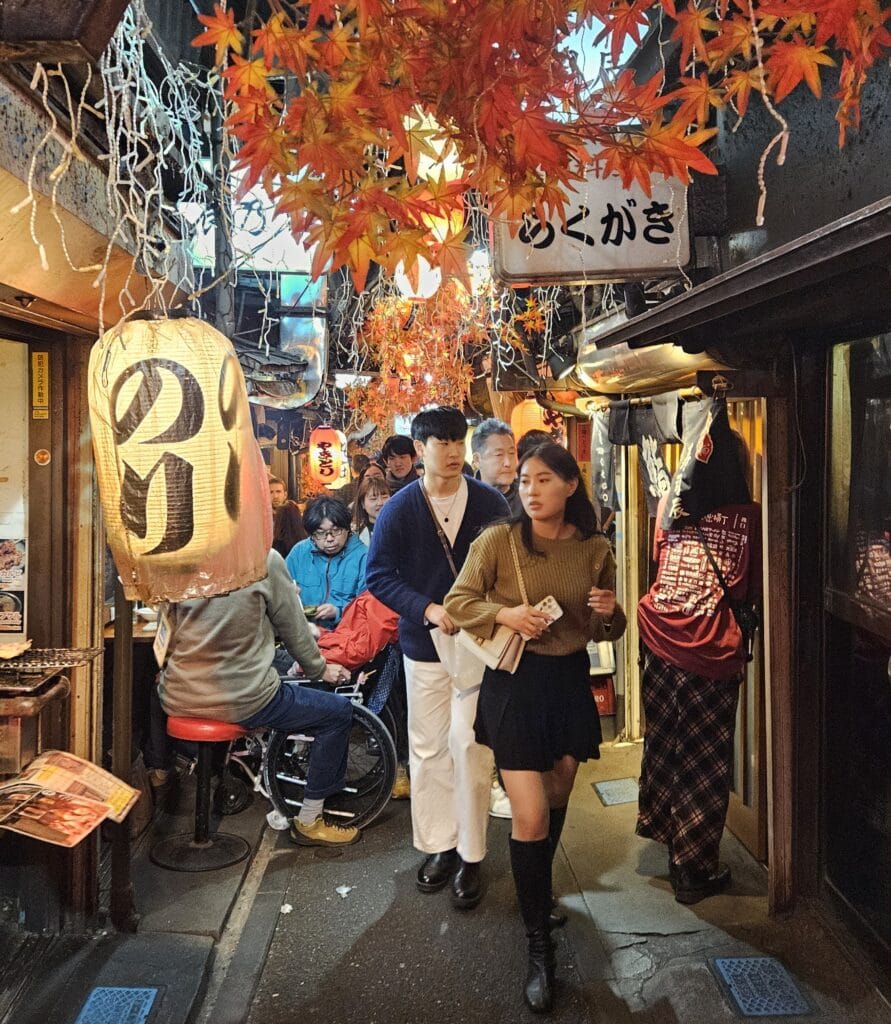
Yakitori are grilled chicken skewers, and they are one of the best value meals in Japan. You sit at a counter, order a few skewers at a time, and wash them down with a cold beer or highball. A single skewer often costs about 150 to 400 yen, so you can try many different cuts in one evening.
This guide explains the most common yakitori cuts, the difference between salt and sauce, how ordering works, and what kind of yakitori places you will find in Tokyo and beyond. Print out the cheat sheet below and you will never stare blankly at a Japanese menu again.
What Is Yakitori?
Yakitori literally means “grilled bird”. Small pieces of chicken are threaded onto bamboo skewers and grilled over charcoal, ideally binchotan, a hard white charcoal that burns very hot with little smoke. Japanese chefs use almost every part of the chicken, from thigh and breast to heart, liver and skin, so a yakitori dinner is a little tour of the whole bird.
Many yakitori restaurants also serve skewers that are not chicken, such as vegetables, pork belly or quail eggs. Strictly speaking those are “kushiyaki” (grilled skewers), but most people just call everything yakitori.
Shio or Tare: Salt or Sauce?
For most skewers you can choose how they are seasoned:
- Shio (salt): simple salt seasoning that lets the flavour of the meat shine. Often recommended for delicate cuts and offal like heart.
- Tare (sauce): a sweet and savoury glaze made from soy sauce, mirin, sugar and sake. Good restaurants top up the same pot of tare for years. It works especially well with tsukune and liver.
If you are not sure, just ask for “omakase” (chef’s choice) or say “osusume wa?” (what do you recommend?). Many chefs have a preference for each cut. Shichimi (seven spice) and sansho pepper are usually on the counter to add yourself.
I prefer shio, because it is the healthier choice.

Yakitori Cheat Sheet: Common Cuts
| Japanese name | What it is | Notes |
|---|---|---|
| Momo | Thigh | Juicy, the classic choice |
| Negima | Thigh with green onion | The most ordered skewer in Japan |
| Mune | Breast | Leaner, often served with wasabi or plum |
| Sasami | Tenderloin | Sometimes served lightly grilled and pink inside |
| Tsukune | Chicken meatball | Often with tare and a raw egg yolk dip |
| Kawa | Skin | Crispy and fatty, a bar favourite |
| Tebasaki | Wing | Crispy skin, eat with your hands |
| Hatsu | Heart | Firm and slightly springy |
| Reba | Liver | Rich and creamy, best with tare |
| Sunagimo or zuri | Gizzard | Crunchy texture, good with salt |
| Nankotsu | Cartilage | Crunchy, great with beer |
| Bonjiri | Tail | Very fatty and full of flavour |
| Seseri | Neck meat | Juicy and chewy, a local favourite |
| Chochin | Unlaid egg with oviduct | Rare, for adventurous eaters |
Popular non-chicken skewers include shiitake mushrooms, negi (green onion), ginkgo nuts (ginnan), shishito peppers, asparagus wrapped in pork, and quail eggs (uzura).
How to Order at a Yakitori Restaurant
- Get a seat: counter seats are the best, because you can watch the grill master at work.
- Order a drink first: beer, highball, sake or oolong tea. At many izakaya a small appetiser (otoshi) arrives automatically and is added to the bill.
- Order in rounds: start with two or three skewers per person, then order more. Skewers are best eaten hot, straight from the grill.
- Use the skewer cup: put finished sticks into the cup on the counter. Some places count sticks for the bill.
- Finish with a rice dish: many places offer a “shime” such as chicken rice, ochazuke or a bowl of chicken soup.
Some menus are only in Japanese. Point at what your neighbours are eating, use a translation app, or keep the cheat sheet above on your phone.
During my Tokyo years I often went to Torikizoku with student groups, because the chain is cheap and every item on the menu costs the same. The expensive yakitori restaurants in Ginza or Roppongi, at around 10,000 yen per person, are the best I have had. But for me they are not worth it for a bit of chicken, and it feels a little like a rip off.

Types of Yakitori Places
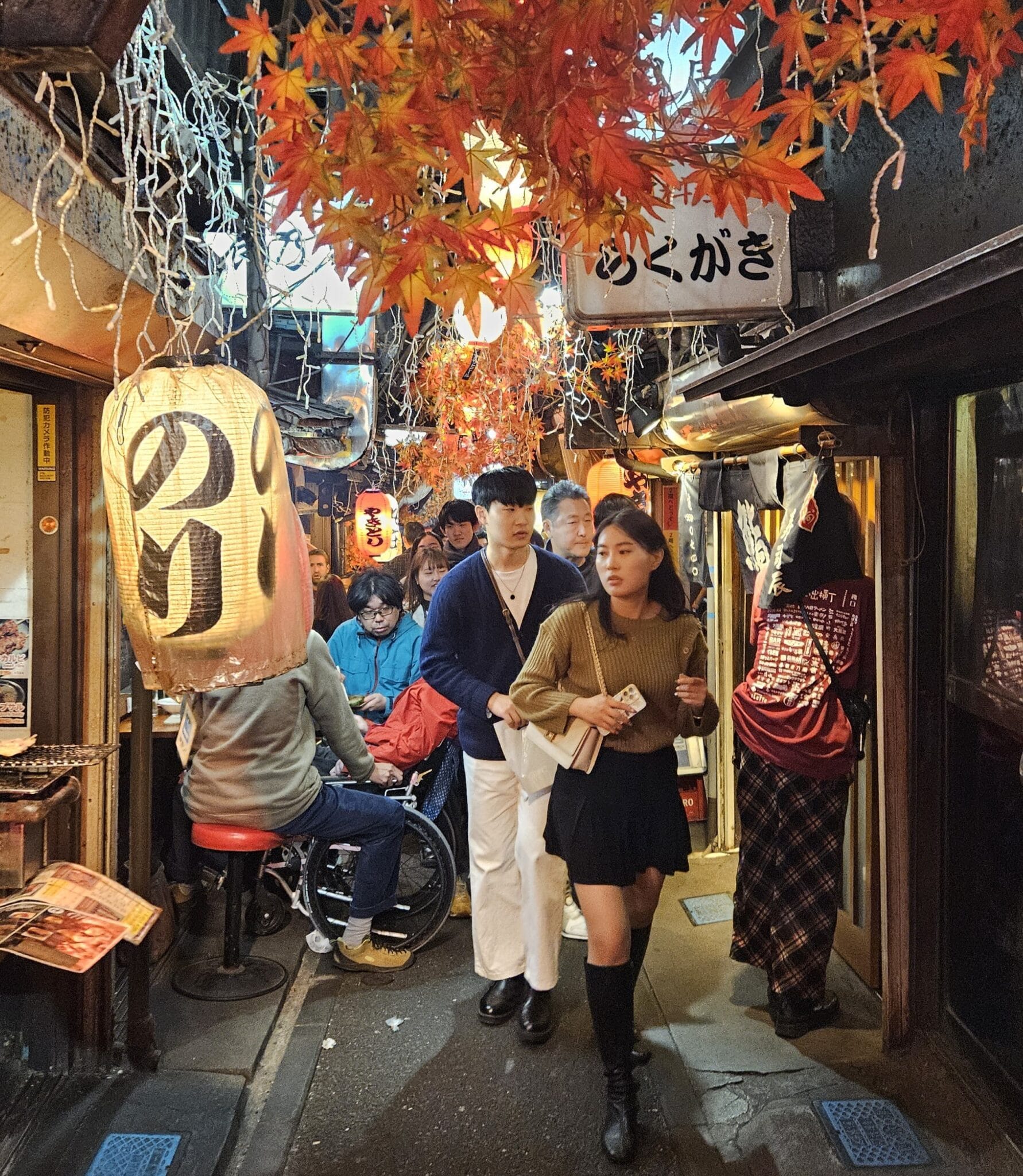
- Yokocho alleys: tiny smoky bars under railway tracks or in narrow alleys. Atmospheric and cheap. The most famous is Omoide Yokocho in Shinjuku; read my Omoide Yokocho guide.
- Izakaya and chains: casual pubs where yakitori is one of many dishes. Easy for groups and usually have picture menus.
- Standing bars: quick, cheap and social. Grab a few skewers and a drink on your way home. See my guide to standing bars in Shinjuku.
- High-end yakitori restaurants: omakase courses with premium chicken breeds, usually by reservation. Some have even received Michelin recognition.
- Festival stalls and supermarkets: at summer festivals and in depachika food halls you will find ready-made skewers to take away.
Yakitori is related to robatayaki, where fish, meat and vegetables are grilled in front of you over an open hearth. Learn more in my robatayaki guide.

What Does Yakitori Cost?
Prices depend a lot on the type of restaurant. As a rough guide:
- Chain izakaya and yokocho bars: about 150 to 300 yen per skewer
- Mid-range yakitori specialists: about 250 to 500 yen per skewer
- High-end omakase courses: often about 8,000 yen or more per person
A satisfying casual dinner with drinks usually costs about 2,500 to 5,000 yen per person.
Yakitori at Home and in Convenience Stores
You do not need a restaurant to try yakitori. Convenience stores often sell yakitori skewers at the hot food counter next to the register, and supermarkets and depachika food halls have ready-made skewers in the evening, sometimes discounted shortly before closing. Canned yakitori is even sold as a camping snack.
They will not match a charcoal grill, but they are a cheap way to work out which cuts you like before you sit down at a specialist counter.
Yakitori Etiquette and Tips
- Do not slide meat off the skewer with chopsticks at high-end places, as the chef designs each skewer to be eaten as it is.
- At casual places, it is fine to take pieces off to share.
- Do not dip skewers back into a shared sauce pot after you have bitten them.
- Smoke and grill smell will stick to your clothes, so do not wear your best jacket.
- Some places still allow smoking, so check if that matters to you.
The most unusual cuts I have tried are liver and heart.
Frequently Asked Questions
Where can you eat good skewers in Japan?
Almost everywhere. Look for small specialist yakitori shops with a charcoal grill behind the counter, yokocho alleys near train stations, or high-end yakitori restaurants for a special night.
What is the most popular yakitori?
Negima (thigh with green onion), momo (thigh), tsukune (meatball) and kawa (skin) are the most commonly ordered skewers.
Is yakitori healthy?
It can be. Grilled lean cuts with salt are relatively light. Skin, tail and skewers with sweet tare are richer.
Is yakitori served rare?
Some high-end places serve breast or tenderloin lightly cooked. If you prefer it well done, ask for “yoku yaite kudasai”. Japan also has dishes with raw chicken, which I explain in my article on torisashi and raw chicken in Japan.
What do you drink with yakitori?
Beer and highballs are the classic choices. Sake and shochu also work well, especially with tare skewers.
Can vegetarians eat at a yakitori restaurant?
There are usually some vegetable skewers, but they are often grilled next to meat and tare may contain chicken juices. It is not the best choice for strict vegetarians.
Yakitori is just one part of Japan’s amazing food culture. Discover more dishes in my Japanese food guide.
Author

Get My Personal Travel Maps


Leave a Reply