Eating insects in Japan is a practice deeply woven into the country’s culinary heritage. While it may sound unusual to some, insect cuisine has sustained communities for generations and is gaining fresh attention as a sustainable food trend. For centuries, people in rural regions of Japan relied on edible insects as an essential source of protein, especially in areas where livestock farming was difficult or impossible. What might surprise many visitors is that dishes made with grasshoppers, bee larvae, and river insects were not regarded as exotic oddities but as everyday foods that provided important nutrients and helped families endure the hardships of long winters and poor harvests.
As modern Japan has evolved, so has the role of insects in the national diet. Today, chefs and entrepreneurs are reimagining these traditional recipes for contemporary tastes, creating innovative dishes that highlight the nutritional benefits and environmental advantages of insect protein. Cricket ramen, roasted grasshopper snacks, and silkworm powder energy bars can now be found in specialty shops and cafés across the country. These culinary innovations are drawing curiosity from adventurous eaters and sustainability advocates alike, helping to reshape perceptions about what is considered acceptable or appealing food.
Yet alongside this genuine curiosity and renewed interest, baseless myths persist—especially the claim that foreigners in Japan are eating cicadas. This narrative has no factual basis and exists mainly as a way to stoke division and reinforce harmful stereotypes. In reality, cicadas are not a common part of Japanese cuisine, and there is no evidence to suggest that foreign residents or tourists have adopted them as a food source. Such claims are part of a broader pattern of misinformation that unfairly targets international communities and distracts from the rich, authentic story of edible insect traditions in Japan.
This article will give you a well-researched, culturally respectful look at traditional insect cuisine in Japan, the Japanese edible insect culture and history, where to try insect dishes yourself, and why these false narratives deserve to be called out. By exploring the real history and current innovations around eating insects in Japan, you’ll gain a deeper appreciation for a practice that combines centuries of culinary heritage with the possibilities of a more sustainable future.
The Origins of Eating Insects in Japan
The roots of eating insects in Japan stretch back to the Edo period. In rural areas such as Nagano, Gifu, and parts of Yamanashi Prefecture, protein sources were limited. With rugged landscapes and cold winters, raising livestock was often impractical, so communities turned to insects as a dependable source of nutrition. Far from being seen as strange, collecting and cooking insects was a seasonal necessity. Families would gather rice grasshoppers, bee larvae, and river insects, preserving them in soy sauce and sugar to last through lean months.
Over time, these practices evolved into regional culinary traditions passed down through generations. For many Japanese people, edible insects are a reminder of resilience and adaptability, rather than an oddity to be hidden away.
Traditional Insect Cuisine in Japan
Today, you can still find traditional insect cuisine in Japan, especially in Nagano Prefecture. One of the most popular dishes is inago no tsukudani, which features rice grasshoppers simmered slowly in a sweet-salty sauce of soy, sugar, and mirin. Locals describe the flavor as rich and comforting, a nostalgic taste of rural life.
Another cherished preparation is hachinoko, or bee larvae cooked in a sweet glaze. For many older generations, hachinoko is considered a delicacy, often served with hot steamed rice. In the mountainous regions of central Japan, you may also come across zazamushi, the larvae of aquatic insects collected from riverbeds and cooked in similar sweet soy sauce preparations.
These dishes illustrate that eating insects in Japan is not merely about survival—it’s a culinary tradition with deep historical and cultural meaning.
Japanese Edible Insect Culture and History
The broader Japanese edible insect culture and history is shaped by necessity, local pride, and more recently, environmental awareness. While many countries are just beginning to explore edible insects as a sustainable protein, Japan’s relationship with insects as food stretches back centuries. For generations, families relied on insects to fill nutritional gaps in their diets. Recipes were refined, festivals emerged to celebrate the harvest, and communities built a collective identity around these seasonal delicacies.
In modern times, interest in insects as food has surged again, but for different reasons. Concerns over climate change, deforestation, and global food shortages have renewed appreciation for insects as a sustainable alternative to livestock. Edible insects require fewer resources to raise, produce less greenhouse gas, and provide high levels of protein, vitamins, and minerals. This new wave of entomophagy is creating a fresh chapter in Japan’s culinary story.
Where to Try Insect Dishes in Japan

If you are wondering where to try insect dishes in Japan, you’ll find no shortage of options. Tokyo, in particular, has become a hub for innovative insect cuisine. Take-Noko specialize in cricket protein bars, silkworm snacks, and insect ramen. Another well-known shop, Takeo Tokyo, offers everything from roasted beetles to cricket-infused chocolate.
In more rural regions, especially Nagano Prefecture, traditional dishes are still prepared in local markets and at seasonal festivals. These settings give you the chance to sample authentic insect cuisine that has remained largely unchanged for centuries. Whether you choose a modern cricket pasta or a classic bowl of inago no tsukudani, you’ll be experiencing a tradition rooted in both necessity and cultural pride.
Modern Trends in Edible Insects
Beyond the historical roots, eating insects in Japan has gained new momentum thanks to sustainability advocates and adventurous chefs. Startups like Musashino Bio Industry and ENTOMO Farms Japan are pioneering insect farming technologies to produce cricket flour, protein powders, and packaged snacks for health-conscious consumers.
Restaurants across Japan now serve everything from silkworm ice cream to grasshopper tempura. These dishes not only showcase culinary creativity but also help reduce the stigma surrounding edible insects. By blending traditional practices with modern techniques, Japan is proving that entomophagy can be both sustainable and delicious.
Myths About Foreigners Eating Cicadas in Japan
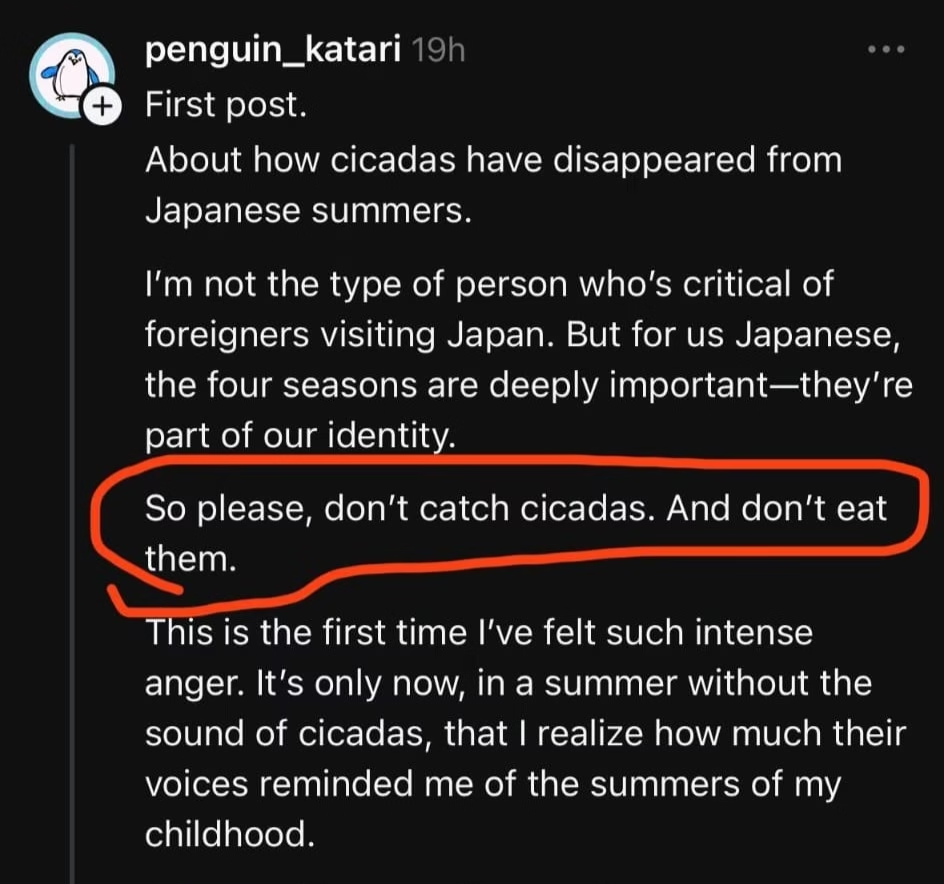
Despite the growing acceptance of edible insects, a bizarre narrative has spread online: the claim that foreigners in Japan routinely eat cicadas. This accusation is primarily promoted by right-wing nationalist groups, known in Japan as the netto uyoku. These groups thrive on xenophobia and misinformation, and the cicada myth is simply another example of their tactics.
There is no credible evidence that foreigners are harvesting cicadas as food. In fact, cicadas are not a common edible insect in Japanese cuisine at all. The rumor has been manufactured to stoke resentment and reinforce stereotypes. It has no basis in fact and is almost as ridiculous as some of the hateful conspiracy theories that circulate elsewhere—like the false story Donald Trump once promoted that Haitians eat children.
Racism, Double Standards, and the Glass House
If you sit in the glass house—meaning your own country has traditions of eating insects or other foods seen as unconventional—it is wise to be cautious about throwing stones. Many cultures around the world, from Mexico to Thailand to parts of Europe, have a long history of eating insects. Even in the United States, cricket protein is growing in popularity among fitness enthusiasts and environmentalists.
Labeling foreigners as “unclean” or “strange” for allegedly eating cicadas ignores this reality. It also reveals a double standard. In Japan, insects have been a respected and essential part of food culture, yet this same practice is twisted into a tool for xenophobic narratives when foreigners are involved. Spreading these myths does nothing but divide communities and distract from the real cultural richness that edible insects represent.
How Edible Insects Could Help Sanseitō Reach Their Self-Sufficiency Dream
Believe it or not, if Sanseitō (far right wing party of Japan which believes in conspiracies) really wants Japan to stop relying on imported food within 10–20 years, insects might be their secret weapon. Insect farming uses tiny amounts of land and water, produces protein faster than livestock, and has been part of Japanese cuisine for centuries—just look at Nagano’s grasshopper dishes. Crickets, silkworms, and bee larvae are already locally farmed, so scaling them up could seriously boost domestic food production without waiting decades for more rice fields. If they truly want self-sufficiency, handing out cricket snacks might be more effective than any slogan.
The Bigger Picture: Sustainability and Respect
Eating insects in Japan today represents a convergence of the past and the future. Historically, these foods sustained entire communities through hardship. Now, they have the potential to help address global issues like food security and environmental sustainability. By recognizing the value of edible insects, we honor a cultural legacy while embracing solutions that could benefit the planet.
When travelers approach insect cuisine with an open mind, they find not only novel flavors but also meaningful connections to Japanese history and innovation. Whether you are sampling a traditional recipe in Nagano or enjoying cricket ramen in Shibuya, you are participating in a practice with centuries of depth behind it.
It is important to be vigilant against the false claims and discriminatory narratives that occasionally surface. Myths about foreigners eating cicadas in Japan are unfounded and harmful. They deserve to be called out for what they are: baseless attempts to stir prejudice.
Frequently Asked Questions About Eating Insects in Japan
Do Japanese people really eat insects?
Yes, insects like grasshoppers, bee larvae, and river larvae have been part of traditional cuisine for generations, especially in central Japan.
Can tourists try insect dishes in Japan?
Absolutely. From rural festivals to modern cafés in Tokyo, there are many opportunities to sample both traditional and contemporary insect dishes.
Are the claims about foreigners eating cicadas true?
No. This rumor is an internet myth with no evidence to support it. It is propagated by extremist groups for xenophobic purposes.
Conclusion
Eating insects in Japan is a story of resilience, tradition, and modern innovation. From traditional insect cuisine in Japan to the Japanese edible insect culture and history, there is much to learn and appreciate. As more people recognize the sustainability benefits of insect protein, this culinary heritage is finding new audiences around the world.
If you are curious about edible insects, Japan offers some of the best places to explore this practice firsthand. Just remember to approach it with an open mind—and leave the myths behind. When you hear someone repeat the claim that foreigners eat cicadas, understand it for what it is: a baseless, divisive fabrication, no more credible than the wildest conspiracy theories.
Whether you choose to taste cricket cookies or simply learn about the traditions, you’ll discover that the reality is far richer and more interesting than the rumors.
Author

Get My Personal Travel Maps
Keep Reading: More Articles You'll Love
 Is Japanese Food Actually Chinese? The Surprising Origins of Japanese Cuisine
  Living in Japan vs Korea – The Ultimate Expat Guide
  Japan Travel Myths vs Reality: What Tourists Still Get Wrong About Japan
  10 Bizarre Foods in Japan You Have to Try Once
  Tattoos in Japan: Rules, Culture, Onsen & Changing Attitudes
  Matsumoto Itinerary: The Perfect 3-Day Guide Including Kamikochi
  My First 30 Days in Tokyo: Essential Administrative Steps for International Students