Food in Tokyo is more than just sushi and ramen – it’s about discovery, surprise, and culture woven into every side street and storefront. From hidden burger spots in Okachimachi to dazzling vending machine novelties, every corner offers something unexpected and unforgettable. In this article, we invite you to join us on a walk from Okachimachi to Akihabara — two Tokyo neighborhoods that couldn’t be more different in vibe, yet perfectly capture the city’s charm when experienced together.
Along the way, we explore anime figure shopping in Akihabara, try our luck at a unique Akoya pearl gacha machine Tokyo, and take in the surreal experience of passing by countless maid cafes in Akihabara. Whether you’re a first-time visitor or a long-time Tokyo lover, this walk reveals just how diverse, delicious, and delightfully unpredictable food in Tokyo can be — and why every meal here feels like an adventure waiting to be discovered.
Hidden Burger Spot in Okachimachi

Our day begins in Okachimachi, a calm and often-overlooked area nestled between Ueno and Akihabara. This is where we find a real Tokyo food gem: a hidden burger spot in Okachimachi, tucked behind a vending machine.
We ordered two burgers – my girlfriend went for the Tropical Burger, loaded with pineapple, a thick beef patty, and a tangy sauce. I chose the Chili Cheese Burger, which came with spicy meat, creamy cheese, and an extra kick that made it unforgettable. Both came with crispy fries, and together the meal cost us around 4,000 yen.
The flavors were rich, the meat was juicy, and the seasoning was just right. The unique atmosphere of eating next to a vending machine, slightly hidden from the street, added to the charm. These kinds of hidden gems make food in Tokyo such a rewarding experience. This “God Dinner” was easily one of the day’s highlights.
Walking Toward Akihabara
With full bellies and happy hearts, we continue on foot toward Akihabara, letting the city guide us through its layers. The short journey winds through the kind of everyday Tokyo scenery that feels effortlessly cinematic: tiny vegetable stalls with perfectly stacked produce, old-school electronic shops selling cables and gadgets from another era, and tucked-away shrines where incense curls into the air beside vending machines. It’s these little contrasts that make walking in Tokyo so rewarding — even the mundane feels full of character.
Along the route, food in Tokyo reveals itself in quieter ways too: the aroma of curry rice drifting out of a tiny kitchen window, colorful displays of pre-packed bentos in mom-and-pop shops, or the comforting glow of a 24-hour konbini with shelves full of onigiri, desserts, and instant noodles. Every step is filled with subtle sensory surprises.
Though the walk between Okachimachi and Akihabara takes only 15 to 20 minutes, it feels far longer — not in time, but in richness. The transition from calm side streets to neon-lit madness is so gradual and fascinating, you barely notice the shift until you’re suddenly surrounded by anime billboards and capsule toy machines.
Anime Figure Shopping in Akihabara
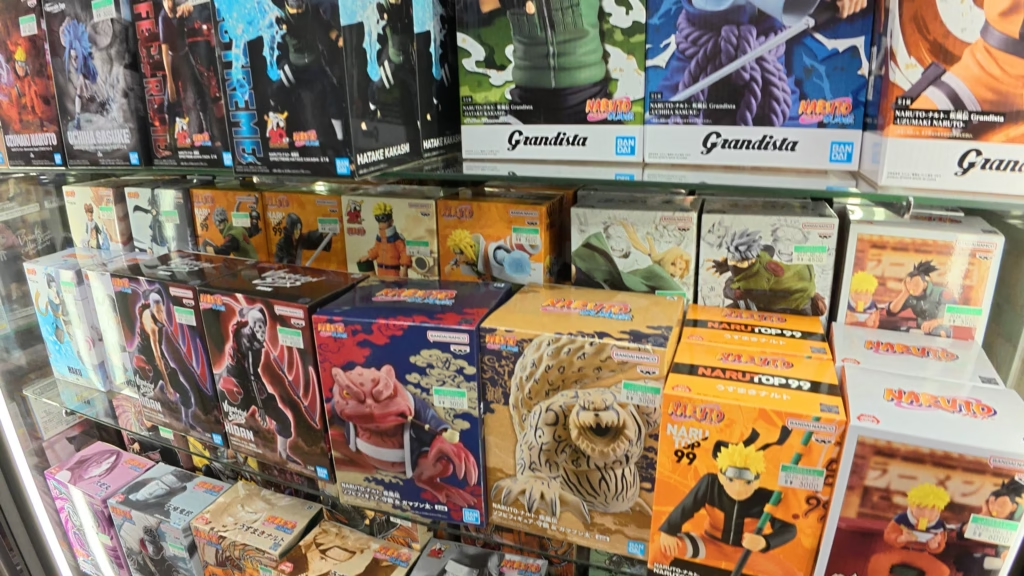
Once we arrive in Akihabara, it’s time for anime figure shopping. Whether you’re a casual fan or a hardcore collector, Akihabara is paradise. From mass-market items to handcrafted limited-edition figures, this place has it all.
We explored both regular and handmade figure sections. The normal figures are often priced between 2,000 and 5,000 yen, depending on the character and size. In contrast, handmade figures can easily cost 20,000 yen (around $200) or more. These artisan pieces are made in limited quantities and often have incredible detail and paintwork.
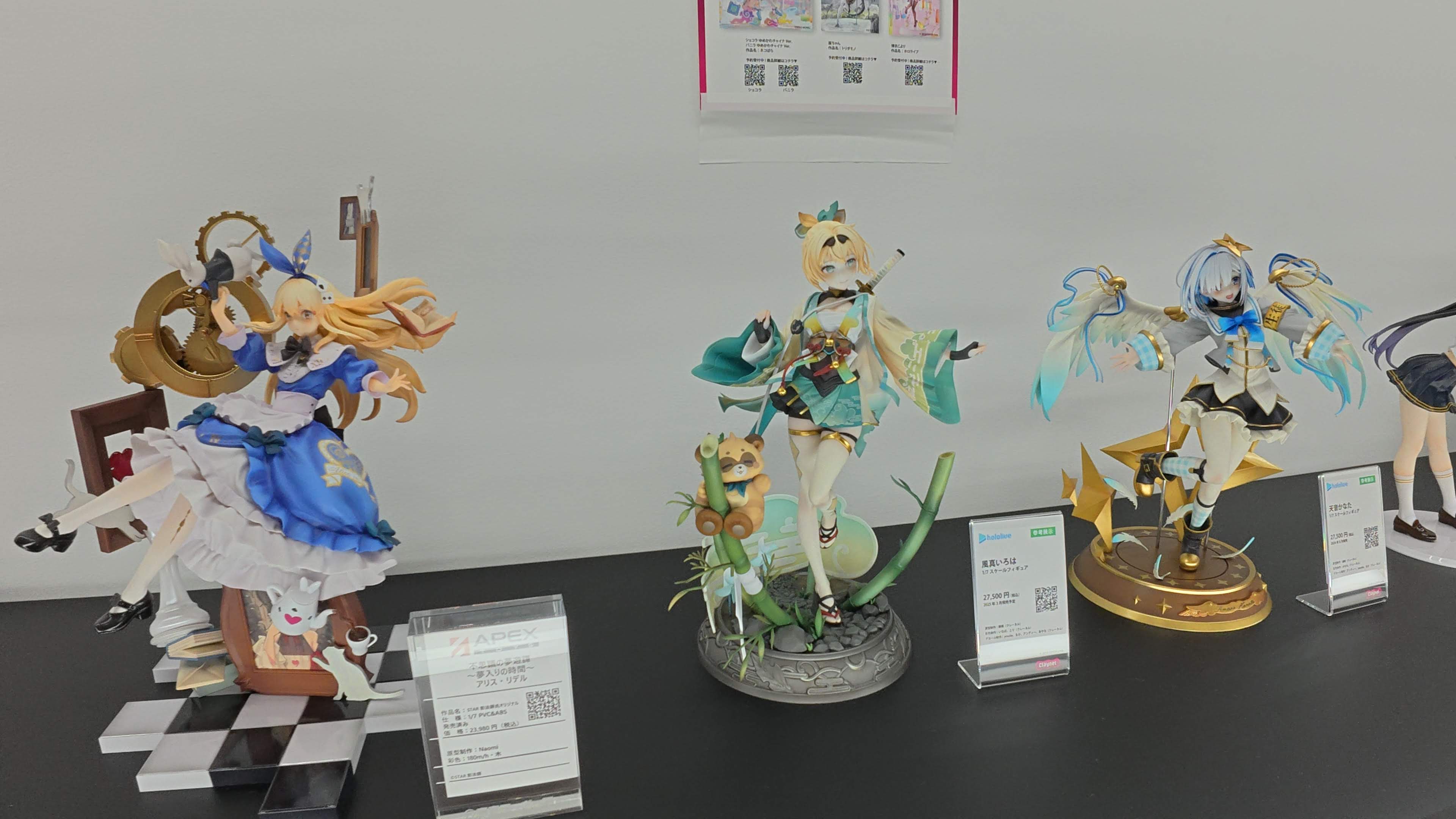
While food in Tokyo steals the show, pop culture in Akihabara is an adventure of its own. We stopped at several shops just to admire the craftsmanship. Make sure to fuel up on bubble tea or a sweet treat between shop stops.
Akoya Pearl Gacha Machine in Tokyo
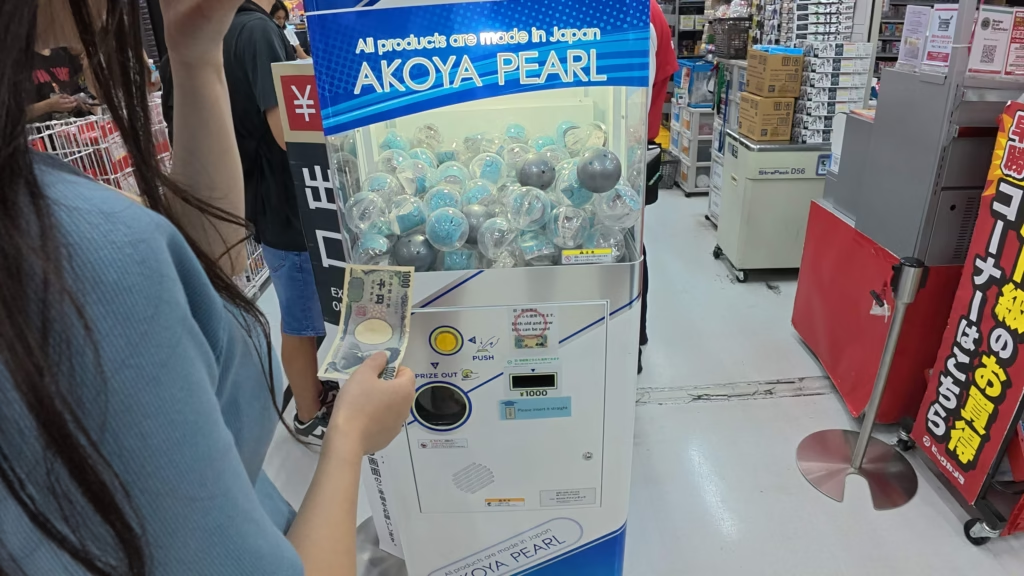
Inside Bic Camera, we stumble upon a unique find: an Akoya pearl gacha machine. For just 1,000 yen, you receive a capsule containing a real Akoya pearl – sometimes set into a bracelet, phone charm, or necklace.
Why It’s Worth Trying:
- Each pearl is unique
- Makes a memorable souvenir
- A fun mix of tradition and randomness
The machine we tried was located in the 7th floor and directly in front of the entrance. My girlfriend loves pearls, so we gave it a spin – and got a beautiful cream-colored pearl on a delicate chain. It’s a fun little tradition-meets-modern-Japan moment that you can only find in places like Akihabara.
Though not a meal, this experience fits perfectly into the playful nature of food and culture in Tokyo.
Maid Cafés in Akihabara
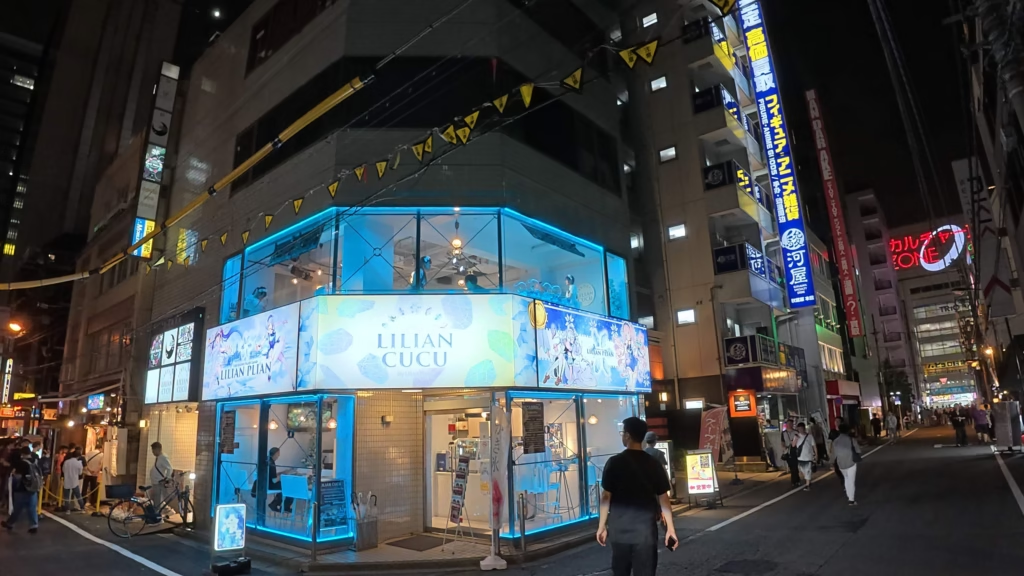
On our way to the next food stop, we pass by a crazy amount of maid cafés. Seriously – nearly every block has at least two. Women dressed in frilly maid costumes wave cheerfully at passersby, offering flyers to just about anyone who walks by.
What You’ll See:
- Cutesy menus and decorated drinks
- Optional photo sessions with the maids
- Themed interiors straight out of an anime
The sheer volume of these cafés is honestly overwhelming. Some streets have five or six maid cafés in a row, each with its own unique theme and flair – cat maids, gothic maids, bunny maids… you name it. We didn’t step inside this time, but just observing the atmosphere outside gave us a strong sense of Akihabara’s quirky side.
These cafés are part of what makes Akihabara – and food culture in Tokyo – so unique.
Xian-Style Chinese Food to Finish
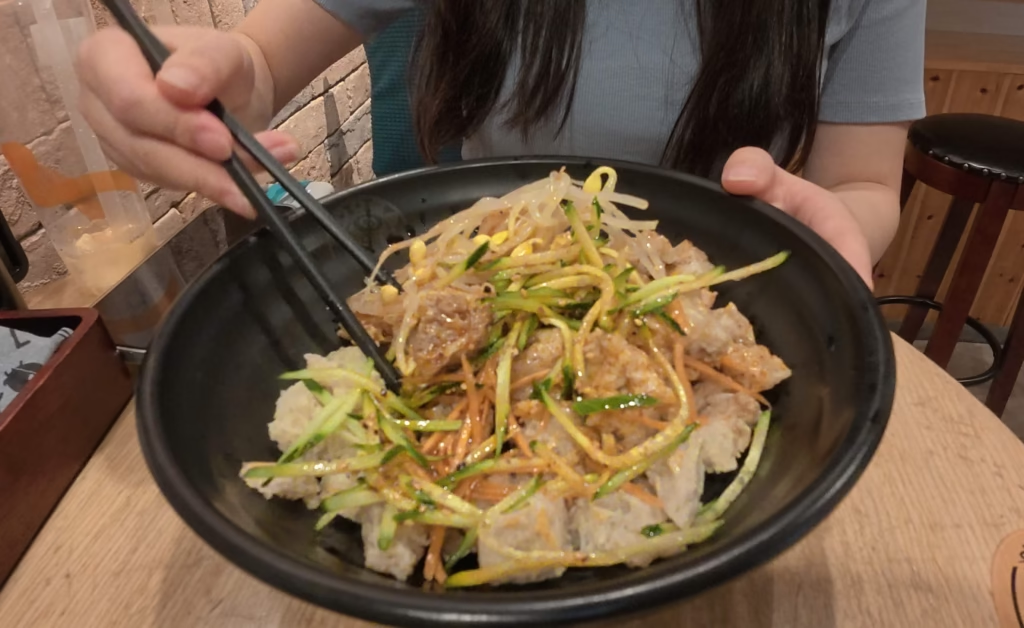
To wrap up the day, we head to a low-key Chinese restaurant serving authentic Xian-style food (Mooga). We were really craving cold noodles, but unfortunately, they were sold out by the time we arrived – a sign that the place is popular!
Instead, we ordered roujiamo (Chinese burgers) and spicy hand-pulled noodles. The roujiamo had tender meat and crisp bread, while the noodles came coated in rich chili oil with garlic and herbs. The spice level was satisfying without being overpowering.
Even though we missed out on the cold noodles, the meal was still delicious and hearty. Again, this is what food in Tokyo is all about – diverse, global, and absolutely delicious.
Live Music
Just as we thought the day couldn’t surprise us any further, we stumbled upon a captivating live music performance right in the heart of Akihabara. On a small street corner near the station, violinist Miho Fujii and pianist Ryota Moriya were performing a breathtaking rendition of “Unravel” — the iconic opening theme from Tokyo Ghoul. The emotional intensity of the violin, paired with the rich depth of the piano, turned the busy street into a moment of stillness. Locals and tourists alike gathered silently, many visibly moved by the music.
It was one of those spontaneous Tokyo moments that felt almost cinematic: live anime music, performed by gifted artists, surrounded by neon lights and the hum of the city. In a neighborhood best known for electronics and cosplay, this unexpected performance reminded us of the soul behind the spectacle.
Final Thoughts: Food in Tokyo Has Endless Surprises
Food in Tokyo is more than just sushi and ramen – it’s a vibrant, ever-evolving experience shaped by history, innovation, and a deep love for culinary expression. From the polished counters of Michelin-starred kaiseki restaurants to the smoky street corners selling yakitori, Tokyo offers a food landscape that reflects the depth and complexity of its culture. But beneath the surface of the city’s more famous dishes lies something even more fascinating: discovery.
It’s the hidden storefronts tucked between apartment blocks, the family-run joints passed down through generations, and the experimental cafés that mash together cuisine, art, and tech into something uniquely Tokyo. This isn’t a city where you just eat to fill up — in Tokyo, every meal feels like a story, every corner hides a secret.
From vending machine diners to gacha machines offering edible prizes, food here isn’t just nourishment; it’s play, ritual, and often surprise. You never know if the next alley holds the best burger of your life or a quiet tea shop steeped in decades of tradition. What’s consistent, though, is how food in Tokyo tells you something about the people, the place, and the possibilities. In this article, we invite you to walk with us from Okachimachi to Akihabara — two neighborhoods that couldn’t be more different in pace, tone, and character.
Okachimachi is quieter, more residential, filled with echoes of Tokyo’s past: old markets, craft stores, and train tracks overhead. Akihabara, on the other hand, is a sensory overload — bright, loud, and teeming with all things anime, tech, and subculture. Experiencing both in one day feels like crossing dimensions. Along the way, you’ll discover a truly hidden burger spot tucked behind a vending machine — the kind of place locals whisper about but never post on Instagram.
We’ll also wander into stores stacked with anime figures, comparing mass-produced versions to handcrafted collectibles that can cost hundreds of dollars. You’ll try your luck with a gacha machine that dispenses real Akoya pearls, a beautiful clash of tradition and playfulness. And you’ll be swept up in the surreal streets of Akihabara, where maid cafés outnumber convenience stores and you’ll hear “Welcome home, Master!” more times than you can count.
This isn’t a curated list of must-see tourist stops — it’s a glimpse into the spontaneous joy of wandering through Tokyo with curiosity (and an empty stomach). Whether you’re visiting for the first time or rediscovering the city as a local, this walk is about appreciating the unexpected, celebrating the little moments, and tasting the city beyond its stereotypes. Food in Tokyo is exciting, diverse, and endlessly surprising — and this one-day stroll is just the beginning of what you might find if you take the time to look beyond the obvious. So, lace up your shoes, grab your appetite, and come explore with us.
Author

Get My Personal Travel Maps
Keep Reading: More Articles You'll Love
 Discovering Akoya Pearls in Japan: The Timeless Beauty and a Unique Vending Machine Experience in Akihabara
  Gashapon in Japan: Why Tokyo’s Capsule Toy Culture Is So Addictive
  The Ultimate Cultural Rabbit Hole: A Guide to Japan’s Maid Cafes
  Living in Tokyo vs Zurich – The Ultimate Expat Guide
  Kabukicho Tokyo: The Ultimate Insider Guide to Shinjuku’s Wildest District
  8 Weird Things in Tokyo You Only Notice After Living There
  Halloween in Tokyo: From Shibuya to Shinjuku and Beyond