
Asakusa Kimono Rental is often the first stop I recommend to anyone beginning their journey through Asakusa, because wearing a kimono from the start immediately deepens the cultural experience. Asakusa, located in the heart of Tokyo, is one of the most iconic districts to explore Japan’s rich heritage, and stepping into its streets in traditional clothing makes the transition into this historic setting feel both natural and meaningful. From the moment you walk toward Sensō-ji Temple, the scent of incense, the sound of temple bells, and the vibrant energy of Nakamise shopping street offer an authentic introduction to Tokyo’s cultural roots.
Each visit has reinforced how immersive Asakusa becomes when you slow down and notice the details, whether you are tasting freshly prepared street food, wandering through quieter alleys, or watching cherry blossoms drift between the old wooden facades in spring. Exploring nearby Kappabashi, known as the knife street, also adds depth to the experience, as it highlights the craftsmanship behind Japan’s traditional kitchen tools. These elements together make Asakusa one of the most meaningful districts to explore at the start of any Tokyo itinerary and a place I consistently recommend to travelers seeking a genuine connection to Japanese culture. Asakusa is often the first neighborhood I suggest exploring, but it’s only one piece of the city. If you want a structured overview of how districts like Asakusa, Shinjuku, Shibuya, and Ueno fit together, I’ve mapped everything out in my Tokyo Travel Guide, designed to help first-time visitors plan their route through the city without feeling overwhelmed.
Why Asakusa is a Must-Visit for Anyone Interested in Traditional Japan
Asakusa holds a special place in the heart of Tokyo, not only for its historical significance but also for the way it allows visitors to experience traditional Japanese culture at their own pace. The district blends centuries-old customs with the rhythm of modern city life, creating an atmosphere that feels both welcoming and authentic. At the center of it all stands Sensō-ji Temple, Tokyo’s oldest and most iconic Buddhist temple. Its vibrant red gates, fragrant incense, and constant flow of worshippers give travelers a genuine look into the spiritual practices that have shaped this neighborhood for generations. Even on busy days, there is a sense of calm beneath the crowds, especially as you walk through Nakamise Street and hear the gentle background hum of temple bells.
Asakusa becomes even more captivating during cherry blossom season, when the district transforms into a soft pink landscape that draws both locals and visitors for hanami, or cherry blossom viewing. The blossoms frame the temple grounds, line the riverside walkways, and create a setting that feels almost timeless. It is also one of the best times to experience a kimono rental, as the delicate patterns and seasonal colors of the kimono complement the scenery perfectly. Watching petals drift through the air while exploring the area in traditional clothing brings a deeper appreciation for the cultural traditions that continue to thrive in Asakusa. Whether you come for the history, the atmosphere, or the seasonal beauty, this neighborhood offers a meaningful introduction to Tokyo’s cultural heart.
Kimono Rental: A Traditional Experience in the Heart of Asakusa
One of the best ways to fully embrace Asakusa‘s culture is by renting a kimono. There are several kimono rental shops in Asakusa, offering you the chance to wear these beautiful, traditional garments. Wearing a kimono in Asakusa, surrounded by the beauty of cherry blossoms in Tokyo, is an unforgettable experience. The intricate details and vibrant colors of the kimono make you feel like you’re stepping back in time. We rented here: https://www.oukakimono.com/ (No ad)
👘 Wearing a kimono as a foreigner is completely okay.
In places like Asakusa, it’s common and even encouraged, as long as you wear it respectfully and appreciate the culture.
Choosing a kimono that matched the festive season added a meaningful layer to my visit, and wearing it while walking through Sensō-ji Temple allowed me to connect more deeply with Asakusa’s cultural atmosphere. The experience felt respectful and enriching rather than intrusive, and it reminded me how tourism, when approached with awareness, can support the preservation of traditions rather than threaten them. Many local businesses in Asakusa, from kimono rental shops to family-owned sweet stalls and craft stores, rely on tourism to keep long-standing skills and cultural practices alive. Visitors who engage thoughtfully help sustain these communities by supporting artisans, participating in cultural activities, and learning about the history behind them. Responsible tourism in Japan encourages appreciation for the country’s heritage, strengthens local economies, and contributes to the preservation of cultural spaces like Sensō-ji. Far from harming Japan, mindful travel helps ensure that districts like Asakusa remain vibrant, cared for, and celebrated for generations to come. Tourism in Japan will continue to evolve in the coming years, but its success will depend on travelers and communities working together to protect the traditions that make places like Asakusa so special.
Sensō-ji Temple Asakusa: Spirituality and Tradition in the Heart of Asakusa
No visit to Asakusa is complete without a stop at Sensō-ji Temple. As Tokyo’s oldest and most significant Buddhist temple, Sensō-ji is the spiritual heart of the district. It’s not just a tourist destination, but a place for locals to pray, seek blessings, and meditate. The temple’s peaceful atmosphere contrasts beautifully with the bustling streets of Asakusa.
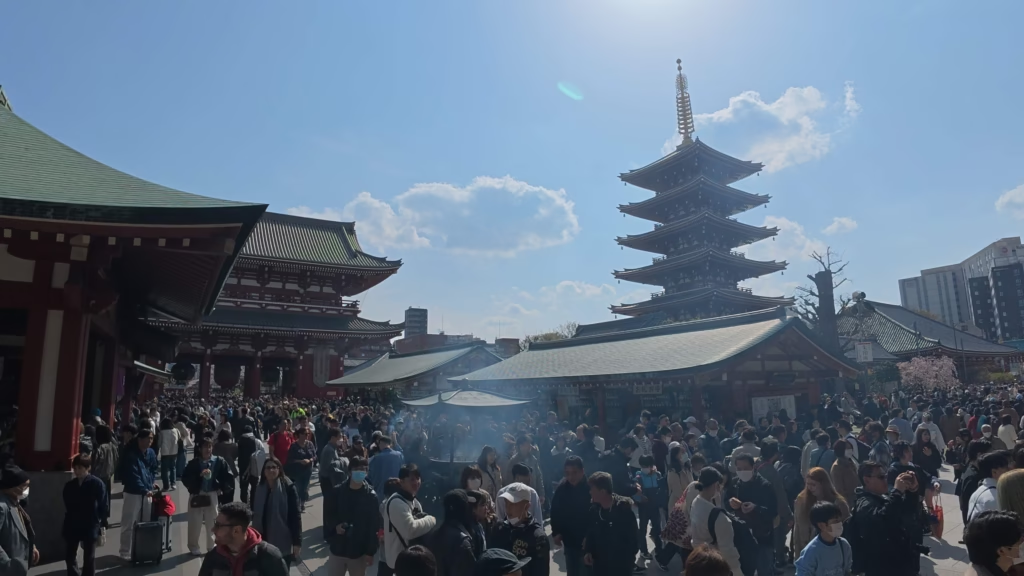
Before entering the temple, I participated in the traditional purification ritual, washing my hands and mouth at the fountain. This ritual symbolizes cleansing both the body and mind, helping visitors connect with the spiritual space of the temple. After the purification, I made a donation and prayed for good health and fortune, following the long-standing customs at Sensō-ji.
Fortune Telling at Sensō-ji: The Tradition of Omikuji
An exciting part of the visit to Sensō-ji Temple is drawing an omikuji, a Japanese fortune slip. For just 100 yen, you can shake a box of sticks, draw one, and get your fortune for the day. The fortune can be good or bad, and it covers everything from health to relationships.
I drew a medium fortune and tied it to the designated rack, following the tradition of leaving bad luck behind. This simple but meaningful practice adds a bit of fun to your visit to Sensō-ji and gives a sense of connection to the local culture.
Street Food in Asakusa: A Taste of Tradition
No visit to Asakusa is complete without indulging in its street food scene. Walking down Nakamise-dori, the lively street that leads to Sensō-ji Temple, you’ll find a wide variety of traditional Japanese snacks. The food vendors offer treats such as menchi katsu (breaded ground meat), senbei (rice crackers), and ningyo-yaki (doll-shaped sponge cakes).
I decided to try takoyaki, a delicious octopus-filled street food that is a fan favorite. Made from batter and served hot, takoyaki is crispy on the outside and soft on the inside. With the scent of freshly cooked food in the air, it’s the perfect snack to enjoy while exploring the vibrant streets of Asakusa. Streetfood in Asakusa is great!
Kabuki for Kids: Traditional Japanese Theater
As we continued to explore Asakusa, we were lucky enough to catch a Kodomo Kabuki performance, a version of traditional Kabuki theater performed by children. Kabuki is a colorful and energetic form of Japanese theater that combines music, dance, and acting. Watching these talented young performers was both entertaining and moving. It was a reminder of how Japan preserves and passes down its cultural traditions, ensuring they live on for future generations.
Inari Shrine visit: A Peaceful Retreat in Asakusa
After the Kabuki performance, we took a peaceful detour to Hikan Inari Jinja, an Inari shrine located near Sensō-ji Temple. Inari is the Shinto god of rice, agriculture, and prosperity, and his shrines are famous for the bright red torii gates that create beautiful pathways. The shrine itself was serene and peaceful, offering a quiet escape from the busyness of the streets.
Foxes, considered to be messengers of Inari, are often seen guarding these shrines. As we walked through the rows of torii gates, I reflected on the spiritual side of my visit to Asakusa, feeling the connection between the natural and divine. A Inari shrine visit is always great!
Kimono Reborn: Transforming Tradition into Fashion
One of the highlights of my visit to Asakusa was stopping by Kimono Reborn, a unique store that repurposes old kimonos into modern accessories like bags, shoes, and hats. This innovative concept gives new life to the rich, colorful fabrics of traditional kimonos, blending Japan’s cultural heritage with contemporary design.
The store was filled with beautifully crafted items, each piece telling a story of transformation. I couldn’t resist picking up a small souvenir to take home, a perfect reminder of the beauty and craftsmanship I witnessed in Asakusa.
Cherry Blossoms at Sumida Park: A Walk Through Spring
he last stop of our day took us to Sumida Park, one of the most picturesque places to enjoy cherry blossoms in Tokyo, especially with the Tokyo Skytree rising beautifully in the background. This riverside park offers a calm escape from the city’s fast pace, and during sakura season it becomes a gentle tunnel of pink petals that draws both locals and visitors. It is also one of the spots I highlight in my sakura viewing guide, since the combination of open space, water reflections, and iconic skyline makes it ideal for photography and relaxed hanami.
I spent the afternoon strolling along the river, taking photos, and enjoying the peaceful atmosphere that comes alive when people gather under the blossoms. The soft sound of conversations, the occasional breeze sending petals into the air, and the unhurried mood around the park created a moment that felt both grounding and unforgettable. The cherry blossoms in Tokyo bloom for only a short time each year, which is why discovering places like Sumida Park—and even quieter locations such as my secret cherry blossom spot in Shinagawa—adds so much meaning to the season. Ending my day in Asakusa beneath the sakura trees was the perfect reminder of why these fleeting moments are so cherished.
Returning the Kimono: A Memorable Experience
After a full day of exploring Asakusa, I made my way back to return my kimono at Asakusa Kimono Rental, reflecting on how much the experience had shaped the rhythm of my visit. Wearing a kimono throughout the day added a deeper sense of cultural immersion, especially as I walked through historic streets, explored Sensō-ji Temple, and admired the seasonal beauty of the cherry blossoms in Tokyo. The flowing fabric, traditional patterns, and calm atmosphere of the rental shop all contributed to an experience that felt respectful and connected to the district’s heritage. Renting a kimono is more than just a photo opportunity. It changes how you move through Asakusa and encourages a slower, more mindful way of engaging with the area’s spiritual landmarks and seasonal scenery. I genuinely recommend Asakusa Kimono Rental to anyone visiting the neighborhood, as it offers an unforgettable way to connect with Japan’s traditions and gives moments like viewing cherry blossoms in Tokyo an even more meaningful touch.
Conclusion: Asakusa – A Place to Experience Traditional Japan
Asakusa is a place where history, culture, and modernity come together. From renting a kimono and exploring Sensō-ji Temple to enjoying street food and cherry blossoms, Asakusa offers an experience like no other. It also has Kappabashi, known as the kitchen and knife street, where visitors can browse high quality Japanese knives and traditional culinary tools.
If you visit during summer, you can experience the Sumidagawa Fireworks Festival, one of Tokyo’s most iconic events and a celebration I highlight in my fireworks guide. Whether you’re visiting Tokyo for the first time or returning for another adventure, Asakusa is a must-visit destination to experience the heart of Japan’s traditional culture.
Author

Get My Personal Travel Maps
Keep Reading: More Articles You’ll Love
 Is Japanese Food Actually Chinese? The Surprising Origins of Japanese Cuisine
  Experiencing the Asakusa Winter Lights: Tokyo’s December Hidden Gem
  Experiencing Early Cherry Blossoms at Shinjuku Gyoen Cherry Blossoms 2025
  Exploring Tokyo’s Best Sakura Spots: A Journey Through Inokashira Park, Swan Boats, and Meerkat Café
  Living in Japan vs Korea – The Ultimate Expat Guide
  Living in Tokyo vs Zurich – The Ultimate Expat Guide
  The Global Runway: Why Wearing Traditional Asian Attire as a Foreigner is Cultural Appreciation


Leave a Reply