While many first-time visitors spend most of their Tokyo trip around famous districts like Shinjuku and Shibuya, some of the city’s best food, nightlife, and local culture can actually be found just a few train stops further west. One of the best examples is Asagaya, a neighborhood in Suginami that still feels authentically local despite being less than 15 minutes from central Tokyo on the JR Chuo Line.
Known for its massive Pearl Center shopping arcade, old-school jazz cafés, cozy alleyways packed with izakaya, and relaxed residential atmosphere, Asagaya offers a completely different side of Tokyo compared to the city’s more tourist-heavy areas. Instead of giant LED billboards and endless crowds, you’ll find small family-run restaurants, salarymen drinking under glowing lanterns, hidden ramen shops with long local queues, and bars where owners still remember regular customers by name.
For travelers searching for the “real Tokyo,” neighborhoods like Asagaya often leave a much stronger impression than the city’s famous landmarks. The area perfectly balances traditional Shitamachi charm with modern Tokyo food culture, making it one of the best places in Tokyo for izakaya hopping, local ramen, hidden bars, and authentic Japanese nightlife without the overwhelming chaos of districts like Kabukicho.
Personally, Suginami has become my favorite part of Tokyo after living in the city for several years. I previously lived in Ogikubo and now live in Koenji, both neighboring areas with their own unique personalities. Compared to central Tokyo, Suginami still feels deeply connected to everyday Japanese life. The streets are calmer, the neighborhoods are more walkable, and the food culture feels far more personal and less commercialized. In my opinion, this part of western Tokyo has some of the best izakaya culture in the entire city.
Whether you are searching for hidden restaurants in Tokyo, local neighborhoods beyond Shibuya, authentic izakaya experiences, or simply a quieter side of Tokyo where people actually live, Asagaya is one of the most underrated areas to explore. From handmade Beijing-style dumplings and soul-warming ramen to anime-themed bars and traditional hot pot restaurants, this neighborhood quietly delivers some of the most memorable dining experiences in Tokyo.
A Fusion of Flavor: Minmin Xiaolongbao (みんみん小籠包)

For travelers searching for authentic Chinese food in Tokyo beyond tourist-heavy areas, Minmin Xiaolongbao is one of the best hidden local spots in Asagaya. This cozy restaurant specializes in traditional Beijing-style comfort food and has become popular among locals living around western Tokyo. Instead of offering a huge menu, the restaurant focuses on preparing a small number of dishes exceptionally well, with everything made fresh to order.
The highlight here is the handmade Beijing-style Xiaolongbao. Unlike the delicate Shanghai versions many visitors know, these dumplings are slightly thicker, heartier, and packed with rich soup inside. Combined with black vinegar and ginger, they become one of the most satisfying comfort foods you can find in Tokyo. The silky wonton soup is another standout dish, especially during colder evenings.
One of the most unique experiences at the restaurant is trying the traditional Chinese liquor. Its strong herbal aroma is often compared to a Chinese version of Jägermeister, making it a fun cultural experience you rarely find in standard chain restaurants.
What makes Minmin Xiaolongbao special is the authentic local atmosphere. Instead of polished Instagram-style interiors, the focus here is entirely on handmade food, warm service, and honest flavors. Restaurants like this are exactly why neighborhoods such as Asagaya and Suginami remain some of the best places to explore Tokyo’s real food culture.
- The Highlight: The Beijing-style Xiaolongbao and the silky Wonton soup.
- The Pro Move: Try the Chinese wine. It has a distinct, medicinal aroma—think of it as the “Chinese Jägermeister.” It’s a unique cultural experience you won’t find at standard chain restaurants.
The Local Favorite: Mensaibou Gorouza (麺彩房 五郎左)
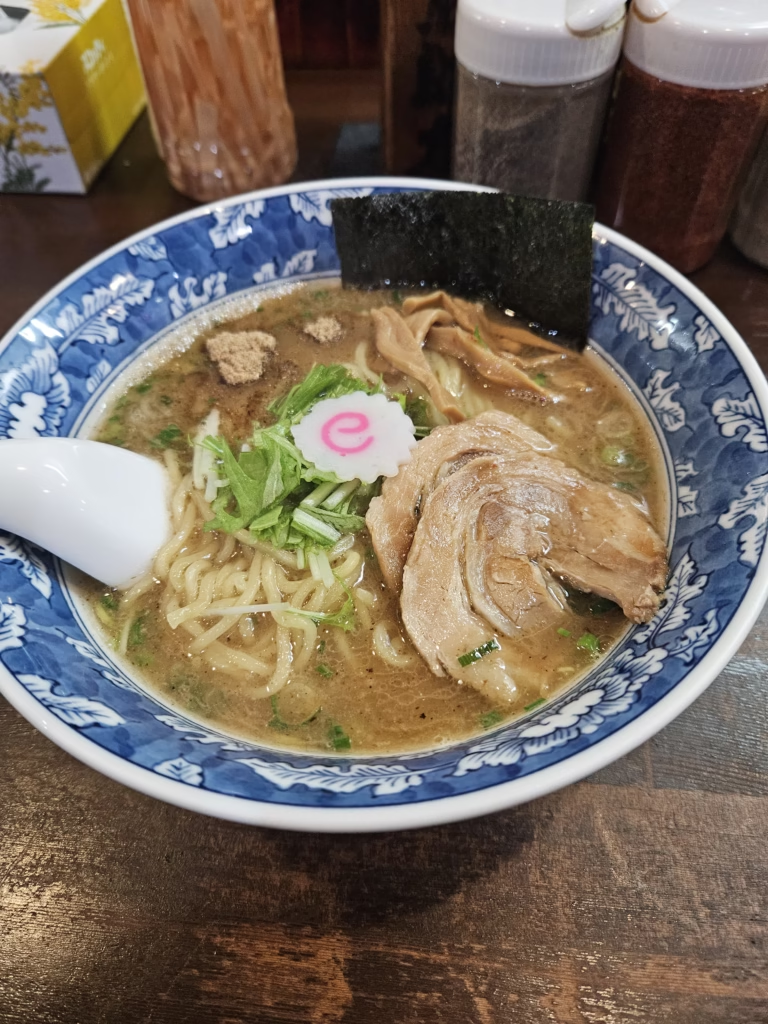
Located just a short walk from the Suginami City Office, Mensaibou Gorouza is the definition of a “hidden in plain sight” local ramen gem. At first glance, the shop looks simple and unassuming, the kind of place many tourists would walk past without noticing. But among residents and ramen lovers living around Asagaya, it has built a strong reputation as one of the best ramen shops in the neighborhood.
The restaurant perfectly captures the atmosphere that makes Western Tokyo ramen culture so special. There are no flashy decorations, giant menus, or tourist-focused gimmicks. Instead, the focus is entirely on serving a rich, deeply comforting bowl of ramen with consistent quality day after day. During lunch and dinner hours, you’ll often see office workers, students, and local regulars quietly lining up outside, which is usually one of the best signs that a ramen shop is worth visiting in Japan.
The ramen itself is rich, flavorful, and deeply satisfying without feeling overly heavy. Combined with the shop’s small, cozy atmosphere, it feels like the kind of authentic local ramen experience many visitors hope to find when searching for hidden food spots in Tokyo.
- The Highlight: A rich, soul-warming bowl of ramen that defines the neighborhood’s standards.
- The “Naruto” Connection: You’ll notice the iconic pink-and-white swirled fish cake topping your bowl. This is called Narutomaki, and it’s actually what the famous anime character Naruto Uzumaki is named after!
- Note: This is a cash-only establishment, so make sure your wallet is ready before you join the queue.
Bold Flavors & Fresh Cuts: Tsurufuku (鶴ふく 阿佐ヶ谷店)

If you want to experience a deeper and more traditional side of Japanese food culture, Tsurufuku is one of the most interesting izakaya to visit in Asagaya. While the restaurant is especially well known for its flavorful Nabe hot pot dishes, the real highlights are often the appetizers and smaller specialty plates that encourage sharing and conversation around the table. This is the kind of place where dining feels less rushed and more social, which is a big part of traditional Japanese izakaya culture.
For adventurous eaters, the menu offers several unique delicacies that are not commonly found in tourist-oriented restaurants. Dishes like raw chicken liver, baby cow tongue, and fresh sashimi give visitors a chance to explore flavors that are deeply connected to Japanese drinking culture and local dining traditions. Pairing these dishes with one of their drinks, especially the refreshing strawberry sour made with high-quality fruit juice, creates a very authentic izakaya experience.
One thing that makes Tsurufuku particularly unusual is how family-friendly the atmosphere feels. Many traditional izakaya in Japan are heavily centered around after-work drinking culture, loud conversations, and late-night gatherings, which can make them less welcoming for families with children. Here, however, the environment feels far more relaxed and accessible, making it possible to enjoy authentic izakaya culture even if you are visiting as a family. That combination of traditional food, local atmosphere, and a more welcoming environment is surprisingly rare in Tokyo.
- The Highlight: The raw chicken liver and baby cow tongue are delicacies for the adventurous eater. Pair them with a fresh sashimi plate.
- Drink Tip: Order the Ichigo (Strawberry) Sour. High-quality strawberry juice is pricey in Japan, making this a rare and refreshing treat.
Cozy Sips: Rainbow Wine & Kitchen (レインボーワインアンドキッチン)
Rainbow Wine & Kitchen is the kind of neighborhood wine bar that perfectly matches the relaxed atmosphere of Asagaya. Spread across two cozy floors, the bar has a warm and welcoming atmosphere that immediately feels more personal than the polished cocktail bars you often find in central Tokyo. Despite offering an impressive wine selection, the prices remain surprisingly affordable, making it easy to stay for several drinks without feeling rushed.
- The Highlight: An impressive wine selection, but they also pour a perfect Guinness.
- Recommendation: Their White Ginger Sangria is a standout choice for something unique and bright.
The Otaku Oasis: Bar 44sonic

Owned by a former VFX artist from the Japanese anime industry, Bar 44sonic feels less like a normal bar and more like a private museum dedicated to Japanese pop culture. Hidden inside Asagaya, the space is packed with rare anime memorabilia, detailed Gundam figures, retro collectibles, and industry-related items that immediately make it stand out from standard themed bars in Tokyo. Even people who are only casually interested in anime will probably spend half the evening simply looking around the room.
The biggest eye-catcher is the life-sized statue of Asuka Langley Soryu from Neon Genesis Evangelion, which gives the bar an almost surreal atmosphere when you first walk in. Combined with the carefully curated displays and the owner’s background in the anime industry, the entire place feels authentic rather than tourist-focused. Instead of trying to imitate anime culture for visitors, it feels like a genuine passion project built by someone deeply connected to the scene.
For fans of Japanese pop culture, anime history, model kits, or collectible culture, this is easily one of the most unique hidden bars you can discover in western Tokyo.
- The Vibe: High-end hobbyist heaven.
- Pricing: There is a flat fee of 1,000 yen per drink. While it’s a bit pricier than a standard dive bar, the sheer volume of rare industry memorabilia makes it well worth the entry price for any fan.
Explore More of Tokyo
If you enjoyed this look into Asagaya and want to explore a more local side of Tokyo beyond the usual tourist districts, check out my other specialized guides covering hidden neighborhoods, authentic Japanese food culture, nightlife, and unique experiences across the city. After living in western Tokyo for several years, I’ve focused heavily on places that feel genuinely local rather than overly commercialized, from tiny izakaya and hidden ramen shops to retro alleyways, anime bars, and lesser-known areas many visitors completely miss during their trip.
Whether you are searching for the best local restaurants in Tokyo, hidden nightlife spots, authentic Japanese izakaya culture, or quieter neighborhoods outside the Shibuya and Shinjuku crowds, these guides are designed to help you experience Tokyo more like a resident than a tourist.
- My Ultimate Japanese Food Guide: Deep dives into high-end bites and hidden gems.
- The Tokyo City Guide: Everything you need to know about the metropolis.
- Tokyo Nightlife Guide: Where to find the best bars and late-night vibes.
- Koenji Neighborhood Guide: Explore my home base, located just a short walk or one train stop away from Asagaya!
Author

Get My Personal Travel Maps
Keep Reading: More Articles You'll Love
 Is Japanese Food Actually Chinese? The Surprising Origins of Japanese Cuisine
  Living in Tokyo vs Zurich – The Ultimate Expat Guide
  Food in Tokyo: From Okachimachi to Akihabara – Hidden Burger, Anime Shopping & Gacha Adventures
  Kabukicho Tokyo: The Ultimate Insider Guide to Shinjuku’s Wildest District
  Halloween in Tokyo: From Shibuya to Shinjuku and Beyond
  Koenji Tokyo Guide: The Ultimate Hub for Vintage, Vinyl, and Local Eats
  Christmas in Roppongi: Winter Illuminations, Market & Tokyo Tower Views