After spending six months living in Ogikubo before moving to Koenji, the difference was immediately noticeable. While Ogikubo offers convenience and a quieter residential atmosphere, Koenji feels like an entirely different world. This isn’t simply another Tokyo neighborhood. It is one of the city’s most distinctive subcultures, known for its independent spirit, vintage fashion scene, live music venues, second-hand stores, and vibrant festival culture.
For travelers researching whether Koenji is worth visiting, the answer depends on what you want from Tokyo. If your goal is neon lights, skyscrapers, and major tourist attractions, areas like Shinjuku or Shibuya may be more suitable. However, if you want to experience a side of Tokyo that still feels local, creative, and authentic, Koenji is one of the most rewarding neighborhoods in the city.
One of the biggest advantages of living in Koenji is its excellent transportation network. Koenji Station sits on the JR Chuo-Sobu Line, providing direct access to Shinjuku in approximately seven minutes. Residents also benefit from the nearby Higashi-Koenji Station on the Tokyo Metro Marunouchi Line. This often-overlooked route is one of Tokyo’s best commuting secrets because it provides direct access to Ginza, Tokyo Station, and other central districts while typically avoiding the extreme rush-hour congestion commonly associated with the Chuo Line.
Many first-time visitors are surprised by the size of Koenji. The neighborhood stretches far beyond the station area, but most of the attractions visitors are searching for are concentrated around the north and south exits of Koenji Station. These exits connect directly to a network of traditional shotengai shopping streets filled with vintage clothing stores, independent cafés, ramen restaurants, izakayas, record shops, and live music venues.
The walkability of the district is another reason why Koenji consistently ranks among the best neighborhoods in Tokyo. Unlike larger entertainment districts where attractions are spread across multiple train stations, most of Koenji’s highlights can be explored on foot within a single day. Whether you’re searching for vintage fashion, underground music culture, unique food experiences, or simply a more local side of Tokyo, Koenji offers an experience that feels increasingly rare in one of the world’s largest cities.
Where does the name “Koenji” come from?
The name Koenji (高円寺) literally means “High Circular Temple” and originates from the historic Shukuhoshan Koenji Temple, which was founded in 1555 during Japan’s Sengoku period. Although many visitors associate Koenji today with vintage clothing stores, live music venues, and alternative culture, the neighborhood’s roots stretch back more than 450 years.
Koenji’s historical significance grew during the Edo period when the third Tokugawa Shogun, Tokugawa Iemitsu, developed a fondness for the temple. Historical records indicate that he frequently stopped there to rest and enjoy tea during falconry expeditions in the surrounding countryside. The Shogun’s patronage elevated the temple’s status and helped establish the area as an important local landmark.
For centuries, Koenji remained a relatively quiet suburban district on the western edge of Edo, the city that would later become Tokyo. Its transformation accelerated after the opening of Koenji Station in 1922 and continued following the Great Kanto Earthquake of 1923, when many residents relocated from central Tokyo to the less crowded western suburbs.
Today, Koenji is often described as the “Brooklyn of Tokyo,” though many locals would argue it has a personality entirely its own. The neighborhood has become famous for its independent spirit, thriving live music scene, vintage fashion stores, second-hand markets, and creative communities. It is also home to the annual Koenji Awa Odori Festival, one of Tokyo’s largest traditional dance festivals, attracting over one million visitors each year.
What makes Koenji unique is the contrast between old and new. Historic temples and traditional shopping streets exist alongside punk rock bars, indie cafés, record stores, and some of Tokyo’s most celebrated ramen shops. Few neighborhoods in Tokyo combine centuries of history with such a strong modern counterculture identity, making Koenji one of the city’s most fascinating places to explore.
🥢 Izakaya & Restaurants
Koenji Kita
Yakitori Taisho (2nd Branch) / やきとり大衆酒場 大将 2号店

📍 3-chome-22-14 Koenji-kita
A Koenji legend. It’s cheap, loud, and incredibly authentic. What makes this place special is that you can actually sit outside on the street while you eat, which is a very rare and precious thing in Tokyo. This spot is located right near the train tracks—it’s not tucked under them, but it’s close enough that you’ll hear the trains rumbling by constantly.
Yes, it is noisy, but that is exactly the vibe you come for. It’s the perfect spot to start a night with some skewers and a cold beer while watching the neighborhood pass by and feeling the energy of the city. If you want a quiet dinner, go elsewhere; if you want the real soul of Koenji, sit here.
Maze Soba Minami / まぜそば みなみ

📍 1-chome-4-5 Koenji-kita
This shop is quite small with limited seating, so be prepared to wait a bit on the sidewalk. Don’t worry, though—it’s usually not too crowded and the wait is absolutely worth it. This is a tiny, 9-seat spot that proves you don’t need a huge kitchen to serve world-class food.
You must order the Smoky Maze Soba (900 yen). It is one of the most unique and delicious bowls of noodles you will ever have—potentially the best in the world. The staff is super friendly, speaks great English, and will even show you how to mix it properly to get that perfect flavor. If you want proof of how good it is: out of everything we’ve eaten, this is my mom’s number one favorite food in Japan. You will leave this shop very happy.
Pro Tip: When the noodles are gone, ask for “oi-meshi” (a small scoop of free rice) to mix into the leftover smoky sauce. It’s the only way to finish!
Rojo Amigo Kitchen
📍 2-chome-3-15 Koenji-kita
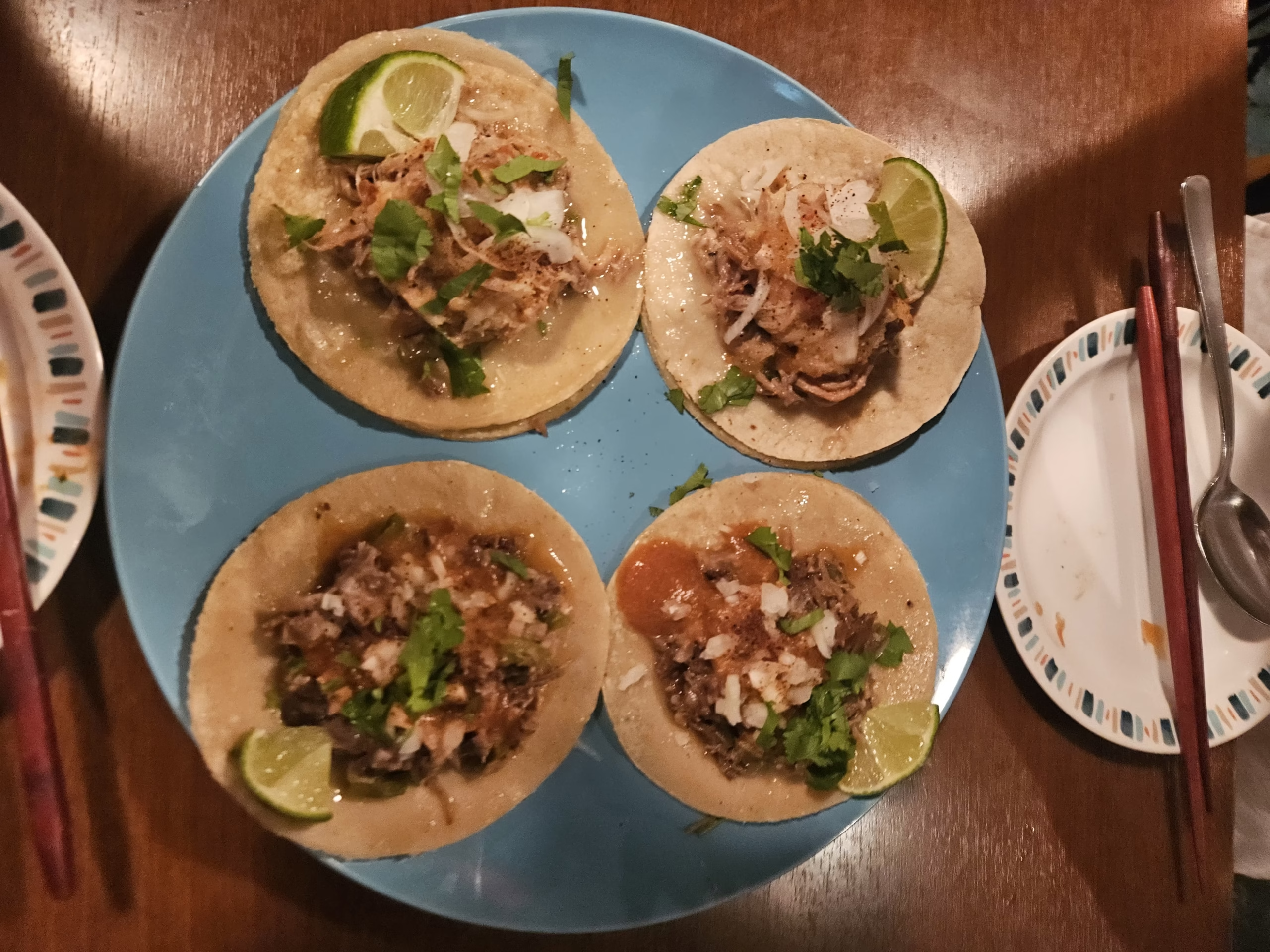
While most guides only mention Three Hermanos or Meat Brothers because they are near more “famous” stations, Rojo Amigo Kitchen is arguably the best Mexican spot in Tokyo—and it is definitely one of my personal favorites in the entire city. It’s authentic, cozy, and tucked away perfectly from the usual tourist traps.
The menu is packed with all the classics: tacos, burritos, and quesadillas that actually taste like the real deal. They also boast a huge tequila selection if you’re looking to explore beyond the basics. A quick “pro-tip” for visitors: it is a small, local business, so keep in mind there may be a minimum drink order per person. It’s a true local gem where the food and the atmosphere make you feel right at home.
Balitora / バリトラ
📍 3-chome-22-13 Koenji-kita
Home to what might be the best chicken wings in the world. They aren’t just delicious; they are incredibly easy to eat. The wings are grilled on sticks and the bones are removed so effortlessly that you don’t have to struggle at all. Great food, great alcohol, and a must-visit.
Sun-chan Shanghai Xiao Long Bao / 孫ちゃん上海焼き小籠包
📍 3-chome-22-12 Koenji-kita
Authentic Shanghai style and a personal favorite—we eat here at least once a week. Their specialty is the fried Xiao Long Bao (soup dumplings), but their La-Zi-Ji (spicy chicken) and Tantanmen are also top-tier. It feels like a real Chinese neighborhood spot.
Kaisen / 海鮮
📍 3-chome-22-12 Koenji-kita
My absolute favorite seafood izakaya in Koenji. The fresh oysters are the main event here. Because the quality is so high, they are often booked out or sold out of the best items, so I recommend coming early. My fiancée also loves their excellent wine selection.
Dapaidang 105 Koenji
📍 3-chome-22-12 Koenji-kita
This shop serves fantastic Taiwanese food and very cheap alcohol. The Tantanmen has a great kick to it, and their Xiao Long Bao is always juicy and flavorful. Great for a casual, high-energy dinner.
Daiichi Market / 大一市場

📍 3-chome-22-8 Koenji-kita
This is a hidden “food court” inside an old market building. Walk inside and explore! You’ll find Sardine Brothers, which makes an incredible fish-broth ramen, a Korean store with a huge variety of dishes, and a Vietnamese spot famous for its BBQ.
Bolbol Persian
📍 2-chome-2-1 Koenji-kita
A Persian restaurant that offers a completely different vibe. Every Saturday night, they have belly dance shows that turn the place into a party. You can also smoke hookah inside, making it a great spot to relax and try something different.
Rocky Kanai / ロッキーカナイ
📍 2-chome-11-1 Koenji-kita
One of my all-time favorite izakayas. They have a Che Guevara theme and a very “left-wing” Koenji spirit. The appetizer (otoushi) is actually kebab meat! Try the raw horse meat and the massive karaage (portions are huge). Pro tip: Get the Mega Highballs and make them extra strong. You can even keep a bottle here for your next visit.
Sabaidee Thai & Laos Cuisine Koenji
📍 1-chome-4-5 Koenji-kita
A fantastic and authentic Thai/Laos restaurant. It’s particularly good during lunchtime because it’s very cheap but doesn’t sacrifice any of the quality or heat.
Tachi Sushi Zokoch Koenji

📍 3-chome-22-12 Koenji-kita
Located right in the Shoutengai, this is a high-quality sushi spot that maintains a casual, welcoming atmosphere. Perfect for when you want great fish without the formal stress.
The layout is great—you can either stay outside for that street-side vibe, or you can go inside to one of the two counters on the B1 level or the 2nd floor. They have a massive selection of fresh fish and an English menu, making it easy to order. Keep an eye on the specials; sometimes they even have fugu (pufferfish) available, which is rare for a place this casual.
Baan Esan
📍 2-chome-22-1 Koenji-kita
Another great Thai restaurant on the shoutengai. It’s very authentic and perfect for a quick, flavorful meal in the heart of the north exit area.
69 Men / 69面

📍 2-chome-7-13 Koenji-kita
A fantastic ramen shop that specializes in chicken-based broth. It’s refined, clean, and has a great depth of flavor. If you want a break from heavy pork ramen, this is the place.
Hama Sushi (The Independent One)
📍 2-chome-4-6 Koenji-kita
Warning: This is not the cheap 100-yen chain! This is an independent, high-quality, and expensive sushi store. If you are looking for top-tier quality and a more refined dining experience, this is where you go.
Dachibin / だちびん
📍 3-chome-2-13 Koenji-kita
For authentic Okinawa-style food and vibes, this is the place. They serve classic Okinawan dishes and have a great selection of Awamori (Okinawan liquor).
Rental Space Cafe Gallery Kokoromi / こころみ
📍 2-chome-38-16 Koenji-kita
A hidden gem that looks like a private house with a garden from the outside. They serve Japanese-European fusion food that is very cheap for lunch. The interior is very cute, but be aware that you might have to share a table with others—a very local, “un-Japanese” social vibe.
Shoryubou / 昇龍坊

📍 3-chome-22-15 Koenji-kita
One of our all-time favorites. It’s Chinese-Japanese style food that is both cheap and excellent. I love the La-Zi-Ji and their Tantanmen. Try the century eggs! Note: They only accept cash.
Sichuan Malatang Koenji Hoshi Hoshi / 四川麻辣湯 高円寺星星倶楽部
📍 3-chome-22-12 Koenji-kita
This is the second malatang store in Koenji. It’s a bit cheaper because they have predefined sets, so the price won’t surprise you. The flavor is a bit weaker to accommodate Japanese palates, so I recommend ordering it at a spice level 3 or 4 to get the real experience.
Yang-chan Malatang / ヤンチャン麻辣湯
📍 2-chome-7-13 Koenji-kita
Owned by a famous influencer, this malatang spot is a bit pricier but very good. I highly recommend the Sichuan style broth, even if you are afraid of the heat—it’s much more authentic.
CRAZY×COENZY MAMMA ZIMA
📍 3-chome-22-12 Koenji-kita
A super good izakaya with a huge variety of food on the menu. It’s cheap, fun, and perfectly captures the eclectic spirit of Koenji.
Koenji Minami (South Exit / Higashi-Koenji Area)
Misoichi Koenji / 味噌一 高円寺店

📍 1-chome-10-3 Koenji-minami
One of the best ramen places I’ve ever visited. It’s near Higashi-Koenji and stays open until the early morning. Get the spicy miso ramen and add minced garlic. For just 20 yen (put it in the donation box), you can get an extra egg, bamboo shoots, or pickles. They also have free tea refills.
Milan Koenji / ミラン 高円寺店

📍 2-chome-1-1 Koenji-minami
I’ve had a lot of Indian food in Tokyo, and this is easily some of the best. The flavors are deep, the naan is fresh, and the staff is great. Most Indian food in Tokyo feels like an exact copy—almost like a chain where every place has the same menu and the same bland taste. This one is different; there is way more variety and a level of authenticity you don’t find in those “copy-paste” curry shops. If you’re living on the south side near Higashi-Koenji, this is the real deal.
Schichimencho / 七面鳥
📍 2-chome-21-4 Koenji-minami
Very cheap food that is a mix of Japanese and Chinese “town-style” cooking. It’s a bit far from the station and only operates for 1.5 hours during lunch and 1.5 hours in the evening, so check the time before you walk there!
Chuka Ryori Karyu / 中華料理 華龍
📍 1-chome-6-14 Koenji-minami
Good and cheap Chinese food located very close to Higashi-Koenji station. It’s a great neighborhood spot for a quick, filling meal.
Yoidore Ya Ichi / 酔いどれ屋 壱
📍 1-chome-6-15 Koenji-minami
Another great spot near Higashi-Koenji station. It has a nice local izakaya vibe and is perfect for a drink and some snacks after work.
🍺 Bars
Bar 39 (San-Kyu) / バーサンキュー
📍 3-chome-23-16 Koenji-kita
The name is a wordplay (3 = “San”, 9 = “Kyu” → Thank You). This bar was founded and is run by the Japanese rapper Mentos. The entire team are rappers, and they bring that energy to the service. Be prepared for a loud, high-action environment—it’s a bar where people shout, laugh, and have a wild time.
📅 Events
Koenji Awa Odori

📍 Streets around Koenji Station
The legendary dance festival, also known as Bon Odori held in late August. Thousands of dancers and musicians take over the streets. It is loud, crowded, and the most exciting weekend of the year in Suginami.
Koenji Street Performer Festival (Daidogei)
📍 Around Koenji Station
Usually held in spring, this festival turns the entire neighborhood into a circus. You’ll see magicians, acrobats, and performance artists on every street corner.
Koenji Comedy Festival
📍 Various theaters in Koenji
If you think Koenji only parties in the summer, you’re missing out. Every winter, the Koenji Comedy Festival (Engei Matsuri) turns the whole neighborhood into a massive stage.
What makes it special is how it takes over every corner of the town—you’ll find comedians performing in public baths, temples, and tiny izakayas.
The festival isn’t just hidden indoors. The Koenji Station North Exit Square serves as the outdoor hub, featuring live PR stages and street performers. It’s the perfect place to catch free previews and feel the community energy. You can even find performances on the grounds of local shrines and temples, giving the comedy a unique, traditional “matsuri” vibe.
If you are in Koenji, I recommend you also to check out Ogikubo and Asagaya which also have their unique Suginami style.
Author

Get My Personal Travel Maps
Keep Reading: More Articles You’ll Love
 Kawagoe Travel Guide: A Complete Day Trip into Japan’s “Little Edo”
  Living in Tokyo vs Zurich – The Ultimate Expat Guide
  Koenji Street Performer Festival 2025: Chinese Acrobats, Cosplay, and Hidden Gems in Tokyo
  Is Japanese Food Actually Chinese? The Surprising Origins of Japanese Cuisine
  Kabukicho Tokyo: The Ultimate Insider Guide to Shinjuku’s Wildest District
  Halloween in Tokyo: From Shibuya to Shinjuku and Beyond
  Christmas in Roppongi: Winter Illuminations, Market & Tokyo Tower Views


Leave a Reply