Should you tip in Japan? No. Tipping is not part of Japanese culture, and in restaurants, taxis, hotels and bars you simply pay the price on the bill. Leaving extra money on the table can cause confusion, and staff will often run after you to return it.
That does not mean there are no exceptions. Some ryokan, private guides and Western-style places handle it differently, and there are a few charges on bills that surprise first-time visitors. During my three years living in Tokyo, the simplest rule was this: say thank you, pay what is asked, and save the tip. Here is everything you need to know.

Why Tipping Is Not Common in Japan
In Japan, good service is seen as part of the job, not something extra you pay for. Staff take pride in doing their work well, and the price you pay already includes that service. A tip can feel like you are suggesting the person needs charity, or that their normal service was not good enough.
There is also a practical reason. Many shops and restaurants have strict cash handling, and an unexplained extra amount creates a problem at the end of the day. That is why a waiter may chase you down the street with your change.
The best way to show appreciation is with words. A clear “gochisousama deshita” (thank you for the meal) when leaving a restaurant, or “arigatou gozaimasu” to anyone who helped you, means much more than a coin on the table. For more on everyday manners, see my Japan etiquette guide for tourists.
We never tip in Japan. I have seen tourists leave money behind, and the staff ran outside after them to give it back. So if you try, expect the same.
Tipping by Situation: Quick Overview
| Situation | Tip? | What to do instead |
|---|---|---|
| Restaurants, cafes, izakaya | No | Pay at the register, say “gochisousama deshita” |
| Bars | No | Expect a possible cover or table charge |
| Taxis | No | Pay the meter, keep the change |
| Hotels and hotel porters | No | A polite thank you is enough |
| Hairdressers and spas | No | Pay the listed price |
| Traditional ryokan | Optional | A small envelope (kokorozuke) for special care is possible, never expected |
| Private tour guides | Sometimes | Check the tour company policy, a small gift is also welcome |
| Delivery and movers | No | A cold drink on a hot day is a kind gesture |

Restaurants, Izakaya and Bars
In most restaurants you take the bill to the register near the exit and pay there. You do not leave money on the table. At smaller places you might pay the person behind the counter directly.
What can look like a tip on the bill is usually one of these charges:
- Otoshi or tsukidashi: a small appetiser served automatically at many izakaya. It works as a seating charge, often about 300 to 600 yen per person. You cannot usually refuse it, and it is not a scam.
- Table or cover charge: common in bars, especially in nightlife areas. Ask before you sit down if you are unsure.
- Service charge: some hotel restaurants and upscale places add about 10 to 15 percent to the bill. This is already included, so you do not add more.
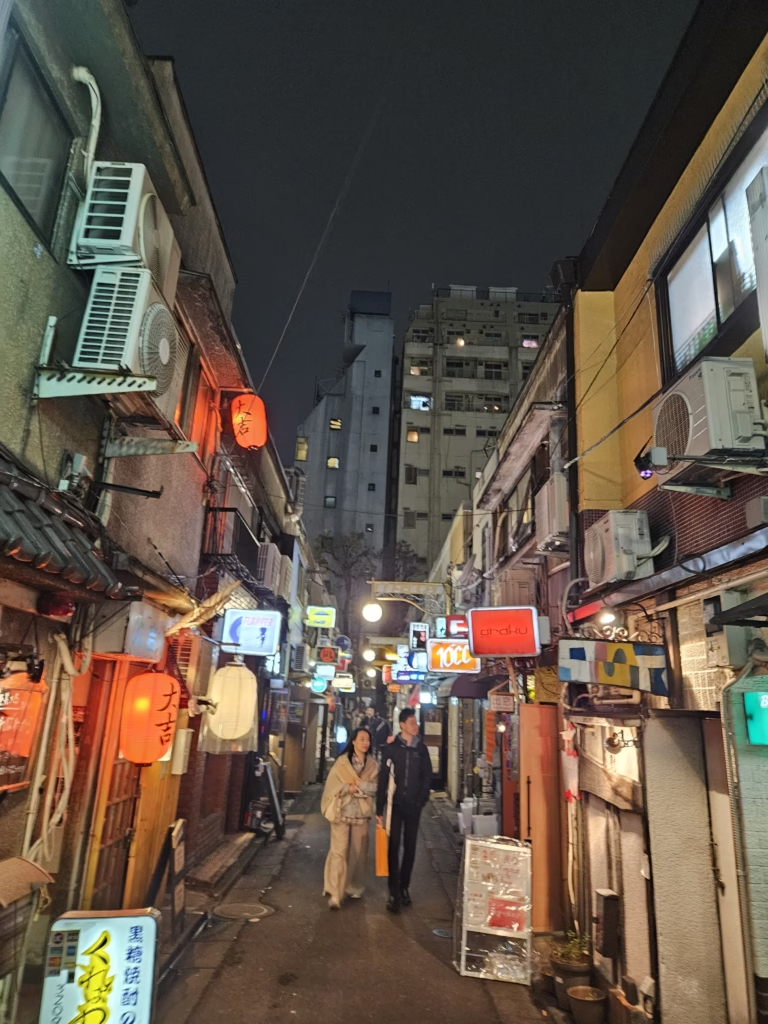
If you are visiting smaller bars in areas like Golden Gai, cover charges are part of the experience. My Golden Gai guide explains how they work.
In my experience the otoshi was usually around 500 yen per person, and many people simply call it a table fee. Think of it as the price of your seat plus a small first dish.
Taxis and Transport
Taxi drivers in Japan do not expect tips. Pay the amount on the meter, and if you pay cash, wait for your change. Most taxis in big cities also accept credit cards and IC cards. Train staff, bus drivers and station attendants should never be tipped.
Hotels and Ryokan
At hotels, you do not tip the porter, the cleaner or the concierge. Leaving coins in the room may be treated as forgotten property and handed in to lost and found.
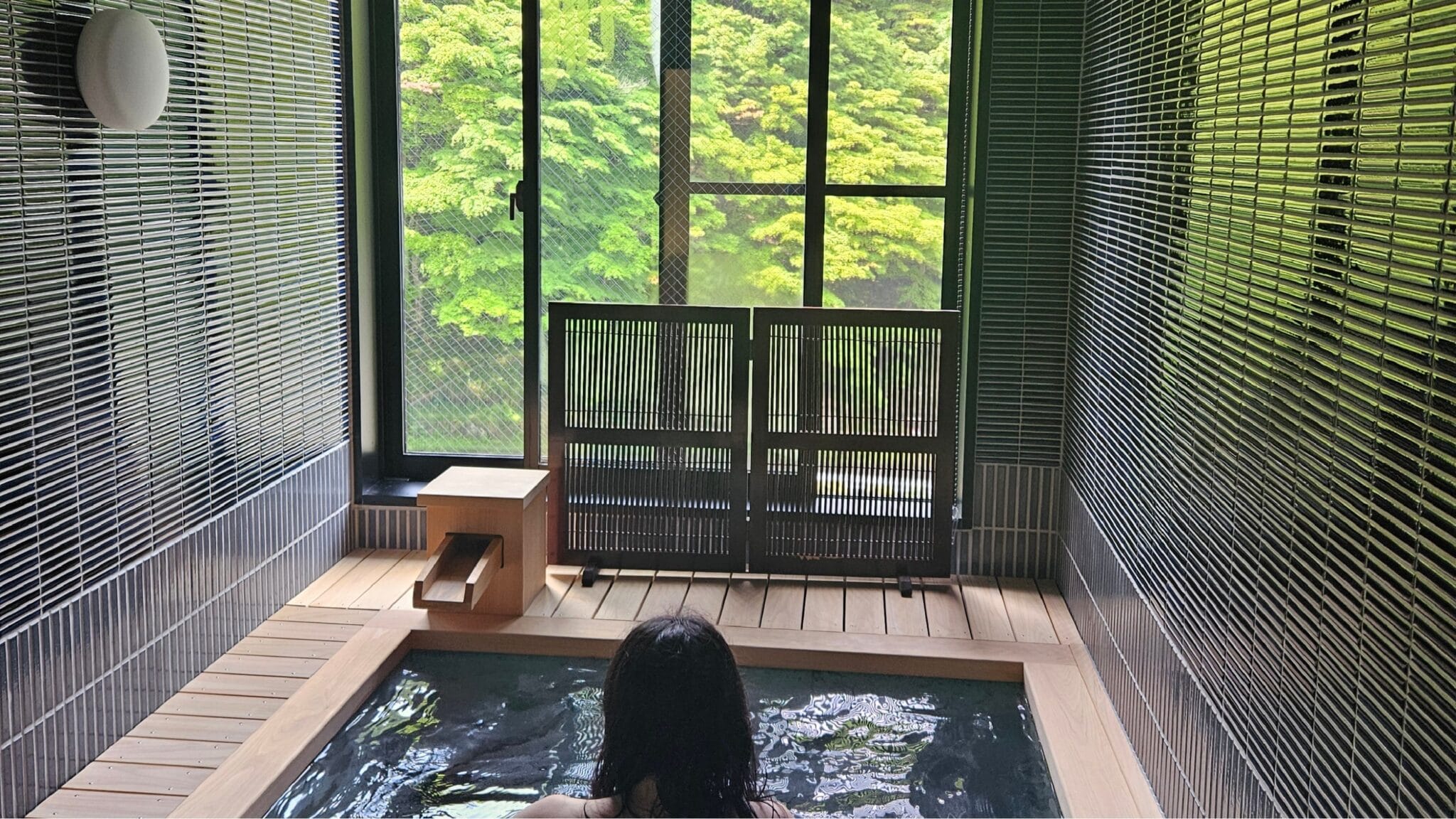
Traditional ryokan are the one place where a small gesture has a history. Some guests give a “kokorozuke”, a small amount of money in a plain envelope, to the room attendant (nakai-san) who serves dinner and lays out the futon. Today this is rare and completely optional. If you do it, put the money in an envelope rather than handing over loose notes, and give it at the start of your stay. Most travellers skip it, and that is perfectly fine. Learn more about what to expect in my onsen ryokan guide.
Tour Guides and Special Services
Private guides who work mostly with foreign visitors are more used to tips, and some tour companies say tipping is welcome but optional. Group bus tours run by Japanese companies usually do not expect anything. If you want to thank a guide, a small gift from your home country is a lovely alternative, and in Japan gift giving is very much part of the culture.
During my time at Waseda I brought small gifts from Switzerland for my computer science lab. In Japan this kind of gift (omiyage) is a much better way to say thank you than money.
How to Show Appreciation Without Tipping
- Say “arigatou gozaimasu” and “gochisousama deshita” with a smile and a small bow.
- Bring a small souvenir from home for a host, guide or friend.
- Leave a positive online review for a restaurant, guesthouse or guide.
- Follow the house rules, return trays at fast food places and keep your table tidy.
- Pay with exact change or a card to make it easy for staff.
Learning a few basic phrases goes a long way. Japan is still partly a cash country, so it also helps to read my guide to cash, cards and ATMs in Japan before you go.

When Tipping Can Be Acceptable
There are a few grey areas. Some international hotels, foreign-owned bars and restaurants aimed at tourists have tip jars, especially in places like Roppongi. If there is a tip jar, you can use it. If not, do not try to force a tip on anyone. When in doubt, a simple question like “Is tipping OK here?” is better than an awkward moment.
Frequently Asked Questions
Is it rude to tip in Japan?
It is not seen as a serious insult, but it can make people uncomfortable and confused. Most staff will politely refuse, so it is better not to try.
Is it true that you don’t tip in Japan?
Yes. In everyday situations like restaurants, taxis, hotels and bars, tipping is not expected. The price on the bill is the full price.
Should I tip my tour guide in Japan?
It depends on the guide. Private guides who work with international travellers may accept tips, and some tour companies mention it. Japanese group tours usually do not expect them. A thank-you gift is always a safe alternative.
Do you tip at a ryokan?
It is not required. Some guests give a small kokorozuke in an envelope to the room attendant, but this is optional and becoming rare.
What is the otoshi charge in Japan?
It is a small dish served automatically at many izakaya that doubles as a seating charge. It is normal and not a tip.
Do you tip taxi drivers in Japan?
No. Pay the meter and take your change. Drivers do not expect anything extra.
How much money should I budget for tips in Japan?
Basically nothing. Use that money for an extra meal instead. My Japan trip cost guide shows what a realistic daily budget looks like.
Not tipping is one of the small pleasures of travelling in Japan. You pay what is on the bill and focus on enjoying the food. If you want to know what to order next, start with my Japanese food guide.
Author

Get My Personal Travel Maps




Leave a Reply