
Is South Korea worth visiting in winter? Yes, as long as you pack properly. From December to February, Korea is cold and dry, with clear blue skies, snowy mountains, ski resorts, ice fishing festivals and steaming street food on every corner. Flights and hotels are often cheaper than in spring and autumn, and the big sights in Seoul are less crowded.
I lived in Sinchon for eight months in 2020 while studying at Ewha University, and I still return to Seoul every year. This guide covers winter weather by region, the best things to do, the food that keeps you warm, and practical tips for a cold-weather trip.
Korea Winter Weather by Region
Korean winters are shaped by cold, dry winds from Siberia. The north and the mountains are much colder than the south coast. These are typical ranges, not forecasts:
| Region | Typical winter feel | Snow? |
|---|---|---|
| Seoul | Often about minus 10 to plus 5°C, wind chill makes it feel colder | Some snow, usually light |
| Gangwon (Sokcho, Pyeongchang) | Very cold, especially in the mountains | The snowiest region, ski season |
| Busan | Milder, often about 0 to 10°C | Rare |
| Jeju Island | The mildest, but windy | Snow on Hallasan mountain, rarely on the coast |
January is usually the coldest month. Most days are sunny and dry, so the cold is more manageable than the numbers suggest, but cold snaps can push Seoul well below minus 10°C. For a season-by-season overview, read my guide to the best time to visit South Korea.
When I arrived in Seoul to start my studies at Ewha University, it was winter, and it was colder than I had expected. There was no snow, though. That is typical for Seoul: the cold is the main thing to prepare for, while snow in the city is light and not guaranteed.
Best Things to Do in Korea in Winter
Explore Seoul’s palaces and markets
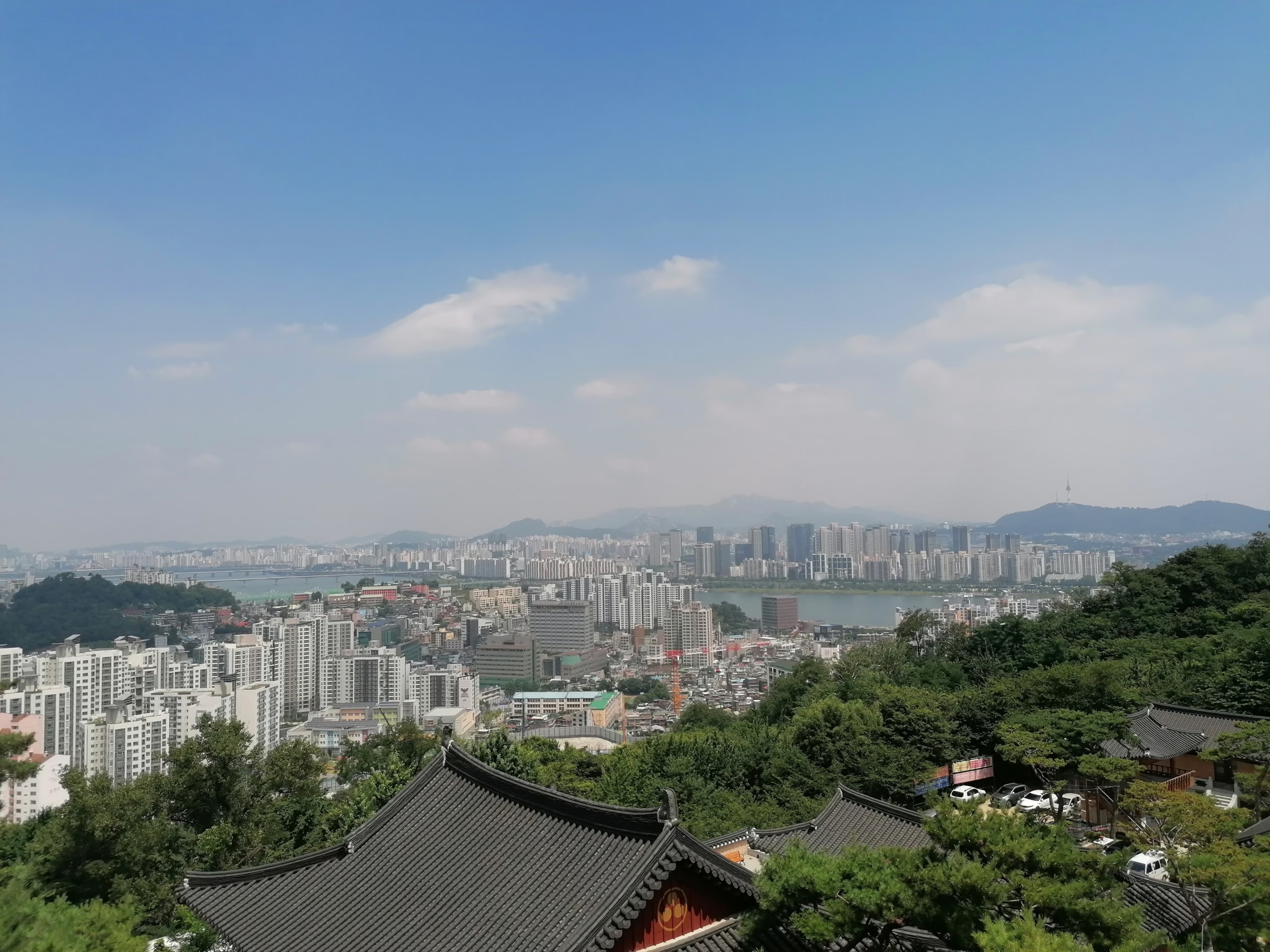
Gyeongbokgung and Changdeokgung look beautiful with a dusting of snow, and the cold keeps tour groups shorter. Warm up afterwards in a traditional market with hot snacks, or in one of Seoul’s many cafes. My Seoul itinerary is easy to adapt for winter, with plenty of indoor stops like museums, shopping malls and underground shopping arcades.
Go skiing or snowboarding
Korea hosted the 2018 Winter Olympics in Pyeongchang, and the Gangwon region has several large ski resorts. Many can be reached by shuttle bus from Seoul, which makes a ski day trip possible. Resorts usually rent everything, including clothing.
I never went skiing in Korea myself, so here is an overview of the main options. The season usually runs from early December to March, and most of the snow on the slopes is machine made, since Korea gets far less natural snow than Japan.
- Yongpyong Resort (Pyeongchang): one of the largest and oldest ski resorts in Korea, and the venue of the slalom and giant slalom races at the 2018 Olympics.
- Alpensia (Pyeongchang): home of the 2018 ski jumping hills, with smaller slopes that suit beginners.
- Phoenix Pyeongchang: hosted all freestyle skiing and most of the snowboard events in 2018.
- High1 Resort (Jeongseon): a big resort high in the mountains of Gangwon.
- Vivaldi Park (Hongcheon): one of the most popular resorts for a day trip from Seoul.
- Elysian Gangchon (Chuncheon): a popular choice near Chuncheon, north east of Seoul.
- Jisan Forest Resort (Icheon): one of the closest resorts to Seoul, good for a short trip.
Go on a weekday if you can, as weekends and school holidays get busy. Shuttle buses from Seoul, ski packages with transport and rental, and full equipment hire on site make a trip possible even without your own gear.
See snowy mountains in Seoraksan
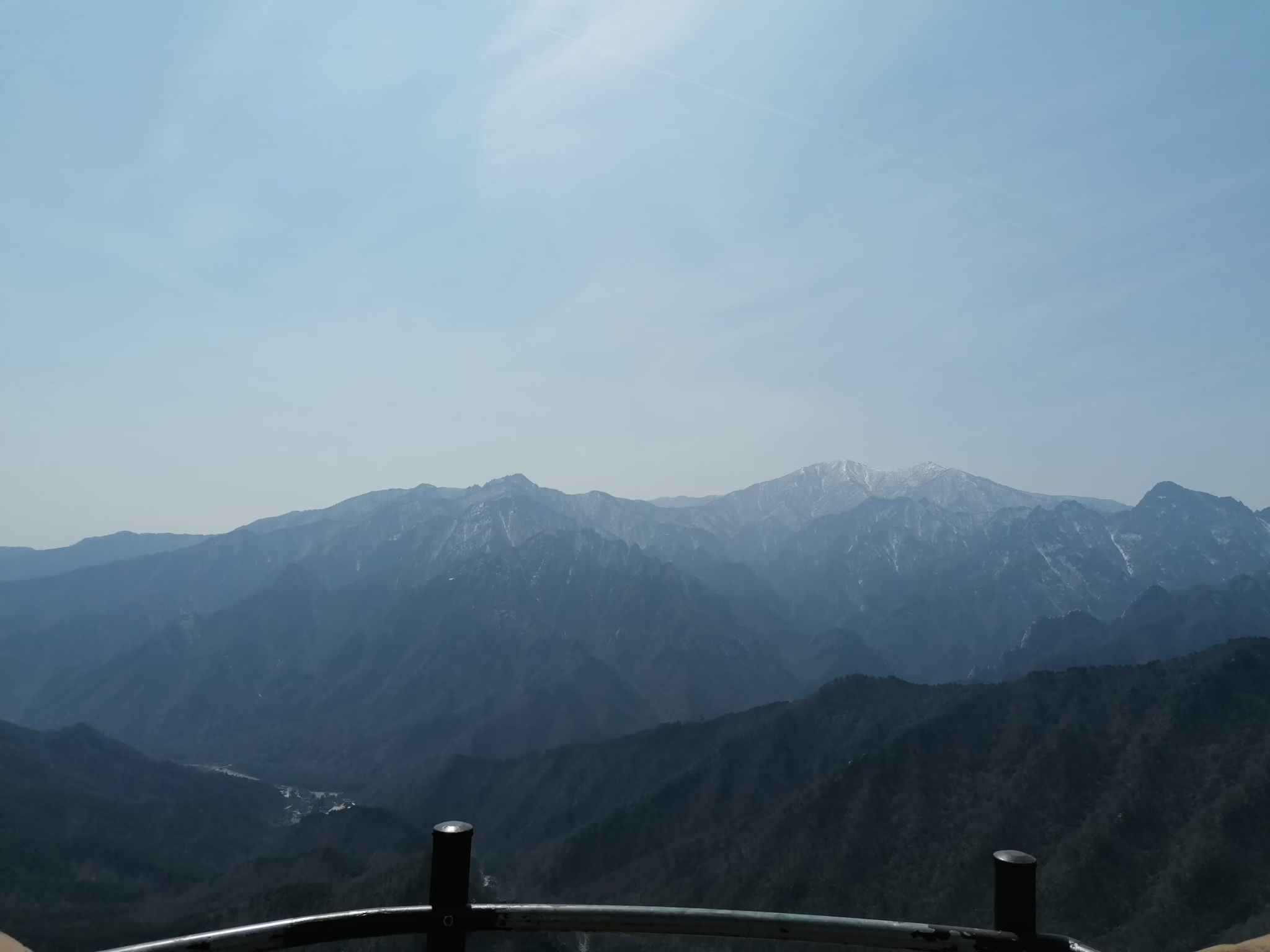
Seoraksan National Park near Sokcho is stunning in winter, with snow on granite peaks and a cable car for views without a long hike. Some trails close or require crampons in snow. See my Sokcho and Seoraksan guide for planning tips.

Watch the New Year sunrise
Watching the first sunrise of the year is a popular Korean tradition. The east coast is the best place for it, and Jeongdongjin is one of the most famous spots. Read more in my Jeongdongjin travel guide.
Join a winter festival
- Ice fishing festivals: in January, frozen rivers in Gangwon host festivals where you can fish through holes in the ice, often grilling your catch on the spot. The Hwacheon Sancheoneo Ice Festival is the best-known.
- Winter light festivals: Seoul and other cities set up illuminations and light displays from December into the new year.
- Ice skating: outdoor rinks often open in winter, for example in central Seoul.
Festival dates depend on the ice, so check close to your trip.

Christmas, New Year and Seollal in Korea
Christmas in Korea is a public holiday, but it is more of a couples’ date night than a family event. Department stores and streets like Myeongdong are decorated with lights, and cafes sell Christmas cakes.
Seollal (Lunar New Year) is the biggest family holiday of the year and falls in early February in 2027. Many Koreans travel to their hometowns, so trains and buses sell out, and some small shops and restaurants close for a few days. Palaces and big attractions usually stay open, and some offer traditional games. If your dates overlap with Seollal, book transport early.
Winter Food in Korea
Winter is the best season for Korean comfort food. Look out for:
- Roasted chestnuts and sweet potatoes: sold from street carts in winter. Roasted chestnuts were my favourite street snack in Seoul.
- Bungeoppang: fish-shaped pastries filled with sweet red bean paste.
- Hotteok: sweet fried pancakes, a classic winter street snack.
- Eomuk: fish cake skewers in hot broth, often from tents near subway stations.
- Jjigae and hot pots: sundubu (soft tofu stew), kimchi jjigae and budae jjigae.
- Korean BBQ: grilling at the table is perfect on a freezing evening.
- Mala xiang guo: not Korean, but this Chinese spicy stir-fry is hugely popular in Seoul. When I lived there it was my go-to meal at least once a week.
For more dishes, see my Korean food guide.
My own favourites in winter are Korean BBQ and a bubbling jjigae. We also had bingsu, the shaved ice dessert, but that is really a summer dish. What winter does have is strawberry season: Korean strawberries are at their best from around December into spring, and cafés put them on cakes, bingsu and all kinds of desserts.
What to Pack for Korea in Winter
- A long padded coat. Many Koreans wear knee-length down jackets in winter, and for good reason.
- Thermal underwear, gloves, a warm hat and a scarf
- Warm, waterproof shoes with good grip for icy pavements
- Moisturiser and lip balm, as the air is very dry
- Heat packs, which you can buy cheaply at any convenience store
Indoors, Korean buildings are well heated, often with ondol underfloor heating, so layers you can take off are best.
Practical Tips for a Winter Trip
- Days are short: it gets dark around 5:30 pm in Seoul in midwinter, so start sightseeing early.
- Use the subway: it is warm, fast and connects to underground shopping arcades. A T-money card works on subways and buses nationwide.
- Check fine dust: some winter days have poor air quality. Locals check apps and wear masks on bad days.
- Head south for milder weather: Busan and Jeju are good if you want winter sightseeing without the deep freeze. Jeju is also in tangerine season in winter, and you will see fresh citrus sold everywhere on the island.
- Warm up indoors: a jjimjilbang (Korean bathhouse and sauna) is the local way to escape the cold. You can soak, relax in heated rooms and snack on baked eggs and sikhye, a sweet rice drink.
- Get your travel paperwork ready: check whether you need a K-ETA or other entry registration before you fly, as rules change from time to time.
Frequently Asked Questions
Is winter a good time to visit Korea?
Yes, if you do not mind the cold. You get clear skies, snow activities, festive lights, great food and often lower prices.
Does it snow in Seoul?
Yes, but usually lightly and not every week. For heavy snow, head to Gangwon province.
How cold is Korea in January?
January is the coldest month. Seoul is often below freezing all day, and cold snaps can drop well below minus 10°C. Busan and Jeju are milder.
Where is the best place to see snow in Korea?
The Gangwon region, including Seoraksan, Pyeongchang and the ski resorts, gets the most reliable snow.
Is Korea cheaper in winter?
Often yes, especially in January and February outside of Seollal. Spring and autumn are the peak seasons.
What should I wear in Seoul in winter?
A warm, long down coat, thermal layers, gloves, a hat and waterproof shoes. Wind makes the cold feel much stronger.
Korea in winter is cold, cosy and delicious. For more on where to start, read my Seoul insider guide. Going on to Japan? Here is what to do in Tokyo in winter.
Author

Get My Personal Travel Maps




Leave a Reply